When most people picture Hawaii, they picture Waikiki — that golden curve of sand on Oahu's south shore with Diamond Head rising in the distance and surfers bobbing on gentle waves. But here's what surprises most first-timers: "Waikiki Beach" isn't one beach at all. It's a two-mile stretch made up of several distinct sections, each with its own personality, crowd, and ideal use. Pick the right one and your beach day goes from good to unforgettable.
Whether you're chasing your first wave, hunting a quiet patch of sand, or just want calm water for the kids, this guide breaks down the best beaches in Waikiki section by section — so you spend less time wandering and more time in the water.
This is your honest, no-fluff rundown of the eight best beaches in Waikiki, what each one is genuinely best for, and the practical details that make or break a day at the shore.
Waikiki Beaches at a Glance
| Beach | Best For | Vibe |
|---|---|---|
| Duke Kahanamoku Beach | Families with small kids | Calm lagoon, wide sand |
| Fort DeRussy Beach | Space, shade, relaxing | Grassy park, less crowded |
| Gray's Beach | Quiet wading & views | Narrow, peaceful |
| Royal Hawaiian Beach | The classic Waikiki day | Lively, iconic, central |
| Kahaloa & Ulukou | Beginner surfing | Busiest, people-watching |
| Kuhio Beach | Safe, easy swimming | Protected, family-friendly |
| Queen's Surf Beach | Laid-back & local | Relaxed, near the park |
| Kaimana Beach | Escaping the crowds | Local favorite, sandy |
Good news for every budget: all of these beaches are free and open to the public. There's no entry fee anywhere — you only pay for extras like parking, rentals, or food.
First, a Quick Explainer: Why Waikiki Is "Many Beaches in One"
Waikiki runs roughly two miles along Honolulu's south shore, from the Hilton Hawaiian Village at the western end to Kaimana Beach near Diamond Head in the east. Locals know the stretch by its individual sections, and the water, sand width, and crowd levels change noticeably as you move along it.
A few sections are connected by sand you can simply walk along; others are linked by short seawall paths or sidewalks when the beach narrows in front of certain hotels. Knowing which section you're aiming for saves you the rookie mistake of plopping down on the most crowded patch when a calmer one sits five minutes away.
Here's the full breakdown, moving roughly from west to east.
1. Duke Kahanamoku Beach — Best for Families With Young Kids

Sitting at the western end of Waikiki in front of the Hilton Hawaiian Village, Duke Kahanamoku Beach is named after Hawaii's legendary waterman and surfing pioneer. It boasts one of the widest stretches of sand in Waikiki and a protected, man-made lagoon that's calm enough for toddlers to splash in safely.
An offshore reef tames the waves here, so swimming is gentle and predictable. It's also a prime sunset-and-fireworks spot — the area is known for a weekly Friday-night fireworks show over the water.
Good to know: It's popular and can get busy, especially the lagoon.
Insider tip: Arrive early to claim shade and a good patch of sand, and use the nearby boat-harbor parking, which tends to be easier than hunting along the main strip.
2. Fort DeRussy Beach — Best for Space and Shade
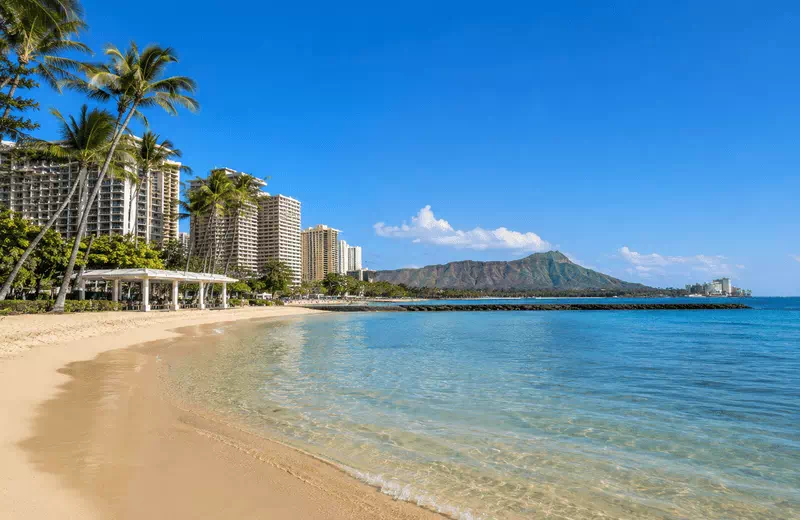
If crowded, hotel-lined sand isn't your thing, Fort DeRussy is a breath of fresh air. Backed by a large grassy park with palm trees, picnic tables, and volleyball courts, this military-managed stretch gives you somewhere to escape the sun without leaving the beach.
The water is calm and good for floating and relaxing, though you'll want to watch for rocks and reef in the shallows. Because a park sits behind it rather than a wall of hotels, it generally feels more open and less hectic than the central sections.
Insider tip: Bring a picnic and stake out a shady spot on the grass — it's one of the few places in Waikiki where you can get a real break from the heat.
3. Gray's Beach — Best for a Quiet Wade (With a Catch)
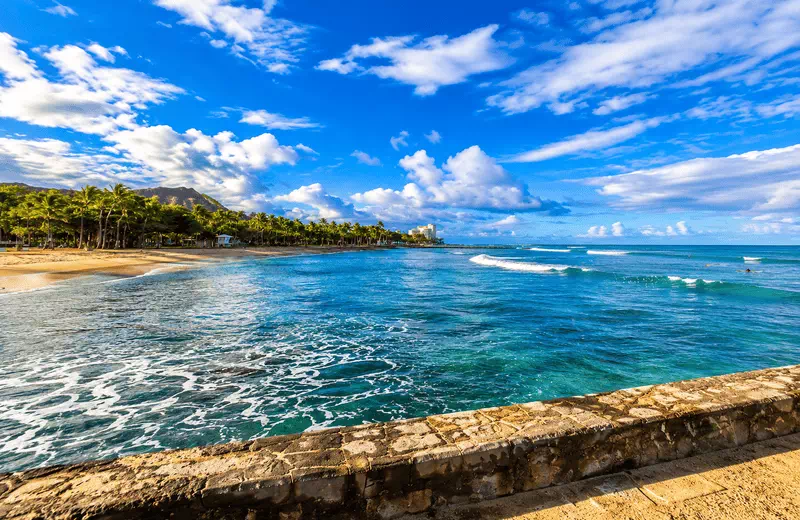
Tucked in front of the Halekulani hotel area, Gray's Beach is one of Waikiki's calmest, quietest pockets — but it comes with an honest caveat. Erosion has narrowed this section significantly, and at high tide there's sometimes very little dry sand to sit on.
That said, the shallow, gentle water makes it a lovely spot for a peaceful swim or stand-up paddle away from the crowds, with classic Diamond Head views.
Insider tip: Check the tide before you commit to a full beach day here — visit at lower tide for the most usable sand, or treat it as a quick swim stop rather than a base.
4. Royal Hawaiian Beach — Best for the Classic Waikiki Experience
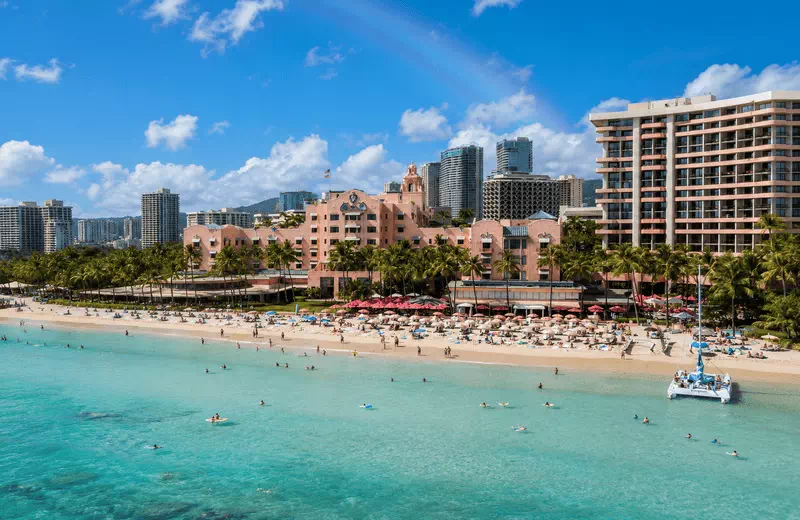
This is the postcard. Fronting the iconic pink Royal Hawaiian Hotel and the historic Moana Surfrider, Royal Hawaiian Beach (also called Royal Moana Beach) is the lively, central heart of Waikiki. If you want the full bustling beach scene — surf lessons, catamaran cruises pulling up to the sand, live music drifting from beachfront bars, and people from all over the world — this is it.
The waves are gentle and beginner-friendly, and rental stands for boards, umbrellas, and chairs are everywhere.
Insider tip: A sunset catamaran sail launching right off this beach is one of the most popular ways to cap a Waikiki day — book ahead in peak season.
5. Kahaloa & Ulukou Beaches — Best for Beginner Surfers
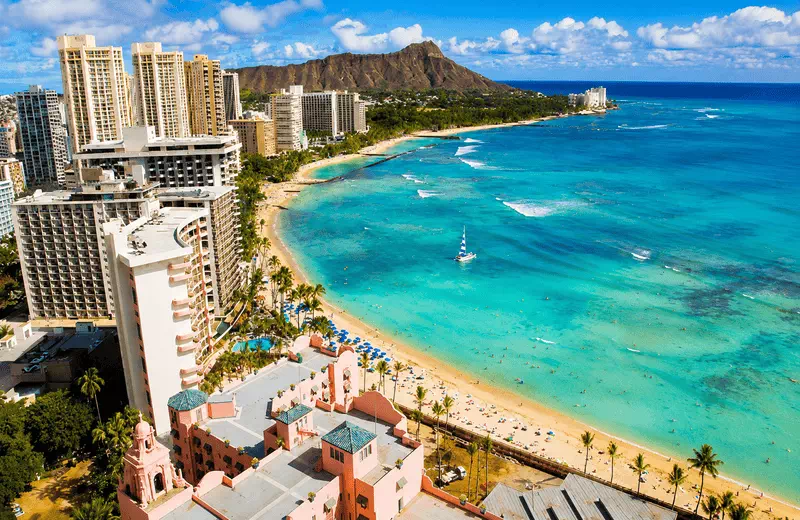
The narrow, busy stretch of sand between the Royal Hawaiian and Moana Surfrider is Waikiki's epicenter for first-time surfers and people-watchers alike. Just offshore sit Waikiki's most famous beginner surf breaks — Queens and Canoes — where small, long-rolling waves are practically made for learning.
The bottom is shallow with a gradual slope, which is part of the appeal, though the same popularity means you'll be sharing the water with plenty of other beginners (and the occasional catamaran).
Insider tip: Take a morning surf lesson here when the water is calmer and less crowded, and the famous Diamond Head backdrop is at its best for photos.
6. Kuhio Beach — Best for Safe, Easy Swimming
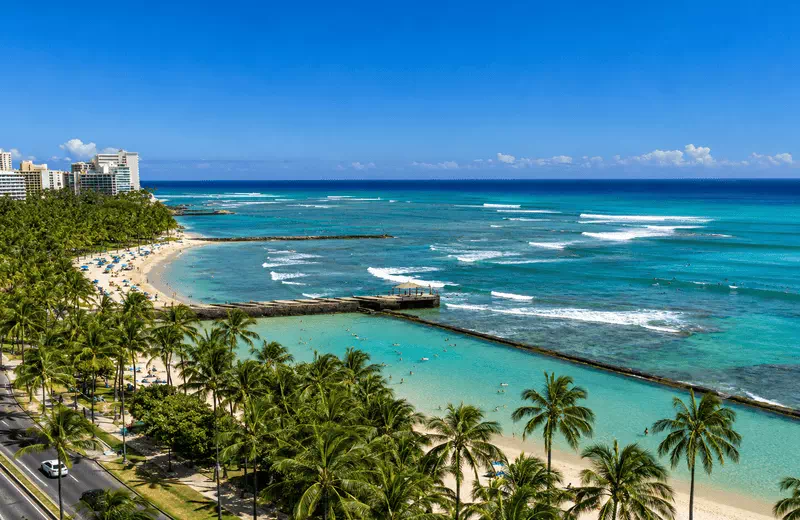
Marked by the famous bronze Duke Kahanamoku statue, Kuhio Beach (nicknamed "The Ponds") is protected by a seawall that blocks incoming waves, turning the water into a calm, pond-like pool. That makes it one of the safest, most beginner-friendly places to swim in Waikiki — ideal for families and anyone who wants to float without battling surf.
You'll find surfboard rentals, easy access to shops and food, and free hula shows and live music that sometimes take place near the statue in the evenings.
Insider tip: The Duke statue is one of Waikiki's most photographed spots, so come at sunrise for a crowd-free photo.
7. Queen's Surf Beach — Best for a Laid-Back, Local Feel
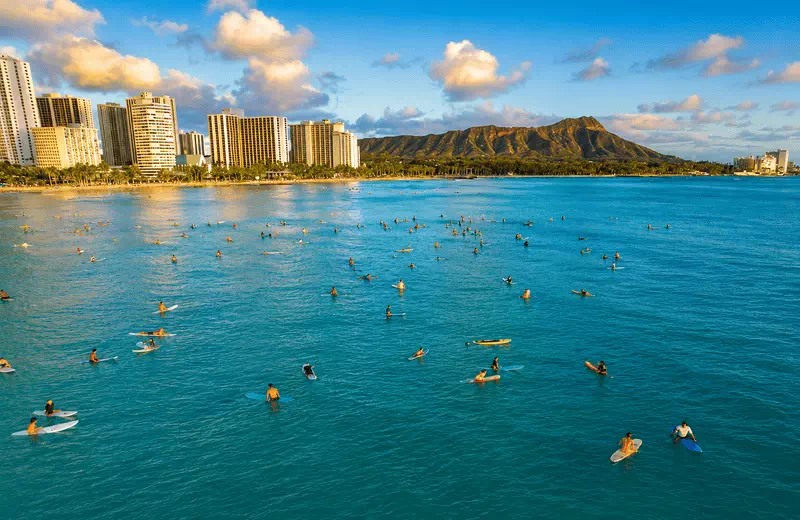
Toward the Diamond Head end, near the Honolulu Zoo and Waikiki Aquarium, Queen's Surf Beach (also called Queen's Surf or Kapiolani Beach) trades the central hustle for a more relaxed, welcoming vibe. It's a favorite for bodyboarding, beach volleyball, and easygoing afternoons, and it backs onto the wide green space of Kapiolani Park.
The beach occasionally hosts community events and gatherings, and its location next to the park makes it easy to find shade and a place to rest.
Insider tip: Pair a swim here with a stroll through Kapiolani Park or a stop at the aquarium — it's a great low-key half-day combo.
8. Kaimana Beach (Sans Souci) — Best for Escaping the Crowds
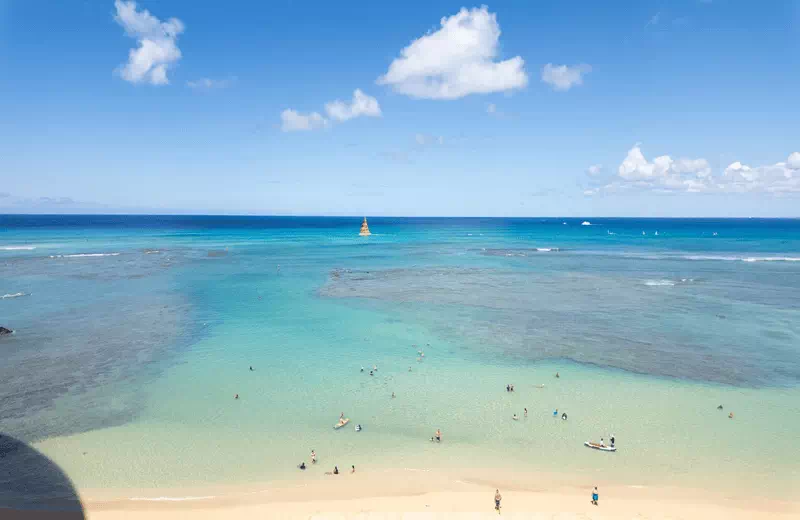
At the far eastern edge of Waikiki, beside the Waikiki Aquarium and Kapiolani Park, Kaimana Beach (also known as Sans Souci) is widely considered the least crowded section of the whole stretch. It's sandy, calm, and a genuine local favorite — the kind of place where you can actually hear the waves instead of the crowd.
The sandy bottom and gentle water make it good for swimming and easy snorkeling, and you're a comfortable distance from the busiest shopping-and-dining core. If this laid-back stretch is your style, Hawaii has another quiet, sandy escape worth bookmarking for a future island trip.
Insider tip: Come on a weekday for the quietest experience, and pack what you need — this end has fewer vendors than central Waikiki.
Best Time to Visit Waikiki
Waikiki is genuinely a year-round destination — ocean temperatures stay swimmable and air temperatures usually sit in the mid-70s to mid-80s Fahrenheit no matter the season. But timing still affects crowds, prices, and water conditions.
- Shoulder seasons (roughly mid-April to early June, and September to mid-December) are the sweet spot: fewer crowds, better hotel and flight deals, and reliably pleasant weather.
- Summer (around June to August) brings the calmest south-shore swimming and the sunniest stretches, but also the biggest crowds and higher prices, especially with families traveling.
- Winter holidays and January to March get busy with visitors escaping the cold and whale-watching season, so book early and expect a livelier scene.
Whatever the season, the single best daily tip is to go early. Waikiki Beach can feel surprisingly serene just after sunrise, parking is far easier, and you'll have your spot staked out before the crowds arrive. Late afternoon, as day-trippers leave, is another quiet window.
Because conditions and events shift, it's worth checking current weather and ocean-safety information close to your trip.
How to Get to Waikiki
Waikiki sits just a few miles from Daniel K. Inouye International Airport (HNL) in Honolulu — typically a 20 to 40 minute drive depending on traffic.
- Rideshare and taxis are the most straightforward door-to-door option from the airport.
- Airport shuttles are a budget-friendly alternative, though they make multiple stops.
- TheBus, Oahu's public transit system, is the cheapest way to get around but less convenient with luggage.
- Rental cars give you freedom to explore the rest of Oahu, but note that Waikiki parking is scarce and pricey, so many visitors skip a car if they're staying mostly in the area.
Once you're in Waikiki, the beaches are extremely walkable — most sections are a short stroll from the main hotels and Kalakaua Avenue.
Beach Day Tips for Waikiki
A few practical things will keep your day smooth and safe:
- Use reef-safe sunscreen. Hawaii law restricts sunscreens containing certain reef-harming chemicals (like oxybenzone and octinoxate). Choose a mineral, reef-safe formula — it's better for the coral and required by law. Confirm current rules before you pack.
- Respect the ocean. Conditions change. Watch for posted flags and signs, swim near lifeguarded sections where possible, and never turn your back on the waves.
- Protect the wildlife. If you spot a Hawaiian green sea turtle or monk seal, keep a respectful distance — getting too close is harmful and discouraged.
- Guard your valuables. Don't leave phones, wallets, or keys unattended on the sand. Bring only what you need.
- Plan around parking. It's limited and expensive near the beach. Arrive early, consider a hotel that includes parking, or skip the car altogether for beach days.
- Pack light but smart. Water, a hat, a rash guard for sun protection, and water shoes for rocky or reefy sections go a long way.
Where to Stay and Eat Near the Beach
Waikiki has lodging for every budget — from hostels and value hotels a block or two back from the sand, to mid-range beachfront properties, to landmark luxury resorts like the Royal Hawaiian and Moana Surfrider right on the water. Staying within Waikiki means you can walk to the beach whenever you like, which is a big part of the area's appeal.
For food, you're spoiled for choice: fresh poke bowls, plate lunches, shave ice, and Hawaiian-style barbecue sit alongside upscale beachfront dining. Look for local specialties like poke, loco moco, and fresh fish, and don't skip a sunset meal or drink at one of the oceanfront spots — it's a Waikiki rite of passage.
Final Word
The secret to a perfect beach day in Waikiki isn't finding the "best" beach — it's finding the right one for you. Want calm water and easy swimming? Stick to the protected sections like Kuhio and Duke Kahanamoku. Craving the buzz of classic Waikiki? Plant your towel at Royal Hawaiian. Need a little peace and quiet? Make the short trip to Kaimana.
They're all free, all walkable, and all framed by that unmistakable Diamond Head view. Pick your stretch of sand, get there early, and let the day unfold. And once you've fallen for Oahu, it's worth taking time to explore beyond Oahu and discover more of Hawaii's beaches across the islands.