Top 5 National Parks in Himachal Pradesh: Wildlife, Landscapes & Travel Guide
Himachal Pradesh does not do things quietly. The terrain shifts from Shivalik foothills thick with sal forest to cold desert valleys where the air feels borrowed, and somewhere in between, five national parks hold ground for animals and ecosystems that exist nowhere else in quite the same way.
From a UNESCO World Heritage Site in Kullu to a forgotten Shivalik sanctuary on the Haryana border — this guide covers every national park in Himachal Pradesh with facts, wildlife, and what you actually need to know before going.
| National Park | District | Area | Established | Key Wildlife |
|---|---|---|---|---|
| Great Himalayan National Park | Kullu | 1,171 sq km | 1984 | Snow leopard, western tragopan, musk deer |
| Pin Valley National Park | Lahaul & Spiti | 675 sq km (core) | 1987 | Snow leopard, Himalayan ibex, bharal |
| Khirganga National Park | Kullu | 710 sq km | 2010 | Himalayan brown bear, snow leopard, tahr |
| Inderkilla National Park | Kullu | 104 sq km | 2010 | Brown/black bear, leopard, 250+ bird species |
| Simbalbara National Park | Sirmour | 27.88 sq km | 2010 | Goral, sambar, chital, 200+ bird species |
Great Himalayan National Park — Himachal's Only UNESCO Site
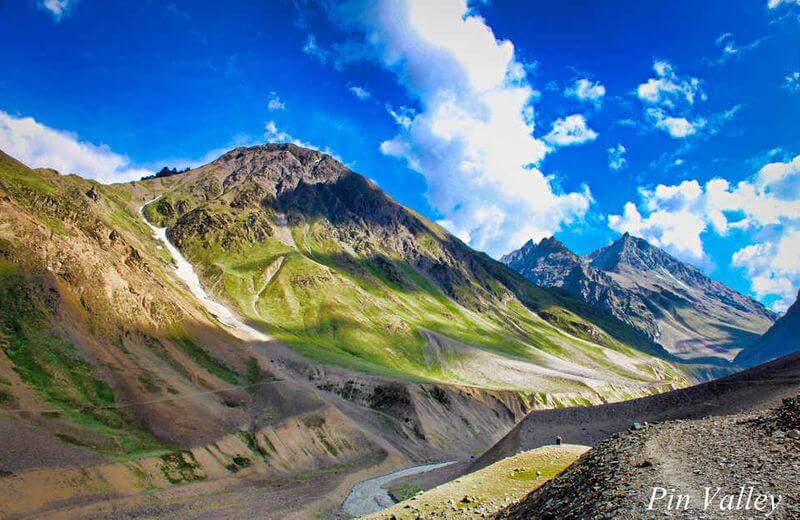
Most people come to Kullu for the river rafting and leave without realizing that one of India's most significant protected areas sits just beyond the tourist bustle. The Great Himalayan National Park (GHNP) was established in 1984, and in June 2014, it was inscribed as a UNESCO Natural World Heritage Site — the only national park in Himachal Pradesh to hold that status.
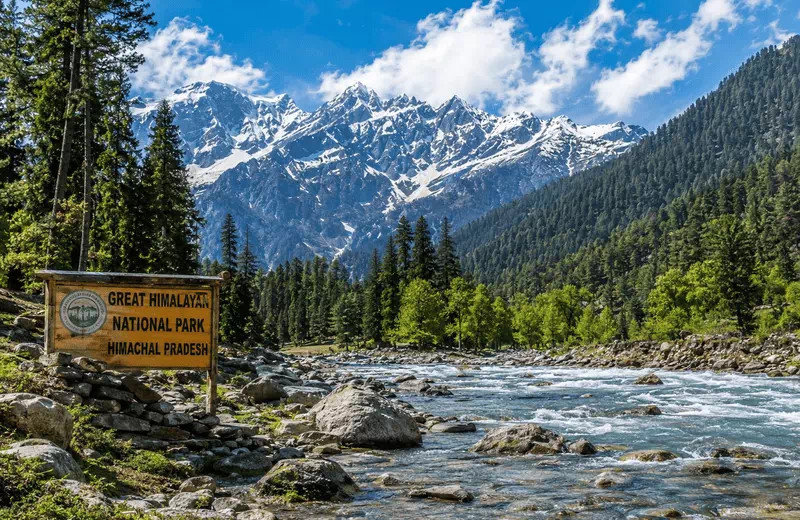
The park covers 1,171 square kilometres and spreads across four valleys: Sainj, Tirthan, Jiwa Nal, and Parvati. Elevation ranges from 1,500 metres near the lower valleys to above 6,000 metres at the glaciated peaks. That vertical range is exactly what makes the biodiversity here so dense — a single trek can take you through deodar forests, rhododendron belts, alpine meadows, and bare rocky ridgelines in the span of a few days.
The faunal count stands at over 375 species, including 31 mammals, 181 birds, and various reptiles, amphibians, and insects. Among them: the snow leopard, Himalayan brown bear, Himalayan tahr, musk deer, and the western tragopan — a brilliantly coloured pheasant that is globally threatened. For botanists, the park shelters 34 out of 47 species of threatened medicinal plants found in Himachal Pradesh, a number that says more about the park's importance than any tourist brochure can.
Vehicles are not permitted inside the park. Every valley in GHNP is accessible only on foot, which keeps the ecosystem largely undisturbed. Permits are issued from the Sai Ropa entry point in Banjar, Kullu district — confirm current permit requirements with the GHNP office before visiting.
Best time to visit: September to November for wildlife sightings, as animals descend to lower altitudes. July and August bring thick forests alive but trails can be wet. Winter closes most high routes.
How to reach: The nearest airport is Bhuntar (Kullu-Manali Airport), roughly 60 km from Banjar. From Delhi, buses run overnight to Kullu or Aut, from where you can hire a local taxi. The Tirthan Valley — a popular base for GHNP — is well connected to Kasol and Kullu by road.
Tirthan Valley makes for a comfortable base camp. The river there is among the cleanest you will see in northern India, and small guesthouses along the bank offer decent accommodation without the crowd you would find in Manali. Treks of 35 to 45 km deep inside the park bring you into high-altitude habitat above 3,500 metres.
Pin Valley National Park — Snow Leopard Country in the Cold Desert
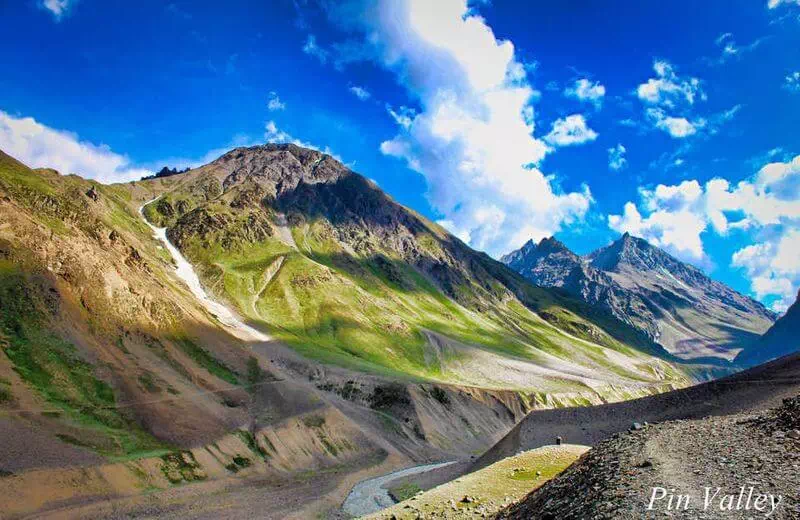
There is a reason that photographers and wildlife researchers take the long, winding route to Spiti Valley. Pin Valley National Park occupies a world entirely unlike the forested parks to its west — this is a high-altitude cold desert, stark and silent, where the land is all rock and wind-carved clay and the sky turns a shade of blue that photographs barely capture.
The park is located in the Spiti sub-division of Lahaul & Spiti district, at elevations ranging from roughly 3,500 metres to above 6,000 metres. Its core zone covers 675 square kilometres, with a buffer zone extending to 1,150 sq km. Constituted as a national park in 1987, it is the only national park in Himachal Pradesh situated in a cold desert biosphere.
The snow leopard is the primary draw. Around 12 individuals are estimated to inhabit the park — a modest number that makes each sighting rare enough to remember. Co-predators like the red fox and Himalayan brown bear share the landscape. Prey species include the Himalayan ibex (found in India only in Jammu & Kashmir and Himachal Pradesh), blue sheep (bharal), and woolly hare. Birds present include the golden eagle, bearded vulture, snow cock, chukor, and Himalayan chough.
Foreign nationals are not permitted inside Pin Valley National Park. Indian visitors require a permit — confirm the current permit procedure with the Spiti Wildlife Division before planning your visit.
April, May, November, and early December are the best months for animal sightings, as wildlife descends to lower altitudes during those periods. July and August are better for plant and geology enthusiasts. December to March brings severe snowfall that makes the park largely inaccessible.
How to reach: Two main routes approach the park. The first is from Shimla via Rampur and Reckong Peo (Kinnaur district) to Tabo, then across the Attargu bridge into Pin Valley. The second is from Manali via Kunzum Pass to Kaza, then across Attargu bridge. The nearest rail head is Shimla; the nearest airport is Bhuntar (Kullu). Anyone planning the trip from Kaza can read our guide on reaching Spiti Valley without a personal vehicle for public transport options.
Approximately 17 villages sit on the periphery of the park, with around 1,600 residents who belong to the scheduled tribe Buddhist community. In Kungri village — within the buffer zone — there is a Gompa known for the Chham and Buchen dances performed by its lamas. The cultural texture of Pin Valley is part of the experience.
Khirganga National Park — Hot Springs and High Himalayan Wilderness
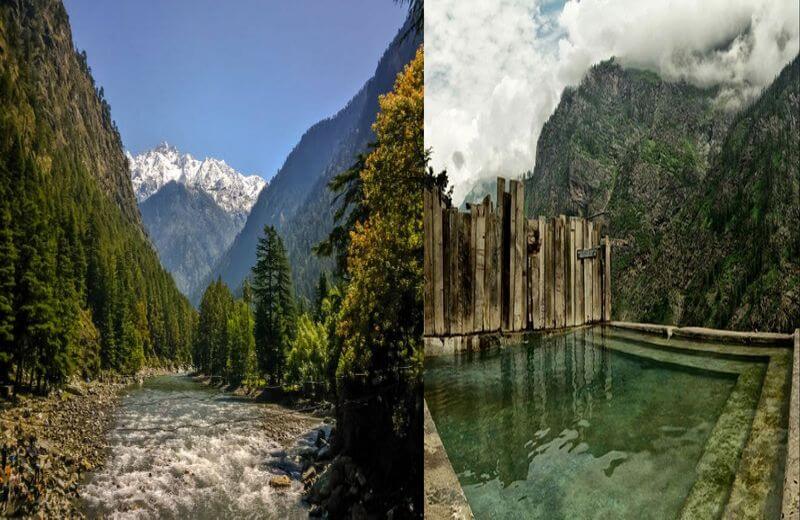
Most visitors who come to Parvati Valley hear about Khirganga for one specific reason: the natural hot springs at the trek's end point. That is fair, but it undersells what the park actually is — a protected area covering 710 square kilometres, established in 2010, that encompasses the upper reaches of the Parvati watershed all the way to Parvati Parbat (6,632 m), one of the most prominent peaks in the region.
The park is located in the Kullu district, in the Parvati Valley. Altitude at the park entrance begins at around 2,000 metres, and parts of the park reach 5,500 metres. That vertical stretch supports a rare combination of subtropical forests, coniferous cover, and alpine meadows within a single protected zone.
Wildlife here includes the Himalayan brown bear, Himalayan black bear, snow leopard, red fox, musk deer, Himalayan tahr, blue sheep, and the yellow-throated marten — an animal you are unlikely to spot unless you are moving quietly and slowly through the deodar forest early in the morning. The monal pheasant is common enough that most trekkers spot one; the golden eagle is harder to catch.
The hot springs at Khirganga — the ones that gave the park its name — sit at roughly 2,960 metres. They are sulphurous, warm, and surrounded by open meadows. After a 12 to 13 km trek from Barshaini (the last motorable point), they feel earned.
The trek from Barshaini to Khirganga passes through dense forest, river crossings, and open ridgelines. It is manageable for reasonably fit walkers but should not be attempted without proper footwear and weather awareness. Monsoon months bring landslide risk on sections of the trail.
Best time to visit: May to June for trekking; September to October for clearer skies and lighter crowds.
How to reach: From Bhuntar Airport (Kullu), it is approximately 50 km by road to Barshaini. Taxis from Bhuntar cost around INR 1,500–2,000 (confirm current rates locally). The nearest railway station is Joginder Nagar, around 125 km away. Kasol — a popular stop for backpackers — lies on the way; see the Kasol budget trip guide if you plan to break the journey there.
Inderkilla National Park — The Bird Watcher's Quiet Corner
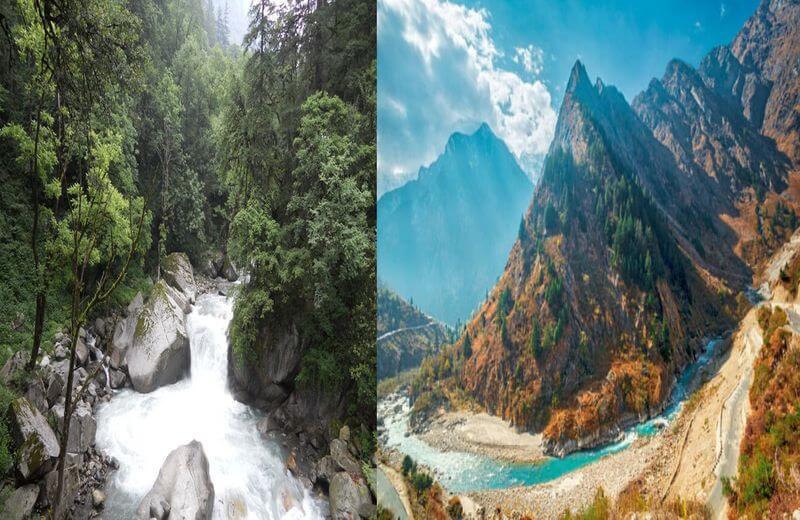
Inderkilla does not appear on most itineraries, and that is both its problem and its advantage. Established in 2010 in the Kullu district, the park covers 104 square kilometres of mixed western coniferous forest, hilly terrain, and the corridor along the Beas River. Manali is not far — about 12 km from the park's entry point at Prini village — but the number of people who visit Inderkilla versus the number who visit Manali Mall Road is not comparable.
Over 250 species of birds have been recorded here, including the Himalayan monal (Himachal Pradesh's state bird), Kaleej pheasant, and the Himalayan griffon. For anyone serious about birding in the Kullu Valley, Inderkilla offers access that other parks do not. Wildlife beyond birds includes Himalayan brown and black bears, leopard, snow leopard in upper reaches, Himalayan tahr, musk deer, ibex, and various mountain deer.
The Beas River runs through the park, and the combination of river, forest, and rocky terrain gives it a completely different feel from the open desert of Pin Valley or the high meadows of GHNP. Camping along the riverbank, watching the Beas run green and fast, is one of those quietly good experiences that does not make it into travel reel content.
Activities available include trekking, mountaineering, rafting on the Beas, camping, and fishing. The all-weather road linking Hampta Valley near Manali passes close to the park.
Park timings: 10:00 AM to 5:00 PM. Verify entry requirements locally before visiting — confirm with the forest department whether fees apply at the time of your trip.
How to reach: From Manali, take the road toward Prini village (approximately 12 km). Kullu-Manali Airport is the nearest airport, about 46 km away. Joginder Nagar railway station is approximately 40–41 km from the park. For those exploring nearby offbeat areas, the guide on offbeat places near Manali covers several spots that pair well with an Inderkilla visit.
Simbalbara National Park — Shivalik Foothills, Sal Forests, and an Unusual History
At the southern edge of Himachal Pradesh, where the state borders Haryana, the landscape changes completely. Gone are the high passes and cold winds. Simbalbara sits in the Paonta Valley of Sirmour district, in the foothills of the Shivalik range — the same range that runs along the base of the Himalayas through Punjab and Haryana.
The park covers 27.88 square kilometres — the smallest of Himachal's five national parks by area. Its backstory is unusual: the land was once used as a hunting ground by the Maharajas of Sirmour. It was designated a wildlife reserve in 1958, re-established as a wildlife sanctuary in 1974, and finally declared a national park on 28 July 2010. It is also known as Col. Sher Jung National Park, named after a noted freedom fighter and environmentalist.
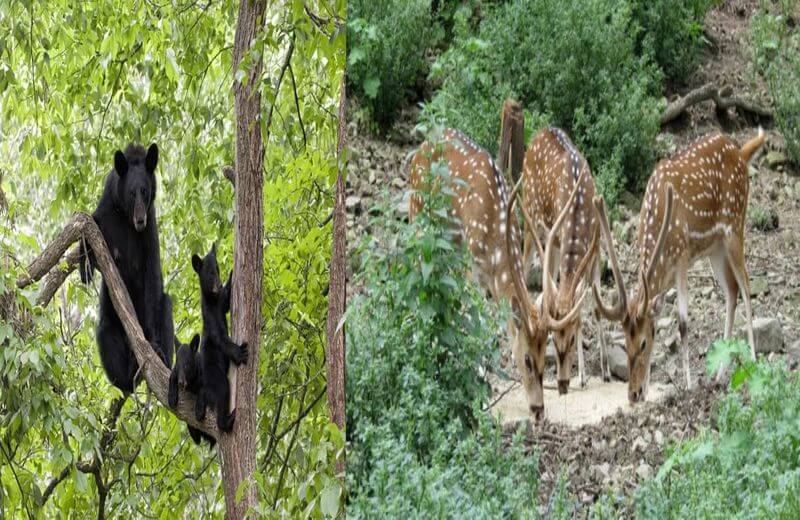
Dense sal forest is the defining feature. Grassy glades open between the trees, streams run through the valley floor, and the general character is warm, tropical, and markedly different from anything else in Himachal Pradesh. Fauna includes goral, sambar, chital (spotted deer), Himalayan black bear, Indian muntjac, wild boar, and Hanuman langur. The park has documented 21 species of mammals, 140 species of birds, 17 species of reptiles, and several amphibian and fish species. It is also home to more than 70 butterfly species — which makes a slow walk through the glades in October particularly worthwhile.
The park touches Haryana's Kalesar National Park to its south and west, creating an ecological corridor of genuine importance for species movement.
Monsoon season (July to September) makes the forest trails slippery and difficult. October to November is the best window for wildlife viewing. Early mornings and evenings are when animal activity peaks — if you are serious about spotting goral on the ridges, those are your hours.
How to reach: The nearest airport is Chandigarh, approximately 100 km from the park. The nearest railway station is Ambala, about 63 km away. From Paonta Sahib town (approximately 25 km), regular transport options connect to the park. How to plan a workation in the mountains is also useful for visitors planning a slower, multi-day stay in this region.
Best Time to Visit National Parks in Himachal Pradesh
No single answer covers all five parks, because they span three completely different ecosystems.
For Pin Valley, April–May and October–November give you the best chance of wildlife sightings at accessible altitudes. June to September is viable but cold and wet at higher elevations. Winter (December to March) effectively closes the park.
For Great Himalayan National Park, September to November is the prime window. The forest is dense green in July–August, but animal visibility drops. Trekkers aiming for the high valleys should arrive by late September before the first snowfall.
For Khirganga and Inderkilla, May to June and September to October hit the sweet spot between comfortable temperatures and manageable trail conditions.
For Simbalbara, the Shivalik seasons apply: October to February is ideal, with peak wildlife activity in the cool months. Avoid the monsoon entirely if you want dry trails.
Budget Overview
Costs vary significantly depending on which park you visit and how you travel.
| Expense | Budget Range (INR) |
|---|---|
| Accommodation near GHNP (Tirthan) | 800–3,000/night (guesthouse to homestay) |
| Accommodation near Spiti (Kaza) | 500–2,500/night |
| Delhi to Kullu/Manali bus (overnight) | 600–1,200 |
| Taxi Bhuntar to Barshaini (Khirganga) | 1,500–2,000 |
| Trekking guide (per day) | 800–1,500 |
| Entry fees | Confirm with each park office at time of visit |
For budget travel across Himachal's mountains, the guide on best budget friendly backpacking destinations in India has useful baseline advice on keeping costs down without cutting corners on safety.
Travel Tips for Himachal's National Parks
Permits and entry rules change, especially for Pin Valley which restricts foreign nationals. Always contact the relevant forest department or wildlife division before your trip — official information is more reliable than any third-party source.
ATMs are sparse or non-existent near Pin Valley and Khirganga. Carry enough cash for the full duration of your stay in these areas.
Pin Valley and the upper reaches of Khirganga and GHNP sit at altitudes where altitude sickness is a real possibility. Arrive at intermediate altitudes a day early, drink water consistently, and don't push through headaches.
Wildlife sightings in all five parks are never guaranteed. Early mornings and evenings are the windows when animals are most active. If you are entering deeper forest zones, move quietly and avoid strong scents.
Responsible behaviour matters more in Himachal's parks than in heavily managed reserves elsewhere. These are genuine wilderness areas with low human interference — keep it that way by carrying out all waste.
Photography Tips
For Pin Valley: the cold desert light in early morning is flat and clean. The best compositions come from the contrast between bare orange clay ridgelines and the snow-covered peaks behind them. Carry a telephoto lens of at least 300mm if snow leopard or ibex sightings are your aim.
For GHNP: the Tirthan River in late afternoon light, and the transition zones where forest meets alpine meadow, are the most rewarding. A wide-angle lens works better here than in the cold desert.
For Simbalbara: close-quarter birding and butterfly photography are the highlights. A macro lens or a 100–400mm zoom covers both.
Wrap-Up
Himachal Pradesh's five national parks represent something genuinely varied — not just in terms of geography, but in the kind of traveller each rewards. GHNP is for those who want real trekking depth. Pin Valley is for those willing to sit still and wait for a snow leopard in one of the world's most extraordinary landscapes. Khirganga draws both pilgrims and backpackers. Inderkilla is for birders and river lovers who want to stay close to Manali without the Manali crowd. And Simbalbara offers a warm, Shivalik-style wilderness that nothing else in Himachal quite matches.
Start with verifying entry permits and seasonal access for whichever park interests you — the official Himachal Pradesh forest department website has current information. From there, the mountains will take care of the rest.