Kaza, nestled in the Spiti Valley of Himachal Pradesh, India, is a fascinating destination that offers a unique blend of natural beauty, rich history, vibrant culture, and geographical wonders.
This article delves into the various aspects of Kaza, including its history, tourism, culture, and geography, providing a comprehensive overview of what makes this town a must-visit for travelers seeking an offbeat and enriching experience.
History
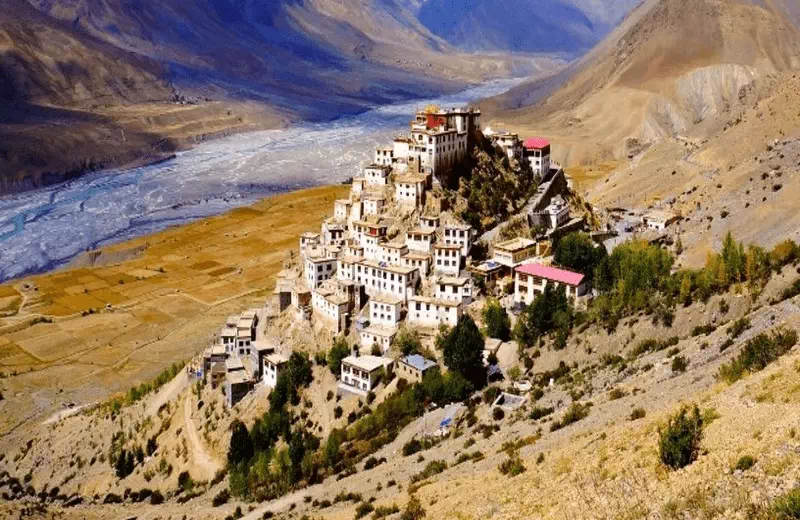
Kaza's history is deeply intertwined with Buddhism, which has been the predominant influence on its culture and traditions. The region is dotted with ancient monasteries that stand as a testament to its rich Buddhist heritage. One of the most significant historical sites in Kaza is the Tangyud Gompa, dating back to the 14th century. This monastery is built like a fortified castle with massive slanted mud walls and battlements, showcasing the architectural ingenuity of the era.
The presence of such monasteries not only highlights the spiritual significance of Kaza but also its historical importance as a center of Buddhist learning and culture.
Tourism
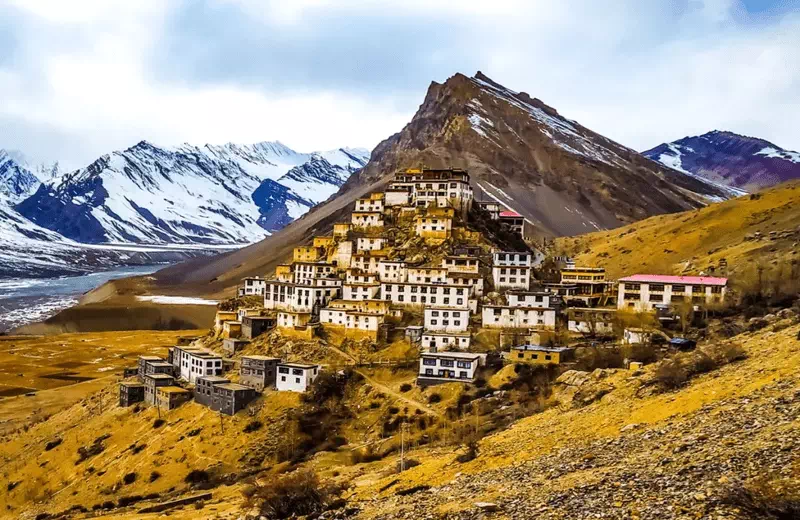
Kaza serves as a gateway to the wonders of the Spiti Valley, offering a plethora of attractions for tourists. Among the must-visit places are the Key Monastery, the largest in Kaza, and the picturesque villages of Kibber, Tabo, and Dhankar. Each of these locations offers a unique glimpse into the serene beauty and architectural marvels of the region.
The Chandratal Lake and Dhankar Lake are other notable attractions, known for their stunning landscapes and tranquil surroundings. For adventure enthusiasts, Kaza is an ideal base camp for trekking, mountaineering, and exploring the rugged terrains of the Spiti Valley.
Culture
The culture of Kaza is predominantly influenced by Tibetan Buddhism, which is evident in the daily lives of its people, their festivals, and their monasteries. The Ki and Tabo Monasteries are central to the spiritual life in the region, reflecting the deep-rooted Buddhist traditions.
The local festivals, characterized by colorful dances and rituals, offer a glimpse into the rich cultural tapestry of Kaza. The people of Kaza lead a simple lifestyle, with a strong sense of community and a deep connection to their environment and traditions.
Geography
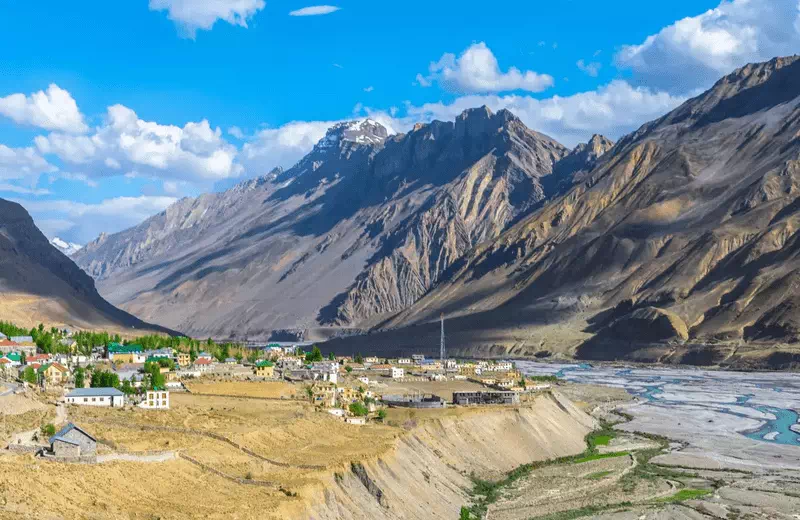
Geographically, Kaza is situated at an elevation of 3,800 meters (12,500 ft) above sea level, in the Trans-Himalayan region of India. It is the largest and most developed town in the Spiti Valley, surrounded by high mountain ridges and the Spiti River flowing nearby.
The region's geography is marked by its high-altitude desert landscape, with stark contrasts between barren mountains and patches of greenery. This unique geographical setting not only shapes the climate and lifestyle of its inhabitants but also offers breathtaking vistas for visitors.
In conclusion, Kaza is a destination that captivates with its blend of natural beauty, historical depth, cultural richness, and geographical uniqueness. Whether it's exploring ancient monasteries, trekking through scenic landscapes, participating in local festivals, or simply soaking in the tranquility of the high-altitude desert, Kaza offers an unparalleled experience for those willing to venture into this remote corner of Himachal Pradesh.