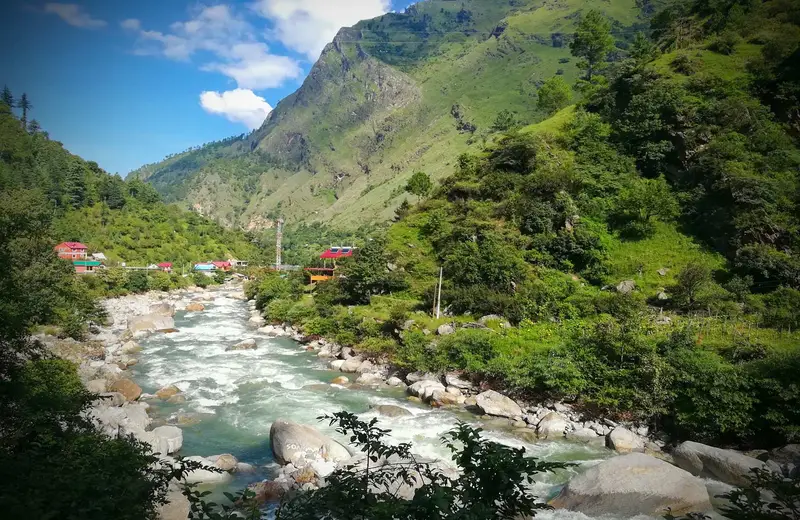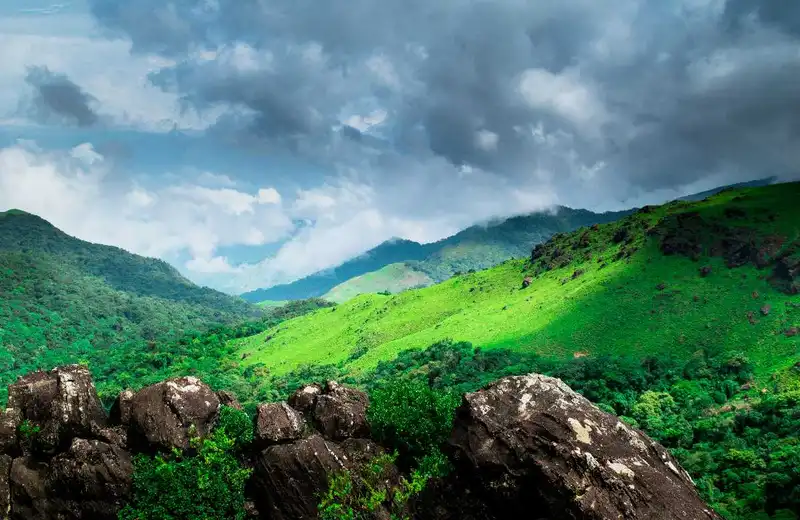
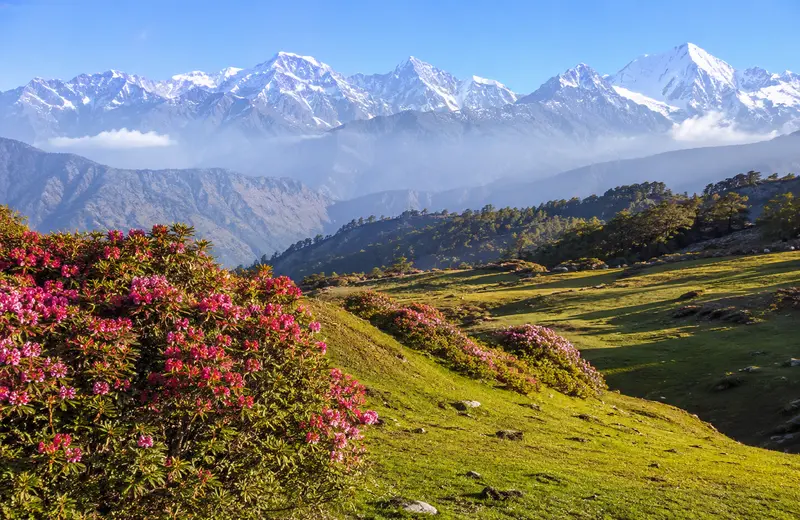
You reach a bend in the road, the forest opens, and suddenly there it is: a wide green meadow rolling toward a wall of snow peaks, with almost nobody around. That first look is why people fall for Chopta. It sits high in the Garhwal Himalayas of Uttarakhand's Rudraprayag district, a small cluster of tea shacks and forest rather than a proper town, and it has picked up a big nickname along the way. Locals and travellers alike call it the Mini Switzerland of Uttarakhand.
The meadows are only half the story. Chopta is also the launch point for one of the most rewarding short treks in India: a walk up to Tungnath, the highest Shiva temple in the world, and a little beyond it to the Chandrashila summit, where the Himalayas line up in a full sweep at sunrise. You can do all of it in a weekend, which is rare for a place this quiet.
A high alpine meadow in Garhwal that doubles as the base for the Tungnath and Chandrashila trek, still uncrowded, snowbound in winter, and green with rhododendron in spring.
At a Glance
| Detail | Quick Info |
|---|---|
| Location | Chopta, Rudraprayag district, Uttarakhand |
| Altitude | Around 2,700 m (village); Chandrashila summit ~4,000 m |
| Famous for | Alpine meadows; base for Tungnath and Chandrashila trek |
| Tungnath | Highest Shiva temple in the world (~3,680 m), part of Panch Kedar |
| Best time to visit | March to June and September to November; winter for snow |
| Nearest railway station | Rishikesh, around 200 km |
| Nearest airport | Jolly Grant, Dehradun (~225 km) |
| Trek distance | Chopta to Tungnath ~3.5 km; Tungnath to Chandrashila ~1.5 km |
| Ideal for | Beginner trekkers, nature lovers, birders, quiet mountain trips |
Tungnath temple stays open only about six months a year. It opens around late April or May and closes near the end of October or early November, after which the deity is worshipped at its winter seat in Makkumath. The exact dates are announced each year by the temple committee, so confirm them before planning a temple visit.
Why Chopta Is Called the Mini Switzerland of India
The comparison sounds like tourist-brochure talk until you actually stand in the meadows. The ground here is a rolling carpet of grass, broken by clumps of oak, deodar, and rhododendron, and it climbs gently toward peaks like Nanda Devi, Trishul, and Chaukhamba. In spring the rhododendrons turn the slopes red and pink. In winter the whole thing goes white and silent.
What sets Chopta apart from the bigger hill stations is what it doesn't have. There is no mall road, no traffic snarl, no rows of concrete hotels. It falls inside the Kedarnath Wildlife Sanctuary, so development is limited by design. What you get instead is forest, birdsong, and long views, which is exactly the point for the kind of traveller who comes here. If you like your mountains without the crowds, Chopta belongs on the same list as India's other underrated hill stations that stay peaceful.
The wildlife is part of the draw too. This is one of the better spots in the Himalayas for birding, and the star is the Himalayan Monal, a pheasant with almost unreal iridescent colours. Patient walkers sometimes see musk deer in the forest as well.
The Tungnath and Chandrashila Trek
This is the reason most people book the trip.
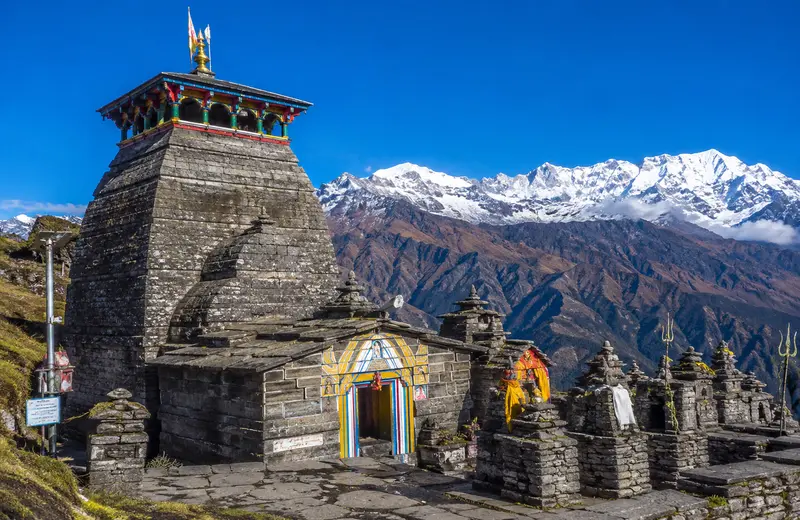
The trail starts right at Chopta and climbs about 3.5 km to Tungnath. It is a stone-paved path, moderate rather than punishing, and most reasonably fit walkers cover it in two to three hours with breaks. As you climb, the tree line thins and the views widen, until you reach the temple itself sitting at roughly 3,680 metres.
Tungnath is more than a viewpoint. It is the highest Shiva temple in the world, one of the five Panch Kedar shrines, and it is believed to be over a thousand years old, tied in legend to the Pandavas. The stone structure is small and weathered, and there is something quietly moving about a shrine this old standing this high, this exposed. Photography is allowed around the temple but not inside it, so keep your camera for the approach and the surroundings.
From Tungnath, a steeper push of about 1.5 km takes you to Chandrashila, the summit at around 4,000 metres. This last stretch is the hard part, and the reward is a 360-degree view of the Garhwal Himalayas. People climb it in the dark to reach the top for sunrise, when the peaks catch the first light one after another.
Time the Chandrashila climb for sunrise if you possibly can. Starting the final stretch before dawn is cold and tiring, but the moment the light hits Nanda Devi and Chaukhamba from the summit is the single best thing most people take home from Chopta.
The trek route itself stays walkable through much of the year, including a snowbound winter version for those with the right gear and guidance. The temple, though, follows its own calendar, so match your plan to what you actually want: darshan, the summit, or both.
Best Time to Visit Chopta
Chopta rewards you differently in each season, so the right time depends on what you are after.
March to June is the classic window. The snow is melting, the meadows green up, rhododendrons bloom, and the weather is pleasant for trekking. This lines up with the temple season and suits first-timers and families best.
September to November brings the clearest skies of the year after the monsoon washes out the haze. If your priority is sharp, wide Himalayan views, this is arguably the finest stretch, though nights turn cold as winter approaches.
December to February transforms Chopta into deep snow. The meadows vanish under a thick white layer, the temperature can fall well below freezing, and the trek becomes a snow trek that needs proper equipment. Roads sometimes get blocked after heavy snowfall. For snow lovers it is magical, and it puts Chopta in the same bracket as reaching Auli in winter for a Uttarakhand snow break.
The monsoon months of July and August are best skipped. Rain makes the trails slippery and the mountain roads prone to landslides. If summer heat down in the plains is what you are escaping, Chopta also sits comfortably among the cool hill stations that beat the season's heat.
How to Reach Chopta
Chopta has no railway station or airport of its own, so you reach a bigger hub first and drive up through the mountains. The final approach is slow and winding, and that is normal for this part of Garhwal.
By air. The nearest airport is Jolly Grant in Dehradun, roughly 225 km away, with flights from Delhi and other cities. From there you hire a cab or take buses through Rishikesh toward Chopta.
By train. The nearest convenient railhead is Rishikesh, around 200 km away, and Haridwar is another well-connected option a little further out. Both have good links to Delhi and other major cities. From either, you continue by road.
By road. Most travellers drive up from Rishikesh via Devprayag, Rudraprayag, and Ukhimath, or via Gopeshwar from the other side. From Delhi the whole journey runs somewhere around 450 km and can take the better part of a day, often ten to fourteen hours depending on road conditions and stops. Shared jeeps, buses, and private cabs all work; many people break the drive with a night in Rudraprayag or Ukhimath.
The last bit. Chopta is the last motorable point for the Tungnath trek. Once you arrive, everything above it is on foot.
Things to Do Around Chopta
Beyond the headline trek, the area gives you a few more reasons to linger.
Deoria Tal. A short drive to Sari village, followed by a walk of about 2.5 km, brings you to Deoria Tal, a still lake that mirrors the Chaukhamba peaks on a calm morning. It is one of the most photographed spots in the region, and for good reason. Many travellers combine it with Chopta over the same trip.
Ukhimath. About 30 km away, this small town is the winter seat of the Kedarnath deity and holds old temples worth a quiet hour. It is also a practical stop, since it has the ATMs and shops that Chopta lacks.
Birding and forest walks. The forests around Chopta reward slow, quiet mornings. Bird watchers come specifically for the Monal and the many other Himalayan species here, and even a gentle walk without a checklist is a pleasure.
Panch Kedar context. Chopta sits at the heart of the Panch Kedar circuit of five Shiva temples. Serious pilgrims tie Tungnath into that larger journey, which also runs through the more famous Kedarnath pilgrimage and up toward Badrinath in the same Garhwal belt.
A Simple Weekend Itinerary
Two to three days is enough to do Chopta justice without rushing the altitude.
Day 1. Drive up and reach Chopta or a stay just below it by afternoon. Settle in, walk the nearby meadows to get a feel for the place, and let your body start adjusting to the height. Early night, since tomorrow starts before dawn.
Day 2. Set off very early for the Tungnath trek, timing the final Chandrashila push for sunrise if you are up for it. Spend time at the temple and summit, then walk back down to Chopta by late morning or midday. Rest in the afternoon.
Day 3. Drive to Sari village and trek to Deoria Tal for the lake and its reflections, or stop at Ukhimath on your way back down. Then begin the return journey.
If you only have a weekend, fold Deoria Tal into a longer second day or save it for next time. Chopta is the kind of place people come back to.
Where to Stay and What to Eat
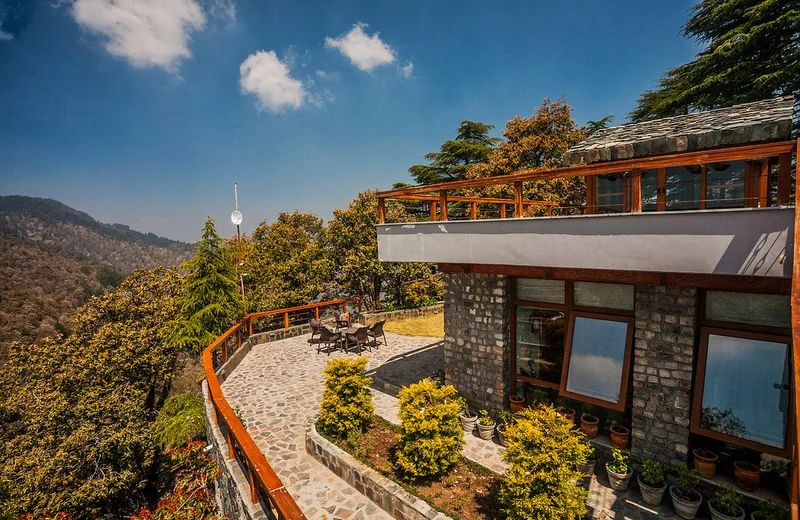
Chopta keeps accommodation simple and close to nature. You will find basic guesthouses and small lodges near the road, a handful of cottage-style stays, and organised camps in the surrounding area. Options right in Chopta are limited and fairly rustic, so many travellers base themselves slightly lower, around Baniyakund, Dugalbitta, or Sari, and drive up for the trek.
There is one rule worth knowing before you picture a tent pitched in the open grassland.
Camping directly in the Chopta meadows is not allowed. Because the meadows fall inside the Kedarnath Wildlife Sanctuary, a court order bans camping there to protect the fragile ecology. Approved camps operate in nearby zones like Baniyakund and Dugalbitta instead. Rules can change, so confirm the current position with your operator or the local forest office before you book a camping stay.
Book ahead for peak spring and autumn dates, and expect the more comfortable camps to cost more than the basic guesthouses. Rates shift with the season and with long weekends, so treat any figure you see online as a rough guide and confirm before paying.
The food is honest mountain fare. Small kitchens serve simple, warm Garhwali and North Indian meals, the reliable dal, rice, roti, and vegetables that taste better after a climb, usually with endless cups of chai. Do not come expecting a fancy menu. Come hungry after the trek and it does the job perfectly.
Budget: What a Chopta Trip Roughly Costs
Chopta is easy on the wallet compared with the big-name hill stations. There is no entry ticket for the meadows or the trek itself, the temple darshan is free, and food is inexpensive. Your main costs are the long road transport to get there, your stay or camp, and any guide or porter you choose to hire.
Because it stays cheap and rugged rather than polished, Chopta fits neatly into a wider set of budget-friendly backpacking trips across India. Prices move over time and with the season, so use current quotes when you plan rather than old numbers from a blog.
Travel Tips and Safety
Altitude is the thing to respect here. Chandrashila sits at around 4,000 metres, and gaining height quickly can leave you breathless, headachy, or nauseous. Give yourself a bit of time to adjust after arriving, climb at a steady pace rather than racing, drink plenty of water, and turn back if you feel genuinely unwell. This matters more for anyone not used to the mountains.
Carry cash, since Chopta itself has no reliable ATM and the nearest ones are down in Ukhimath. Mobile network is patchy at best, with only some carriers catching a weak signal in spots, so tell people at home you may be off-grid for a day or two. A local guide is worth it for the winter snow trek and helpful even in season.
Weather turns fast at this height, so pack layers even in summer, and add thermals, gloves, and waterproof footwear for winter. Trekking shoes with grip beat sneakers on the stone path. This is protected forest, so carry your waste back out, keep noise down to see more wildlife, and stay on marked trails.
Photography at Chopta
For a photographer, Chopta is generous. The meadows give clean foregrounds, the peaks give a dramatic backdrop, and the light at dawn and dusk does the rest. The Chandrashila sunrise is the marquee shot, with the whole Himalayan skyline turning gold in sequence. Deoria Tal offers the opposite mood, calm and reflective, best on a windless morning when the lake mirrors Chaukhamba. In spring the rhododendron blooms add colour to wider frames, and in winter the snow strips everything back to white and shadow. Remember that photography is not permitted inside Tungnath temple, so respect that and save your shots for the trail and the views.
Final Word: Is Chopta Worth the Trip?
Chopta asks for effort. It is a long, slow drive from anywhere, the stays are basic, and the best of it means walking uphill in thin, cold air. In return it gives you empty meadows, a thousand-year-old temple at the top of the world's highest Shiva shrine, and a summit sunrise that stays with you. For trekkers, nature lovers, and anyone tired of crowded hill stations, that trade is more than fair.
If it sounds like your kind of place, decide first what you want most, the temple, the summit, or the snow, and pick your season to match. Book your stay ahead for spring or autumn, keep a buffer day for the altitude, and confirm the Tungnath temple dates before you set out. Then let the road take you up into the meadows, and see for yourself why this quiet corner earned its Swiss nickname.