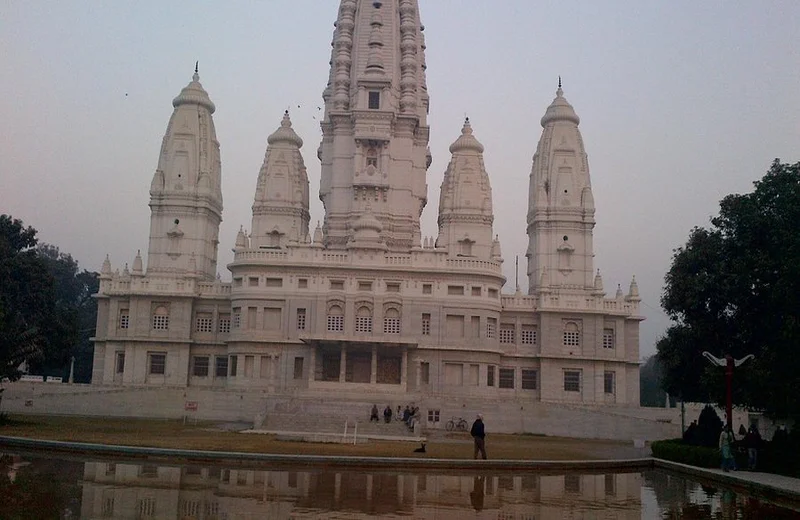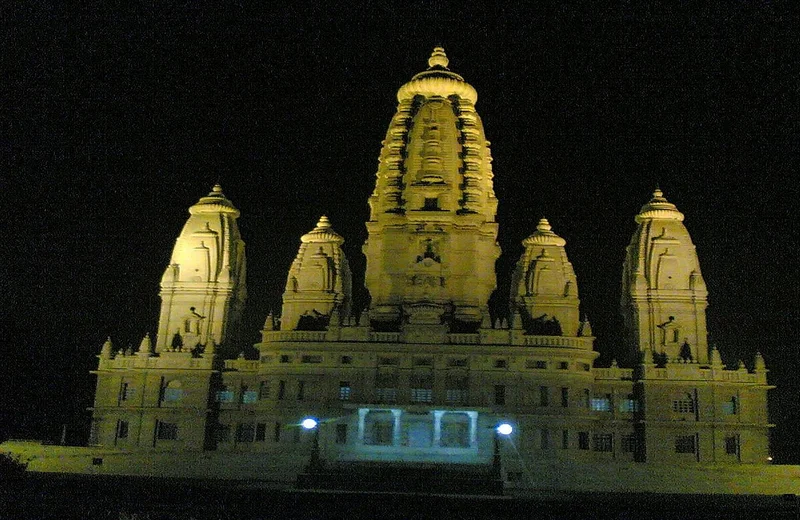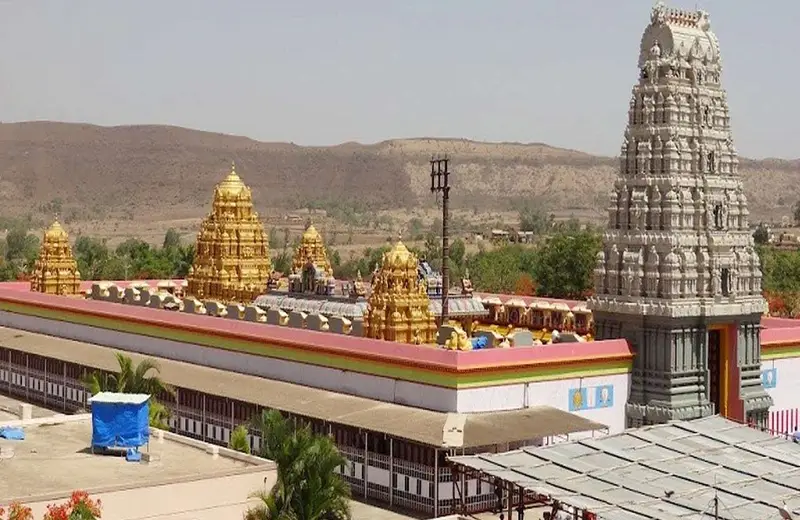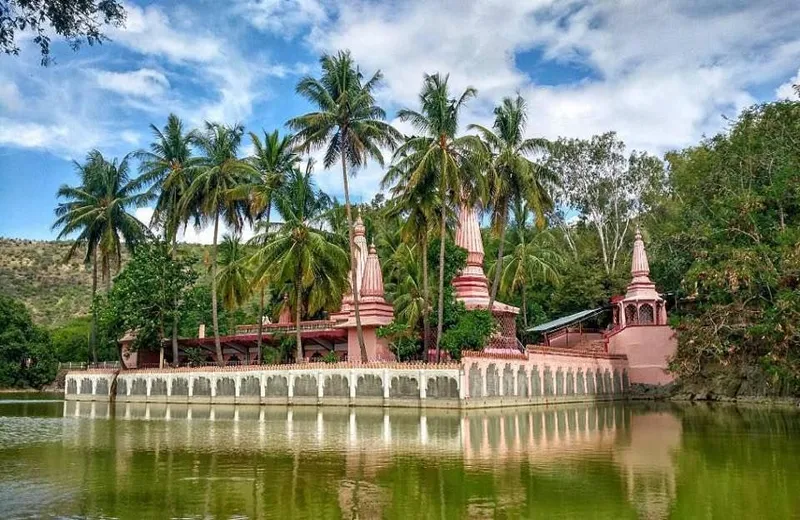
High in the Garhwal Himalayas, where the Alaknanda river rushes past snow-dusted peaks, sits one of Hinduism's holiest shrines — the Badrinath Temple. Dedicated to Lord Vishnu in his form as Badrinarayan, this revered dham draws lakhs of pilgrims every season, all making the long, scenic climb to seek darshan at over 3,000 metres above sea level. It's a journey that's equal parts devotion and adventure.
Planning your Badrinath Yatra? Here's everything you need — darshan timings, the temple's fascinating history, the best time to go, how to reach it, and the key things to know before you set off into the mountains.
Whether you're a devout pilgrim or a traveller drawn to the Himalayas, this guide walks you through the temple and the trip with clear, practical detail.
1. About Badrinath Temple
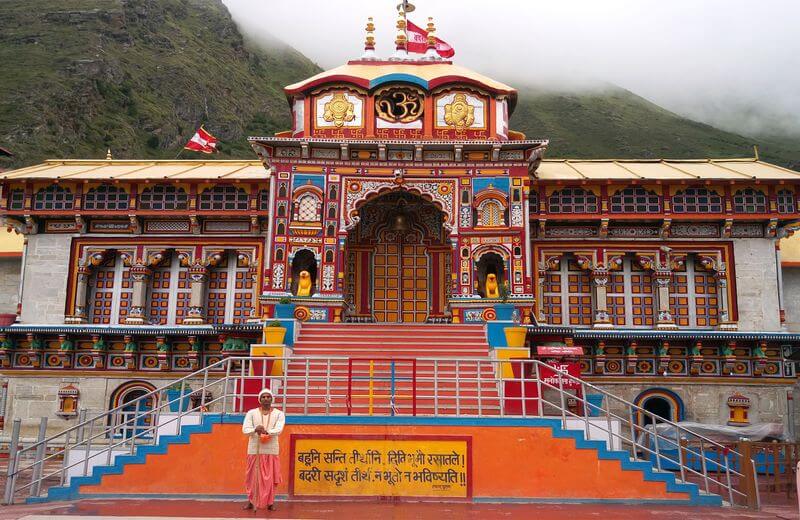
Badrinath Temple at a Glance
| Detail | Information |
|---|---|
| Location | Badrinath, Chamoli district, Uttarakhand |
| Dedicated to | Lord Vishnu (Badrinarayan / Badri Vishal) |
| Elevation | ~3,133 m (10,279 ft) |
| Open season | ~Late April/early May to October/November |
| Darshan timings | ~4:30 AM–1:00 PM & 4:00 PM–9:00 PM |
| Nearest airport | Jolly Grant Airport, Dehradun (~310+ km) |
| Nearest railhead | Rishikesh (~295 km) |
| Significance | One of the Char Dham & 108 Divya Desams |
Heads-up: Opening and closing dates, darshan timings, and entry rules change every season and are decided by the temple committee. Online registration is now mandatory for the yatra, so always confirm current dates, timings, and registration requirements through official Uttarakhand government channels before you travel.
About Badrinath Temple
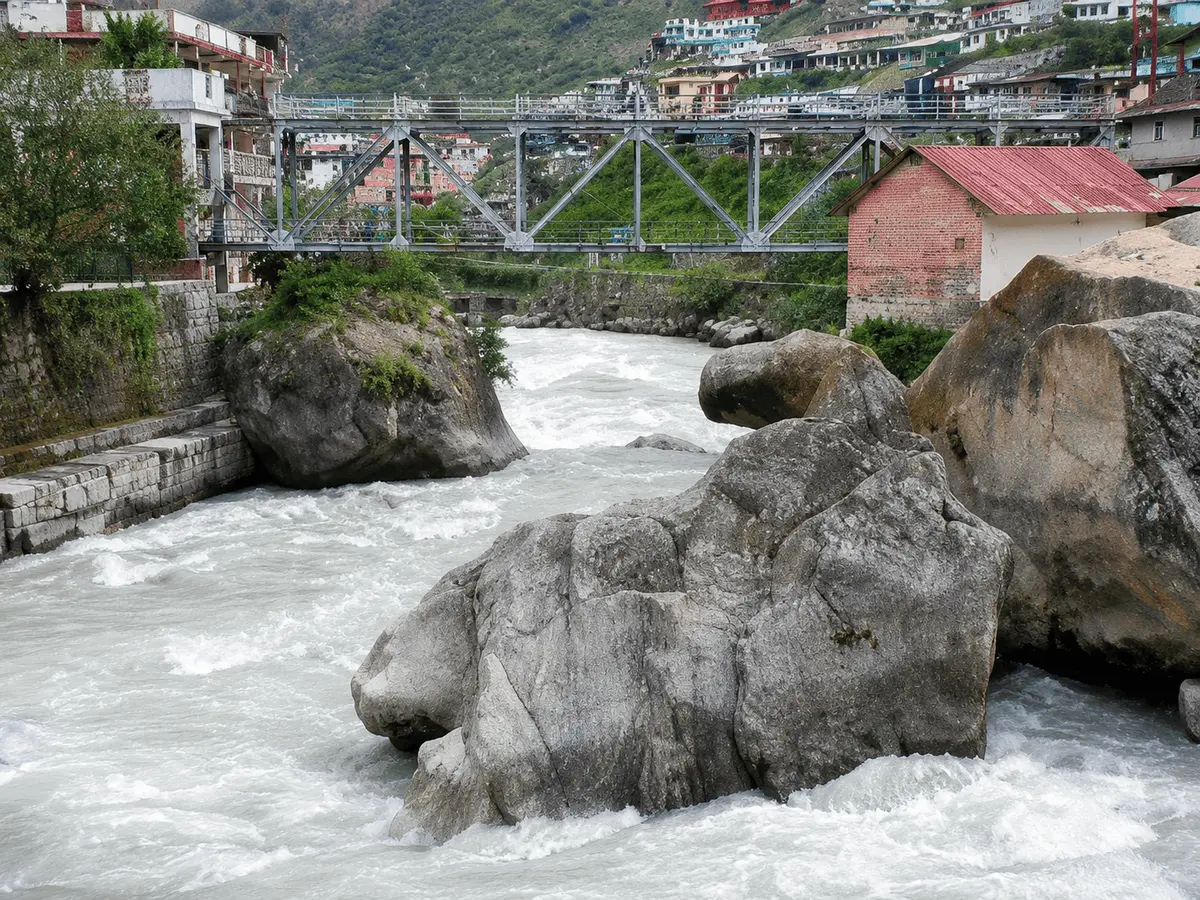
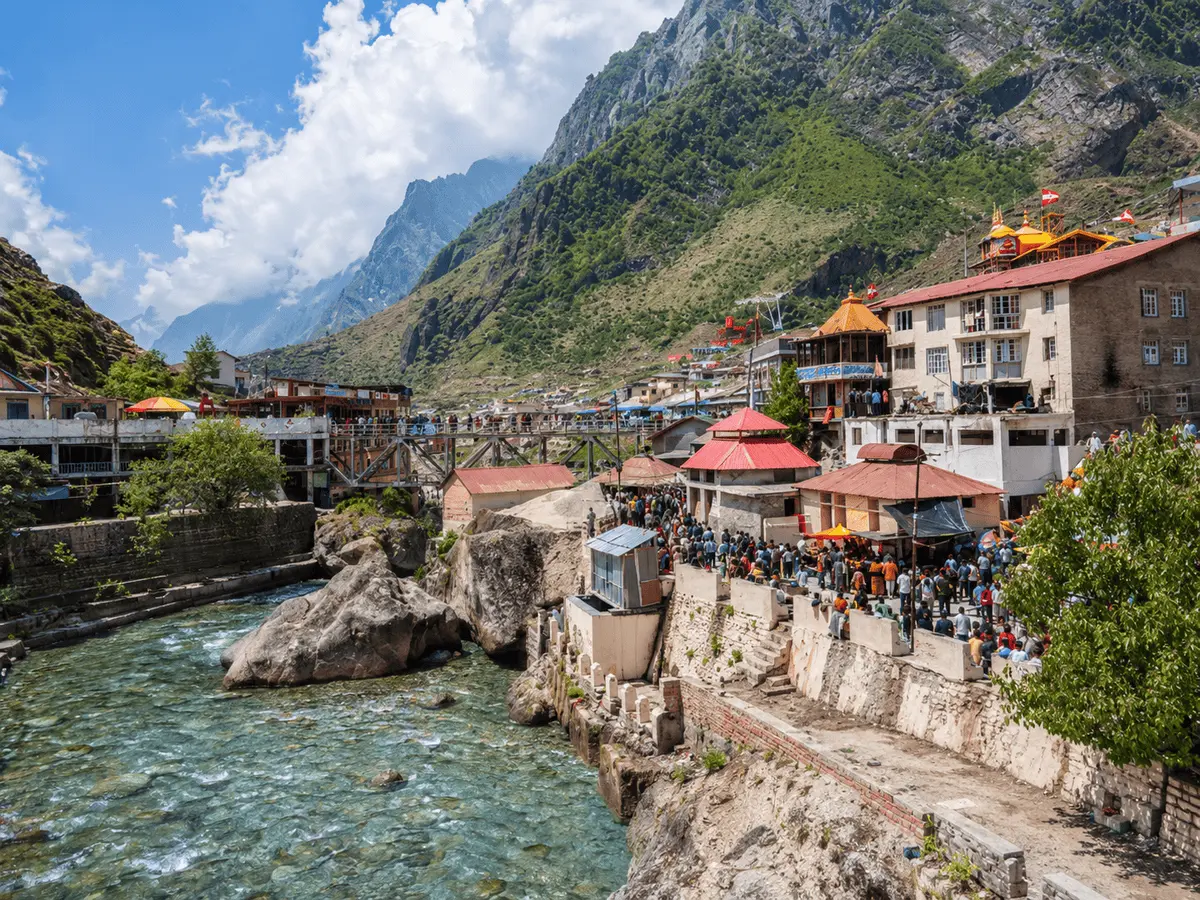
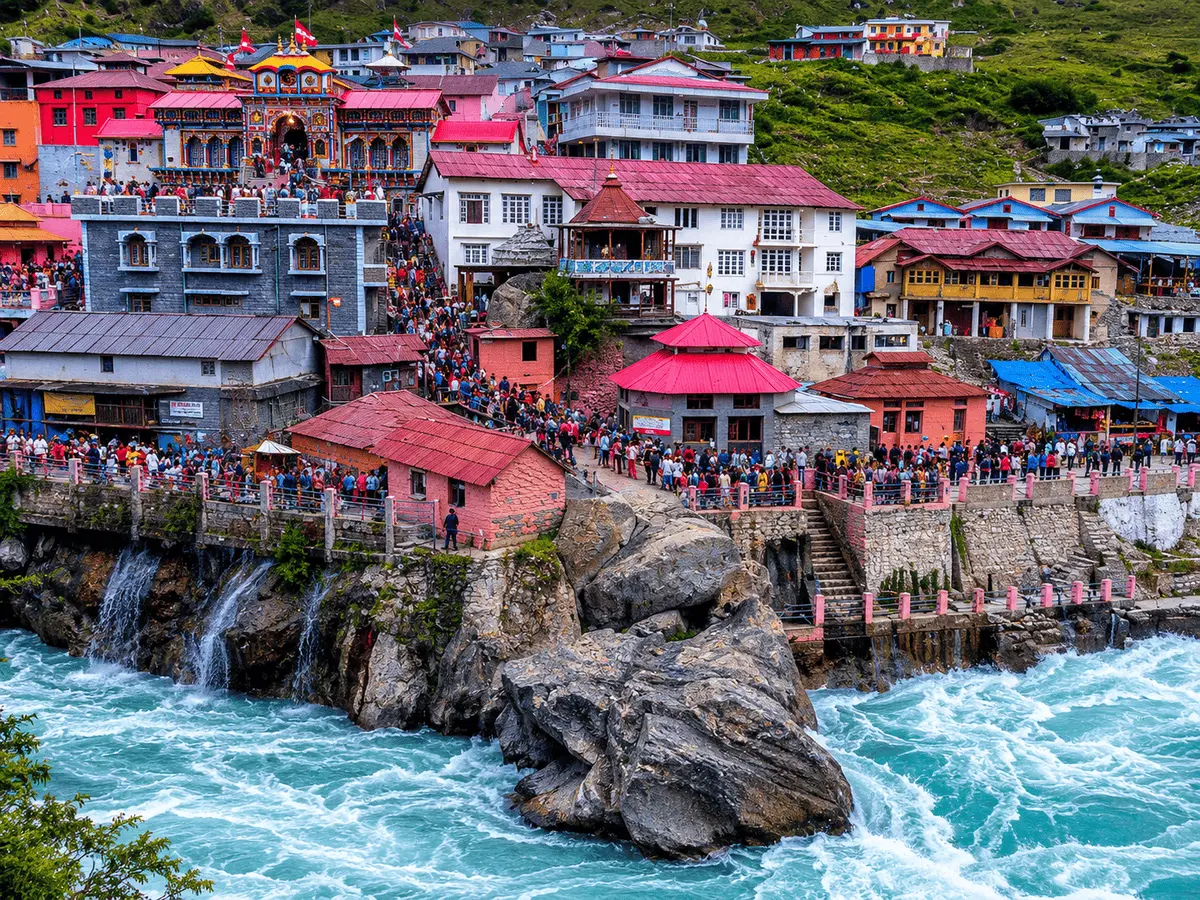
Set in the town of Badrinath in Uttarakhand's Chamoli district, the temple sits against the dramatic backdrop of the Neelkanth peak, with the Alaknanda flowing nearby. It's one of the four sacred Char Dham shrines that Hindus aspire to visit in a lifetime, and it also forms part of Uttarakhand's Chota Char Dham circuit alongside Kedarnath, Gangotri, and Yamunotri. For Vaishnavites, it's also counted among the 108 Divya Desams, the holy abodes of Vishnu.
Because of its extreme Himalayan location, the temple is open only about six months a year. It opens around late April or early May (near the auspicious Akshaya Tritiya) and closes around October–November (near Diwali/Bhai Dooj), with the exact dates announced each year by the temple authorities. In winter, when the region is buried under snow, worship symbolically shifts down to Joshimath.
If you're drawn to the high Himalayan pilgrimage trail, the nearby Kedarnath Dham makes a natural companion to a Badrinath trip.
A Brief History
The temple's origins reach deep into legend. It's widely believed that the great philosopher-saint Adi Shankaracharya established (or revived) Badrinath as a major pilgrimage centre around the 8th–9th century, recovering the sacred idol of Vishnu and enshrining it here. According to tradition, Lord Vishnu meditated at this very spot, sheltered by a badri (berry) tree — which is how the shrine got its name.
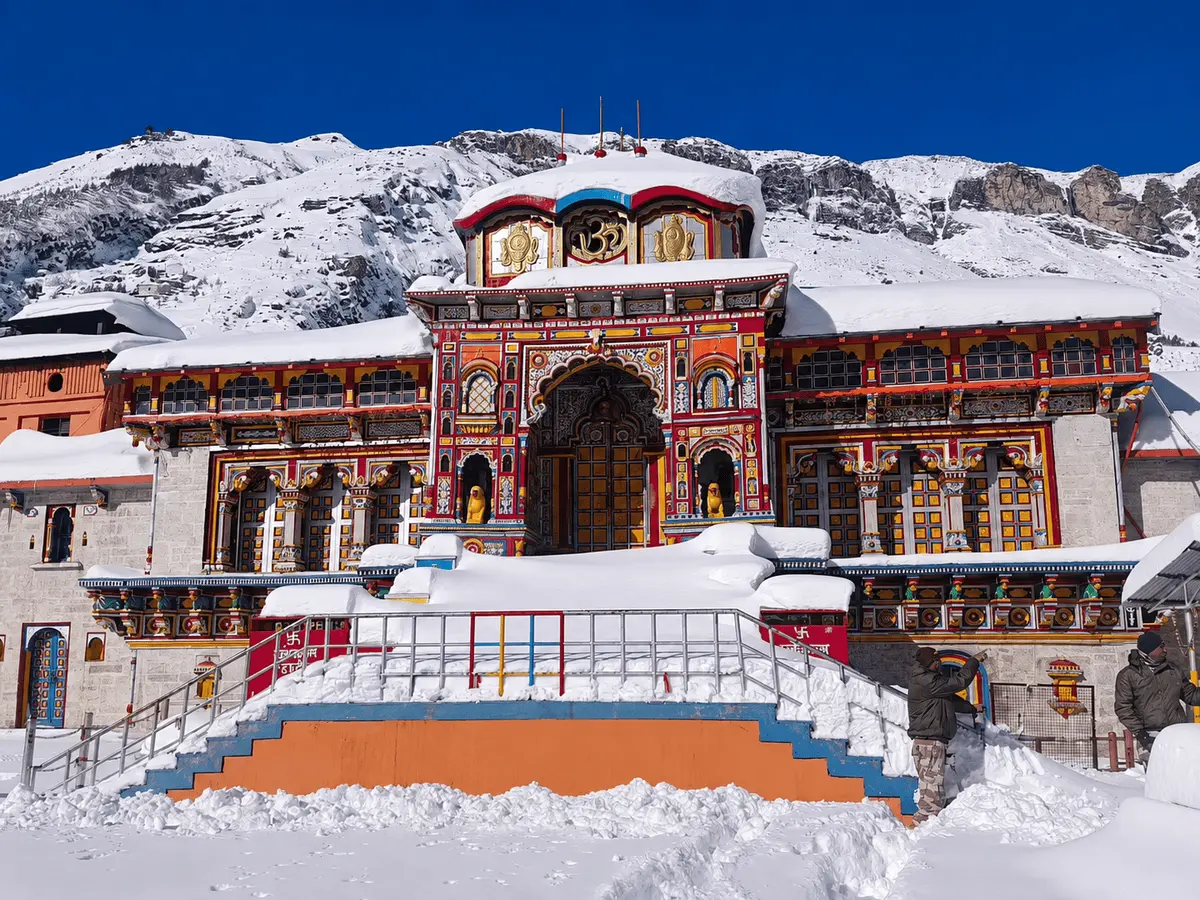
Over the centuries, the temple was supported and expanded by the kings of Garhwal. After it was damaged in the great Himalayan earthquake of the early 1800s, it was repaired and rebuilt by royal patrons. The structure you see today, with its brightly painted facade, is the result of generations of restoration in a punishing mountain climate.
The Idol and Tapt Kund
Inside the sanctum sits a roughly one-metre (about 3.3 ft) black stone idol of Lord Vishnu as Badrinarayan, seated in a meditative pose and regarded as self-manifested. Surrounding him are other revered deities within the temple complex, including figures like Garuda, Kubera, Narada, and Lakshmi.
Just below the temple is the Tapt Kund, a natural hot sulphur spring where many pilgrims take a holy dip before entering for darshan — a striking contrast of steaming water against the freezing mountain air.
Good to know: Photography is not permitted inside the temple's sanctum, so plan to soak in the experience without your camera at the holiest spots.
Badrinath Darshan Timings
The temple generally follows two darshan windows, with a midday break for rituals and bhog:
- Morning: approximately 4:30 AM to 1:00 PM (beginning with the early Maha Abhishek and Abhishek puja)
- Evening: approximately 4:00 PM to 9:00 PM (including the evening aarti)
The early morning is considered especially auspicious. Special pujas and seva can usually be booked for a fee, while general darshan does not have a mandatory entry charge. Because timings and puja arrangements shift with season, festivals, and crowds, confirm the current schedule before your visit.
2. Best Time to Visit Badrinath
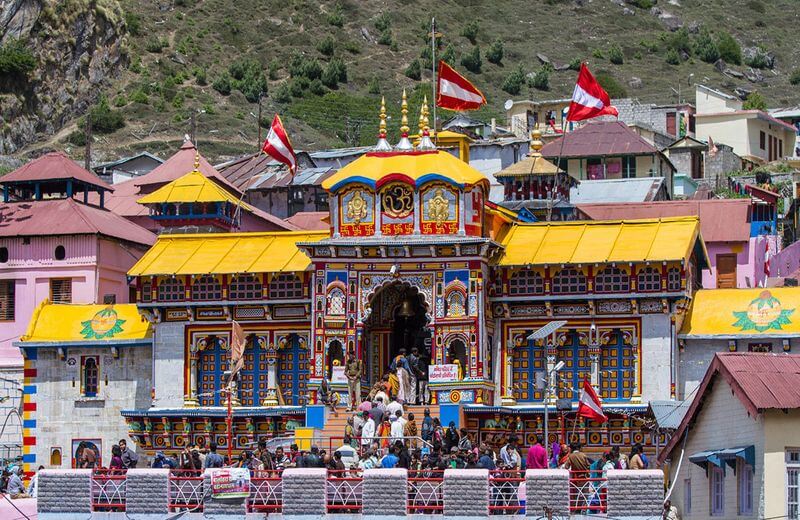
Best Time to Visit Badrinath
Since the temple is only open for part of the year, your real choice is which months within the season to go:
- May to June: The peak season — pleasant days, open roads, and full rituals, but also the biggest crowds, especially right after the temple opens.
- September to October: Another excellent window, with stable weather and thinner crowds before the winter closure.
- July to August (monsoon): Best avoided. Heavy rain across Chamoli district frequently triggers landslides, road closures, and route suspensions.
Key takeaway: For the safest, most comfortable Badrinath Yatra, aim for May–June or September–October. Skip the monsoon months, and always check road and weather updates close to your travel dates.
How to Reach Badrinath
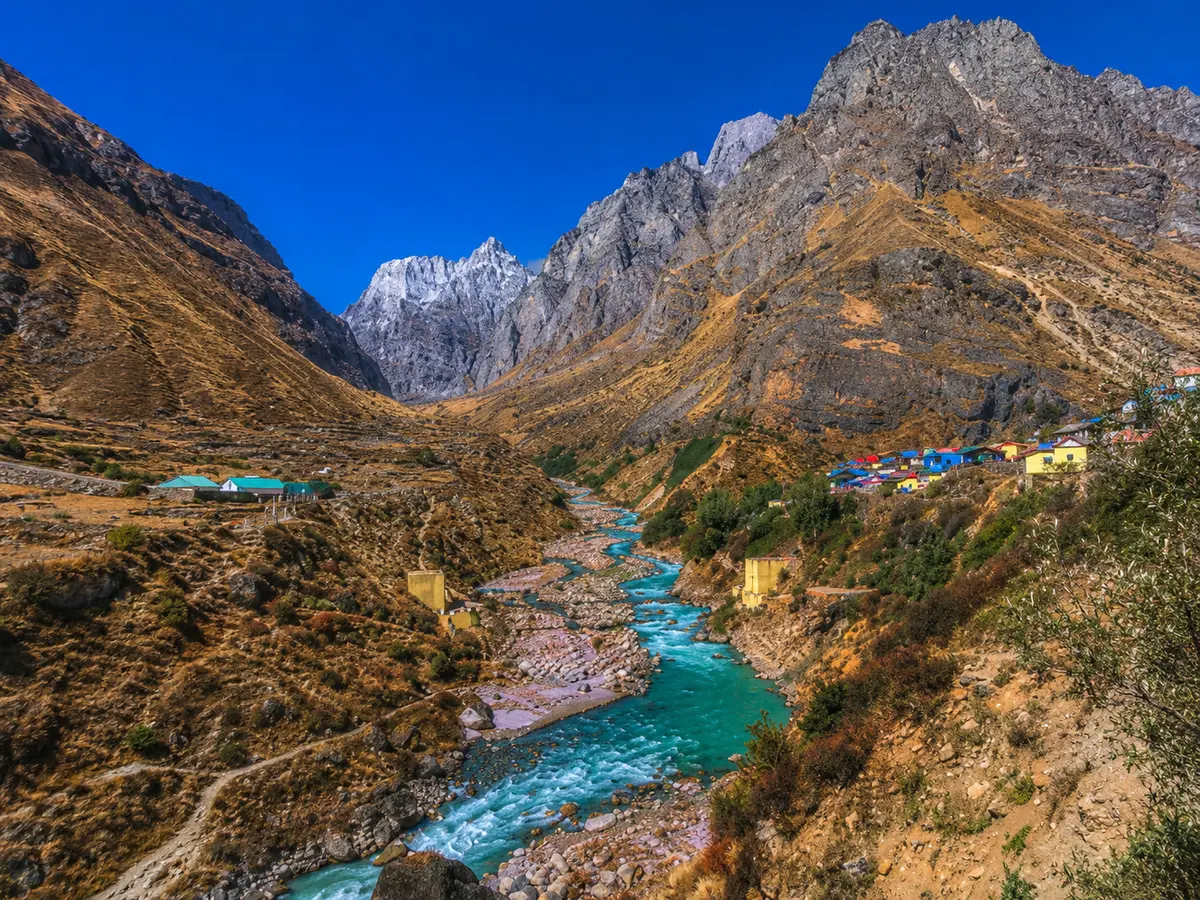
Badrinath has no airport or railway station of its own, so every route ends with a long, scenic mountain drive. The journey itself — through Rishikesh, the Panch Prayag confluences, and Joshimath — is part of the pilgrimage.
By Air: The nearest airport is Jolly Grant Airport in Dehradun, roughly 310+ km away. From there, hire a taxi or take a bus toward Joshimath and onward to Badrinath. Helicopter services also operate during the yatra season for those short on time, though they're weather-dependent.
By Train: The nearest major railhead is Rishikesh (around 295 km), with Haridwar another well-connected option. From the station, continue by road.
By Road: This is the classic approach. Badrinath is linked by mountain highways to Rishikesh, Haridwar, Dehradun, and Joshimath, with buses and shared taxis running through the season. Joshimath, about 45 km away, is the last major town before the temple.
Insider tip: Break the long drive with a stop near Dehradun — the hill station of Mussoorie is an easy add-on at the start or end of your Uttarakhand trip.
The Panch Badri — Five Sacred Shrines
Badrinath is the most famous of the Panch Badri, a group of five Vishnu shrines spread across the Garhwal region:
- Vishal Badri — the main Badrinath temple itself.
- Yogadhyan Badri — at Pandukeshwar, with an idol of Badrinath in a meditative posture.
- Bhavishya Badri — the "future" Badri, near Joshimath.
- Vridha Badri — the "old" Badri, where the deity is said to have been worshipped earlier.
- Adi Badri — a cluster of small shrines near Karnaprayag.
Devout pilgrims sometimes try to cover all five, but even visiting one or two alongside Badrinath deepens the experience.
Top Places to Visit Around Badrinath
The area around the temple is as breathtaking as the shrine itself:
- Mana Village: Just a few kilometres away near the India–Tibet frontier, Mana is now officially celebrated as India's "first village" (long known as the last village). Don't miss the famous "first tea shop of India," Vyas and Ganesh caves, and the Bheem Pul rock bridge over the roaring Saraswati river.
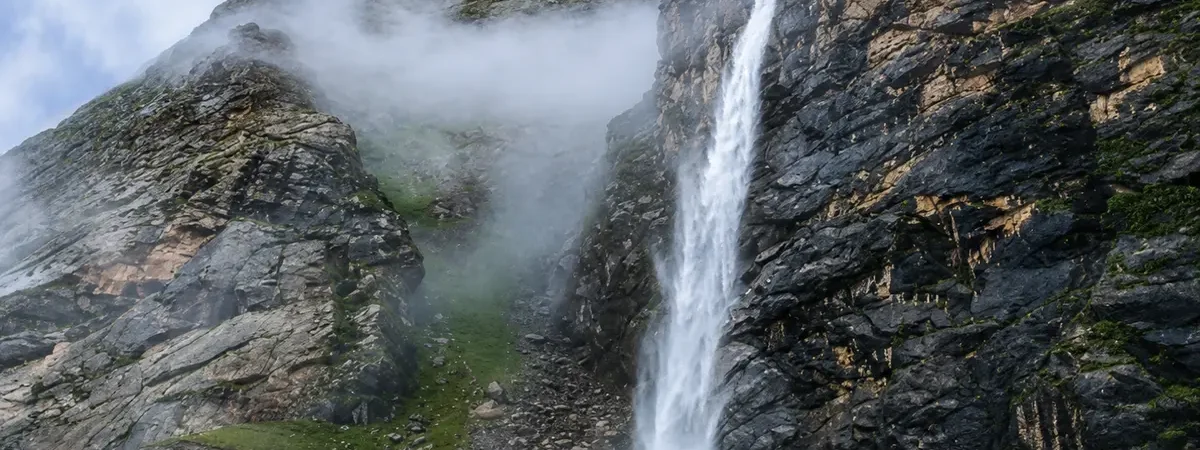
- Vasudhara Falls: A stunning high-altitude waterfall reached by a scenic trek beyond Mana.
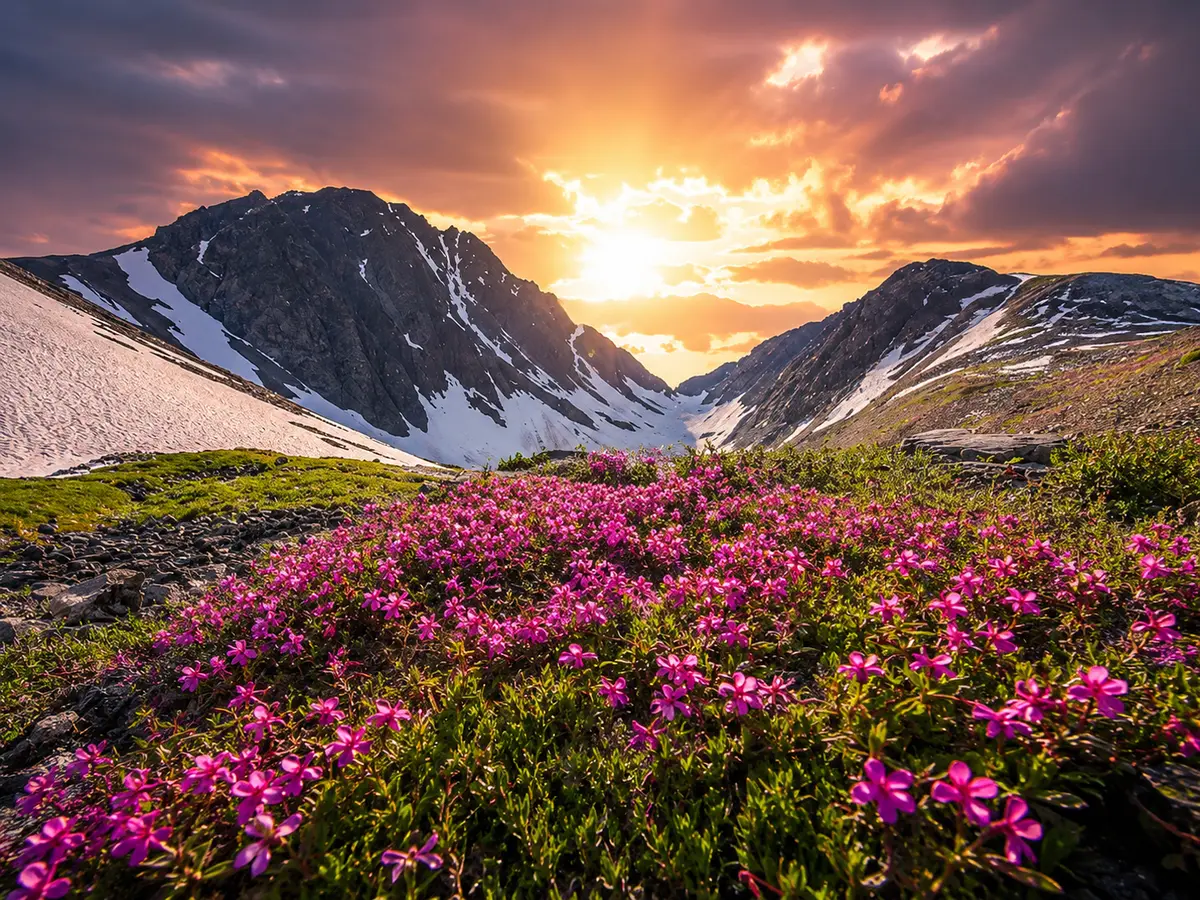
- Valley of Flowers & Hemkund Sahib: A UNESCO-listed bloom-filled valley and a revered high-altitude Sikh shrine, both accessed from nearby Govindghat.
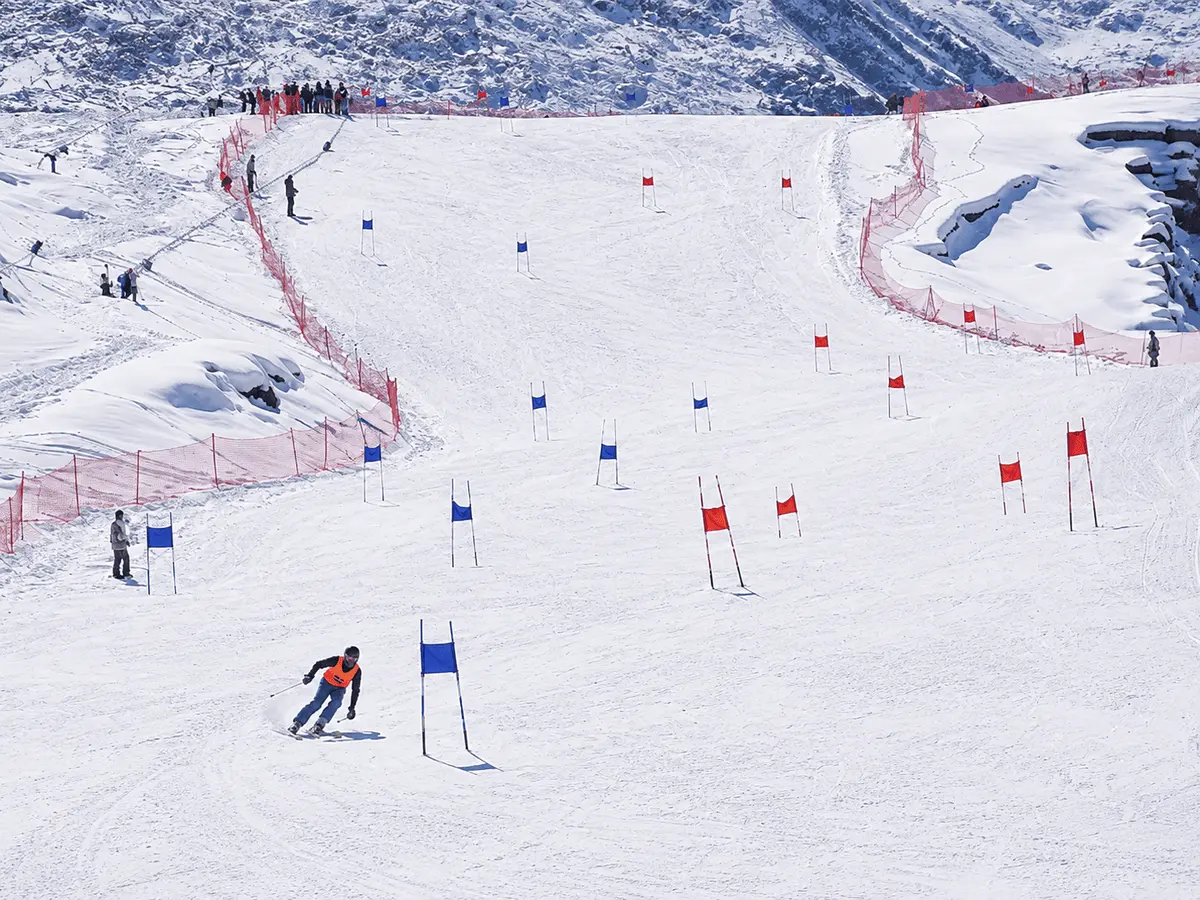
- Auli: A famous meadow-and-ski destination near Joshimath, with sweeping Himalayan views.
- Neelkanth Peak, Brahma Kapal & Narad Kund: Spiritual and scenic spots right around the temple, including the riverside Brahma Kapal, where pilgrims perform rituals for ancestors.
For more high-mountain ideas, these hill stations near Delhi under 300 km and the serene Tirthan Valley make great additions to a Himalayan itinerary.
Things to Know Before Your Badrinath Yatra
A few practical pointers go a long way at this altitude:
- Register in advance. Online yatra registration through the official Uttarakhand government portal is now mandatory, and daily pilgrim numbers can be capped — sort this out before you arrive.
- Prepare for altitude. At over 3,000 metres, take it slow, stay hydrated, and carry basic medicines for altitude discomfort just in case.
- Pack warm layers. Even in summer, mornings and evenings are cold, and weather changes fast.
- Carry rain gear in shoulder months and keep an eye on road and landslide updates.
- Mobile connectivity is limited, so download offline maps and inform family of your plans ahead of time.
- Respect rituals and queues — the temple gets extremely crowded, especially soon after it opens.
If you enjoy temple journeys like this, you may also like our other guides such as the Arunachalam Temple travel guide.
Final Word
A trip to Badrinath is more than a temple visit — it's a Himalayan pilgrimage that rewards every bit of the effort it takes to get there. Time your journey for the safe months, register ahead, pack for the cold, and leave room to explore Mana village, the waterfalls, and the peaks that frame the shrine.
Go with patience and an open heart, and the mountains will do the rest.