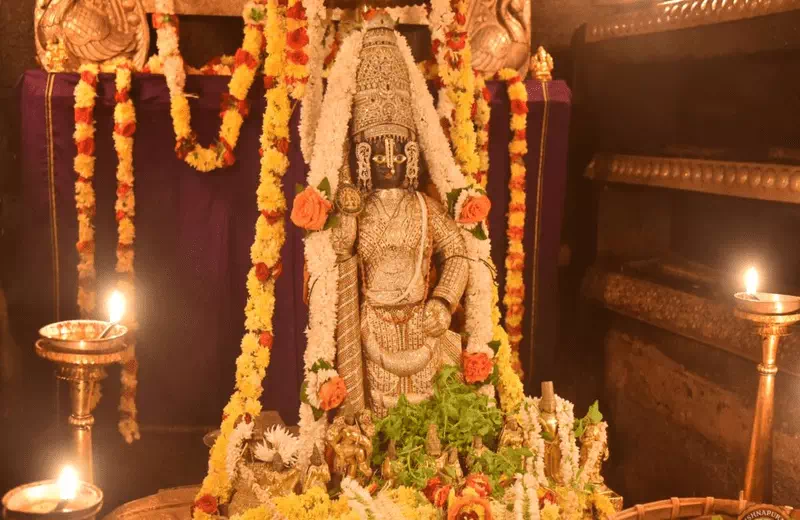
Nestled in the coastal town of Udupi, Karnataka, the Udupi Sri Krishna Temple stands as a beacon of spirituality and devotion. This revered temple, dedicated to Lord Krishna, is not just a place of worship but a vibrant cultural and spiritual hub that attracts millions of devotees from across the globe. The temple's rich history, unique architecture, vibrant festivals, delectable food, and profound spiritual significance make it a must-visit pilgrimage site. This article delves into the various facets of the Udupi Krishna Temple, offering readers an insightful journey into its divine ambiance.
History: A Divine Legacy
The Udupi Sri Krishna Temple's history is as enchanting as its deity. Founded in the 13th century by the Vaishnavite saint, Sri Madhvacharya, the temple has a miraculous origin story. Legend has it that Madhvacharya found the idol of Lord Krishna in a large ball of gopichandana (sandalwood paste) that had washed ashore. He installed this idol in Udupi, marking the beginning of the temple's spiritual journey. The idol, intriguingly, faces west, a unique feature attributed to the devotion of Kanakadasa, a saint who, despite being denied entry due to his caste, was blessed with a vision of Krishna through a small window, now known as Kanakana Kindi.
Architecture: A Confluence of Divinity and Artistry
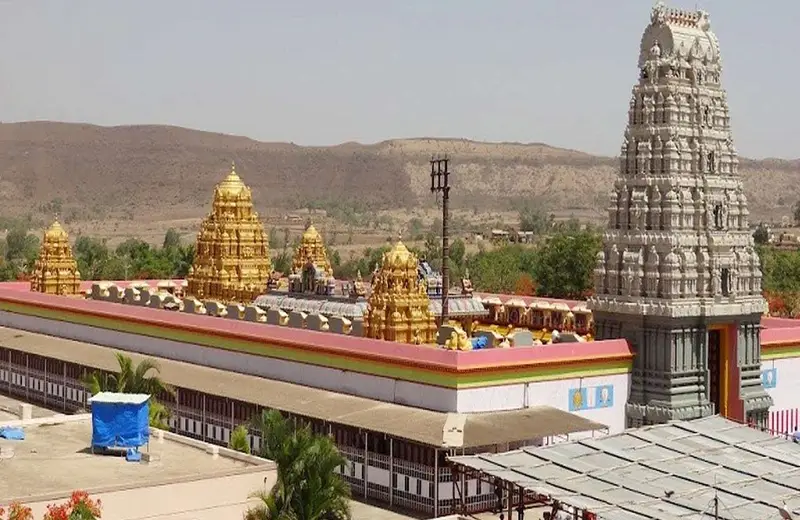
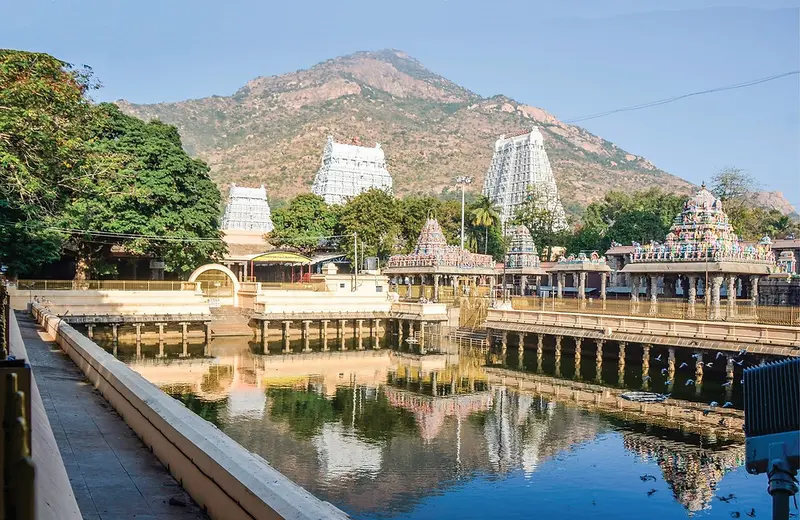
The temple's architecture is a splendid example of Dravidian style, characterized by its intricate carvings, majestic towers, and a silver-plated inner sanctum. The temple complex houses several smaller shrines, each dedicated to different deities, adding to its spiritual ambiance. The most distinctive architectural feature is the Navagraha Kitiki, a window with nine holes through which devotees can have darshan (viewing) of Lord Krishna, symbolizing the nine planets.
Festivals: A Celebration of Faith and Tradition
Udupi Sri Krishna Temple is renowned for its vibrant festivals, with Sri Krishna Janmashtami being the most celebrated. This festival marks the birth of Lord Krishna and sees the temple and the entire town of Udupi come alive with decorations, traditional music, dance performances, and elaborate rituals. Another significant festival is the Paryaya Festival, held every two years, marking the transfer of temple management among the eight mathas (monasteries) established by Madhvacharya. These festivals not only showcase the rich cultural heritage of Udupi but also foster a sense of community and devotion among the masses.

Food: Divine Prasadam and Udupi Cuisine
The temple is also known as "Anna Brahma," meaning "God of Food," for its tradition of offering delicious vegetarian meals to all devotees. The prasadam served here is prepared following strict guidelines, ensuring purity and sanctity. Udupi's cuisine, famous worldwide, originated from the temple's kitchens, offering a variety of dishes that are now synonymous with South Indian vegetarian food. The temple's dining hall, where devotees sit on the floor and enjoy the prasadam, adds to the spiritual experience.
Spiritual Significance: A Journey Within
The Udupi Sri Krishna Temple is not just a place of historical and cultural importance but a spiritual oasis that offers solace to the soul. The temple's serene ambiance, coupled with the chanting of hymns and the divine presence of Lord Krishna, provides a perfect setting for meditation and introspection. Devotees believe that a pilgrimage to Udupi cleanses the soul and brings them closer to attaining moksha (liberation).
Conclusion
The Udupi Sri Krishna Temple stands as a testament to the enduring power of faith and devotion. Its rich history, architectural grandeur, festive fervor, culinary delights, and profound spiritual significance make it a unique spiritual destination. Whether you are a devout pilgrim, a cultural enthusiast, or a seeker of peace, Udupi Krishna Temple offers an enriching experience that resonates with the divine essence of India's spiritual heritage.