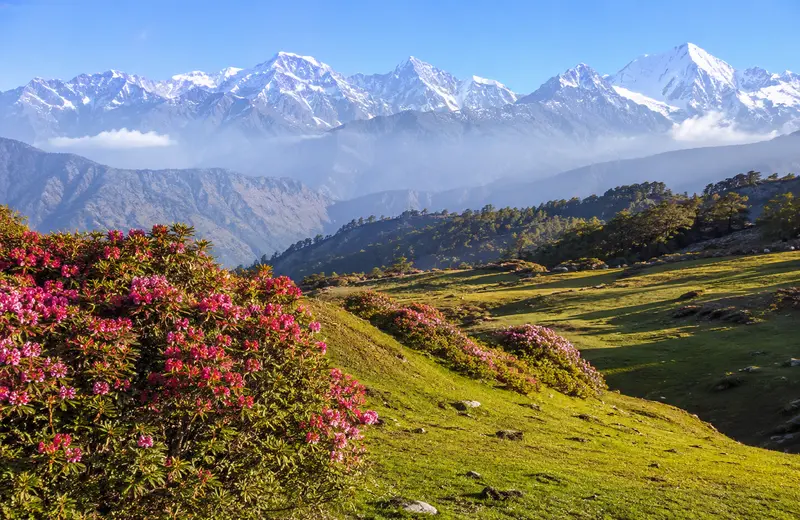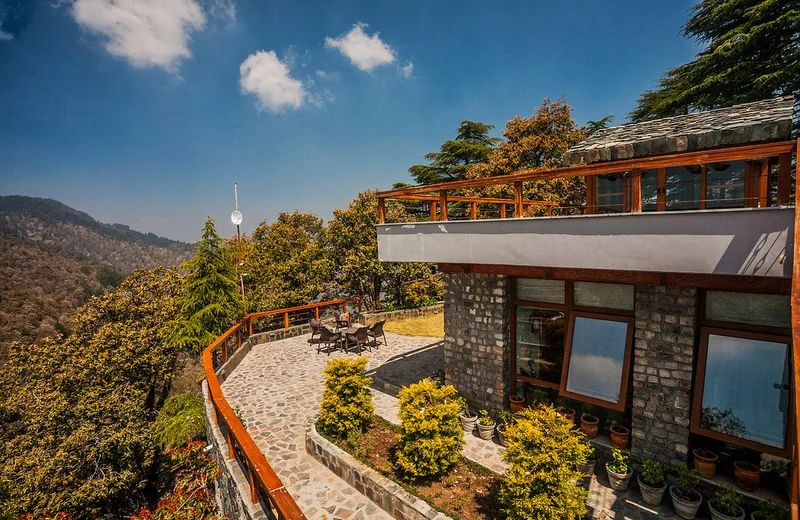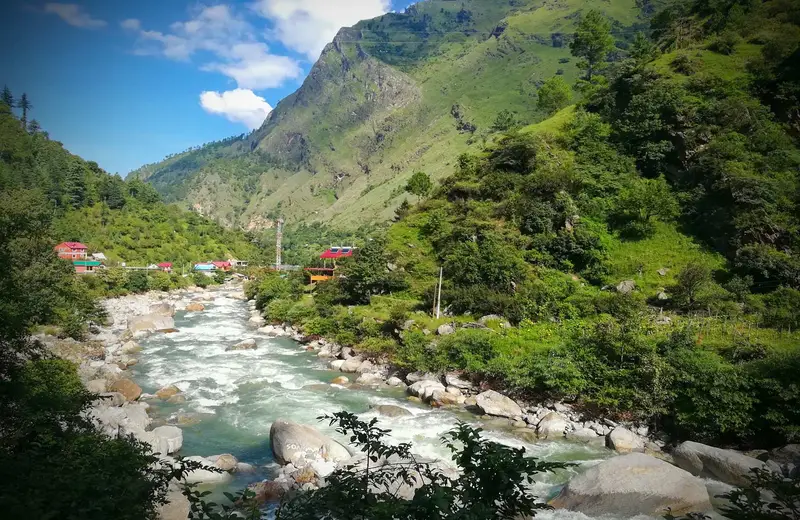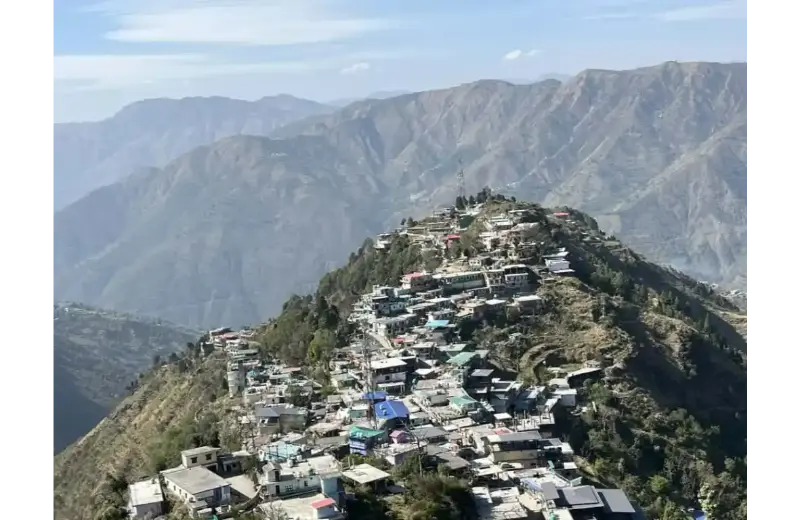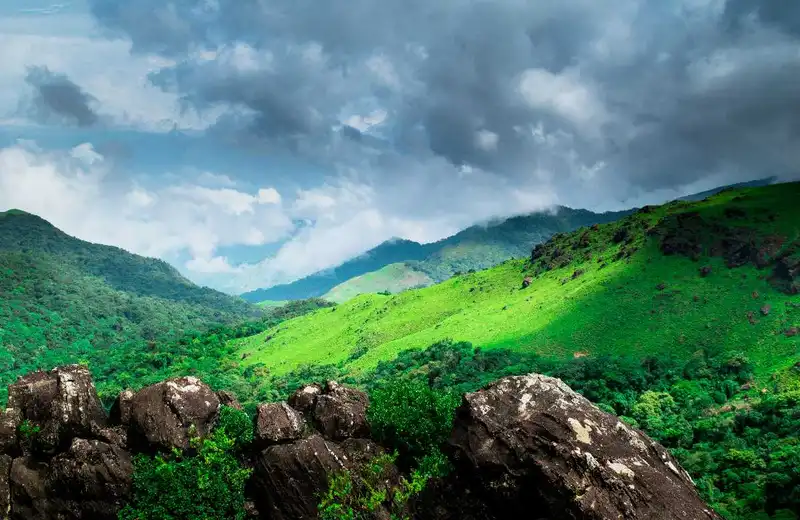
Coorg doesn't have a railway station, and it doesn't have an airport either. To get there, you cross into the Western Ghats on a road that keeps climbing until the air smells like wet earth and roasted coffee at the same time. Officially called Kodagu, this district in southwestern Karnataka has built its entire economy around coffee for well over a century, and that fact shapes almost everything a visitor actually does here: walking through estate rows, watching beans dry on raised tables, drinking something brewed an hour earlier rather than a year ago.
This guide covers what a first trip to Coorg needs: the coffee estates worth touring, the waterfalls and viewpoints that don't require a full day, how to actually get there, and what Kodava food looks like on a plate.
Here's the shape of a Coorg trip at a glance.
| What to Know | Details |
|---|---|
| Best time to visit | October to March; coffee harvest runs October to January |
| Nearest airport | Kannur International Airport, Kerala, roughly 85–115 km away |
| Nearest railway station | Mysuru Junction, about 95–120 km away |
| From Bangalore | 260–275 km by road, 5–7 hours depending on route |
| Main towns | Madikeri (district headquarters), Kushalnagar, Virajpet, Somwarpet |
| Minimum time needed | 3 days; 4–5 to cover waterfalls, wildlife, and a proper estate tour without rushing |
Best Time to Visit Coorg
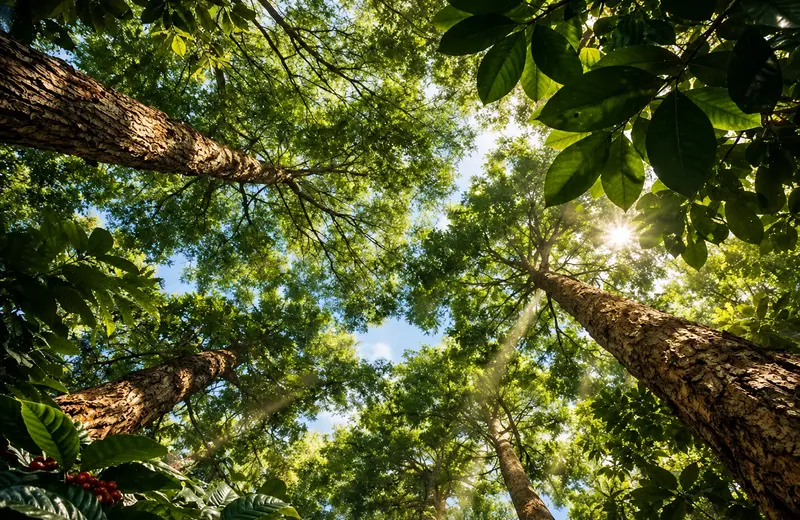
October through March covers the most comfortable window, with daytime temperatures generally staying mild and rainfall dropping off after the monsoon retreats. This period also overlaps with the coffee harvest, which runs roughly October to January, meaning estate tours during these months often catch actual picking and processing rather than just static rows of shrubs.
Weekends and long weekends draw heavy traffic from Bangalore, given the city's proximity, and prices at homestays and resorts climb accordingly. Visiting on weekdays, even in peak season, cuts both the crowds and the cost noticeably.
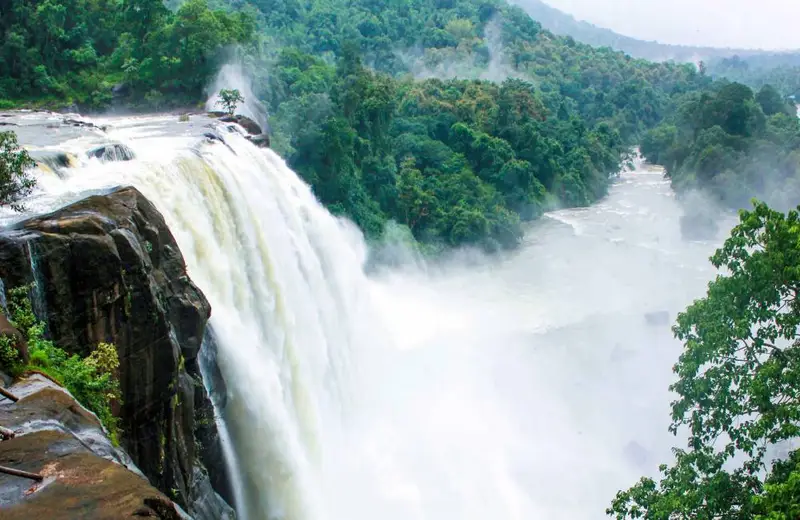
Monsoon, roughly June through September, turns Coorg dramatically green and swells its waterfalls to their most powerful, particularly Abbey Falls and Iruppu Falls, but it also makes trekking routes slippery and some roads difficult. April and May bring the hottest, driest stretch of the year, still cooler than the plains below but less appealing than the winter months for extended outdoor time.
How to Reach Coorg
Kodagu district has neither an airport nor a railway station of its own, so every route into Coorg involves at least one connecting leg. Kannur International Airport in Kerala is generally the closest air option, roughly 85 to 115 kilometres away depending on the exact town in Coorg, translating to a 2.5 to 3.5-hour taxi ride. Mangalore International Airport sits a bit further at around 140 to 165 kilometres, while Bengaluru's Kempegowda International Airport, though considerably farther at 260 to 270 kilometres, offers by far the widest range of flight connections and includes a direct KSRTC "FlyBus" service to Madikeri that takes roughly six hours.
By train, Mysuru Junction is the standard entry point, sitting about 95 to 120 kilometres from Coorg's main towns and reachable by frequent trains from Bangalore, Chennai, and other major cities. From Mysuru, KSRTC and private buses run regularly to Madikeri, and the drive itself takes around two to three hours through Kushalnagar. Travelers driving directly from Bangalore typically take the NH275 route via Mysore, covering roughly 260 to 275 kilometres in five to six hours, or the slightly longer Channarayapatna route via NH75.
For those weighing Coorg against other Karnataka getaways reachable from Bangalore, it's worth noting that this guide to Nandi Hills covers a much shorter, single-day option if time is tight, while Coorg rewards a proper multi-day trip. Travelers continuing on to coastal Karnataka afterward might also find this guide to reaching Gokarna from Bangalore by bus useful, since both destinations share Bangalore as a common gateway city.
Coffee Estates and Plantation Tours
Coffee is the reason Coorg looks the way it does, and touring an estate is close to mandatory for a first visit rather than an optional add-on. The district sits at an elevation of roughly 900 to 1,150 metres, and its combination of red laterite soil, heavy rainfall, and shade-grown cultivation under silver oak and rosewood canopies produces both Arabica and Robusta beans with a distinct, often-cited depth of flavour.
Most estate tours follow a similar pattern: a guided walk through the rows explaining cultivation and harvesting, a stop to see the drying and processing setup, and a tasting at the end, sometimes paired with a small museum covering coffee's journey from Africa to India. Tata Coffee's plantation in Pollibetta is among the larger, more established operations open to visitors, while smaller family-run estates around Madikeri and Kushalnagar tend to offer a more personal, unhurried version of the same experience. Entry typically runs a modest per-person fee, and tours generally last one to two hours.
Beyond coffee itself, most estates also grow black pepper, cardamom, and cinnamon interplanted among the coffee bushes, and many sell all three alongside freshly ground coffee at small on-site shops, making a stop here as much a shopping errand as a sightseeing one.
Waterfalls, Viewpoints and Treks
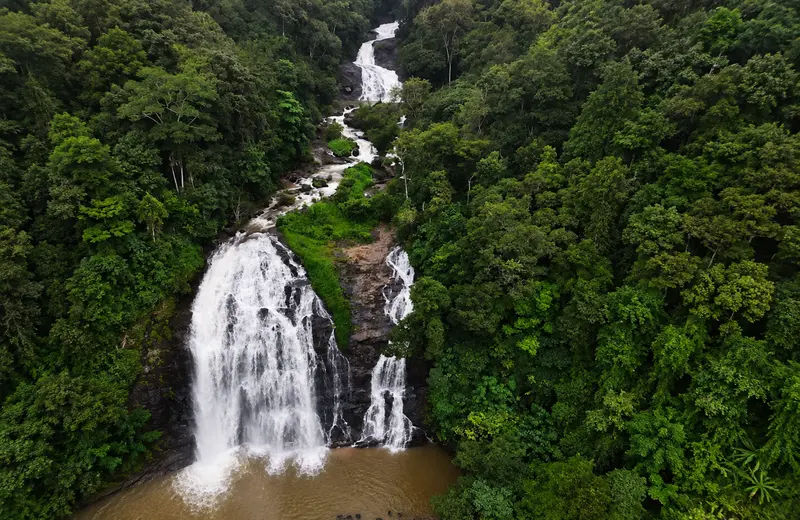
Abbey Falls, close to Madikeri, is the most visited waterfall in the district, dropping around 70 feet through a gorge surrounded by coffee plantations, with a hanging bridge nearby offering a solid vantage point for photos. Iruppu Falls, tucked into the Brahmagiri Hills further south, carries deeper religious significance for many visitors and tends to be less crowded than Abbey. Mallalli Falls, reached via a narrow road cutting through hills and estates, rewards the slightly longer drive with one of the more dramatic settings in the district.
Raja's Seat, a garden viewpoint in Madikeri, is where locals and visitors alike gather for sunset, watching mist settle over the valley below as the light fades. Mandalpatti Peak, at around 1,600 metres, requires either a rugged jeep ride over genuinely poor roads or a hired driver experienced with the terrain, followed by a short walk to the summit; the 360-degree view at the top is generally considered worth the rough approach. Tadiandamol, Coorg's highest peak at roughly 1,748 metres, is a moderate trek of about four kilometres one-way, climbing through forest and coffee estate before opening onto views across the Western Ghats and Pushpagiri Wildlife Sanctuary; the climb typically takes five to six hours round trip and starts early to beat the mist.
Estate jeep safaris usually cost a modest per-person rate arranged through your homestay, while shared jeeps to Mandalpatti run considerably higher given the difficulty of the route. Private vehicles are best avoided on the Mandalpatti road unless the driver has specific experience with it.
Wildlife and Nature
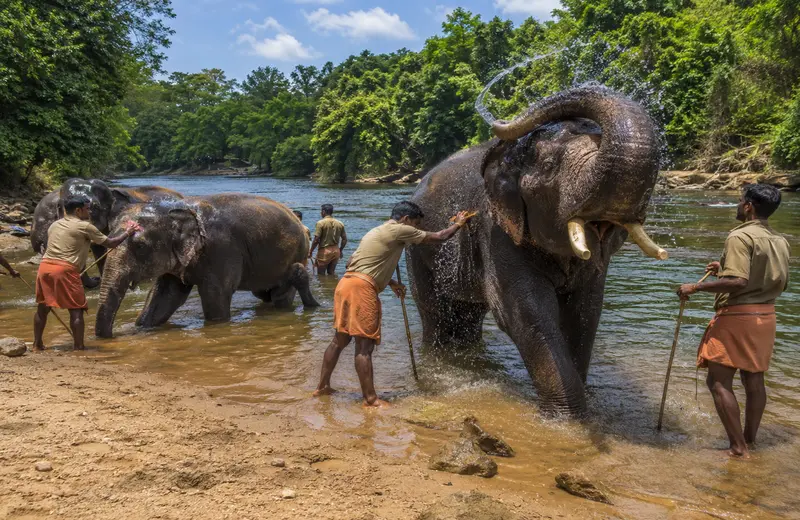
Dubare Elephant Camp, on the banks of the Kaveri River, gives visitors a close-up look at working elephants, including opportunities to assist with feeding and bathing under supervision; reaching it involves a short boat crossing that's part of the experience itself. Talacauvery, further into the hills, marks the traditional origin point of the Kaveri River and combines a modest pilgrimage site with genuinely striking views across the Brahmagiri range.
Nagarhole National Park, also called Rajiv Gandhi National Park, spans roughly 571 square kilometres across Coorg and neighbouring Mysuru district and forms part of a larger protected corridor connecting to Bandipur and Wayanad. Originally the hunting ground of the Mysore royal family before its conversion to a sanctuary in the 1950s, it now holds tigers, leopards, elephants, and a substantial bird population, with jeep safaris departing from designated gates. For travelers curious how this compares to Karnataka's other protected areas, this guide to Bannerghatta National Park covers a very different, far more accessible wildlife option closer to Bangalore.
Culture and Local Life
Coorg's identity is inseparable from the Kodava community, whose customs, martial history, and distinctive dress set the region apart from the rest of Karnataka. The Kodava saree, draped with pleats gathered at the back and the pallu brought over the shoulder rather than the front, is one of the more visible markers of this, particularly during local festivals and weddings.
Bylakuppe, a Tibetan settlement not far from Kushalnagar, adds an entirely different cultural layer. Namdroling Monastery here, home to thousands of monks and novices, draws visitors for its golden statues and genuinely active monastic community rather than as a museum piece. Back in Madikeri, the old fort and the nearby Omkareshwara Temple, built in the early 1800s with an unusual blend of Islamic and Hindu architectural elements, round out a light half-day of sightseeing in the town itself.
Food to Try in Coorg
Kodava cuisine is distinct from the rest of Karnataka, built around pork, rice, and bamboo rather than the more familiar South Indian staples found elsewhere in the state. Pandi curry, a dark, tangy pork preparation using a souring agent called kachampuli unique to the region, is the dish most associated with Coorg specifically. Akki roti, a rice-flour flatbread, and kadambuttu, steamed rice dumplings, are typically served alongside curries as the everyday starch. Noolputtu, a delicate rice noodle, and baimbale curry, made from tender bamboo shoots, round out a meal that looks and tastes noticeably different from standard Karnataka fare.
Coorg's food identity extends beyond cooked meals too. Locally produced honey, sold through cooperative societies around Madikeri, is considered some of the purest available in the state, and the region's orange marmalade, made from fruit grown in its own orchards, is a common souvenir alongside ground coffee and raw spices.
Budget and Practical Costs
Coorg spans a fairly wide budget range depending on where and how you stay. Basic homestays, often on working coffee estates and run by local families, offer some of the most genuinely immersive stays in the district at reasonable nightly rates, while resorts closer to Madikeri and larger properties near Kushalnagar push into a considerably higher bracket, particularly during peak weekends.
Transport within Coorg adds up faster than accommodation for travelers without their own vehicle, since taxis and hired drivers are the main way to reach spread-out attractions like Talacauvery or Nagarhole. Estate tours, waterfall entry, and monastery visits are individually inexpensive, generally a modest fee each, but a full itinerary covering several of these across three or four days benefits from budgeting for a driver for at least part of the trip rather than arranging transport site by site.
Travel Tips
Coorg's hill roads are narrow, winding, and occasionally in poor condition, particularly toward Mandalpatti and some of the more remote waterfalls, so a driver familiar with the terrain matters more here than in flatter parts of Karnataka. Weekday visits noticeably reduce both traffic and crowding at the main sights, since Coorg's proximity to Bangalore makes it a default weekend destination for a large share of its visitors.
Pack for genuine temperature swings: warm evenings, particularly at higher elevations like Mandalpatti or during winter nights in Madikeri, contrast with pleasantly warm afternoons, so layers work better than committing to one seasonal wardrobe. Coorg has also become a popular base for remote workers taking extended stays in cooler climates; for anyone considering combining sightseeing with a longer working stint, this guide to hill stations with reliable internet is a useful reference point before committing to a homestay for several weeks.
Shopping and Souvenirs
Madikeri's main market streets are the easiest place to pick up what Coorg actually produces rather than generic tourist merchandise. Ground coffee, sold both plain and in flavoured variants, is the obvious first stop, and most estates sell their own beans directly at prices noticeably lower than what the same coffee fetches once it reaches a city supermarket shelf. Coorg's Progressive Bee Keepers' Co-operative Society sells honey collected from the district's forests, distinct from the more processed honey found in most Indian cities, and small bottles travel well without much risk of leaking.
Spices bought loose from local shops, particularly black pepper, cardamom, and cinnamon, tend to be fresher and considerably cheaper than pre-packaged versions sold elsewhere, though it's worth confirming with the shopkeeper which spices are actually grown locally versus brought in from outside the region. Orange marmalade, made from Coorg's own citrus orchards, rounds out a fairly compact list of souvenirs that reflect the district's produce rather than mass-manufactured trinkets.
A Simple Three-Day Plan
Day one centres on Madikeri itself: the old fort, Omkareshwara Temple, Raja's Seat for sunset, and an evening settling into a homestay or estate stay. Day two is built around a coffee estate tour in the morning, followed by Abbey Falls on the way back into town, and an afternoon or early-evening drive out to Dubare Elephant Camp if timing allows, since the elephant interactions typically run on a morning-to-early-afternoon schedule.
Day three works well as either a wildlife day at Nagarhole for those prioritizing a safari, or a nature-and-culture day combining Talacauvery, Bylakuppe's Namdroling Monastery, and Iruppu Falls for those who'd rather stay closer to the hills. Travelers with a fourth day and a reasonable fitness level should consider adding the Tadiandamol trek, ideally starting at dawn before the mist rolls in.
The Bottom Line
Coorg rewards a slower pace than most travelers initially plan for. The coffee estates, waterfalls, and wildlife corridors are genuinely spread out across the district, and rushing between them on a tight schedule undercuts exactly what makes the region worth visiting in the first place: the quiet, the smell of drying coffee, the unhurried rhythm of a place that still runs on its harvest calendar. For a broader sense of how Coorg fits among India's other hill destinations, this list of underrated Indian hill stations offers some useful context on where it stands. Book accommodation early for weekends and the harvest season specifically, and budget more driving time than maps suggest, given the terrain.