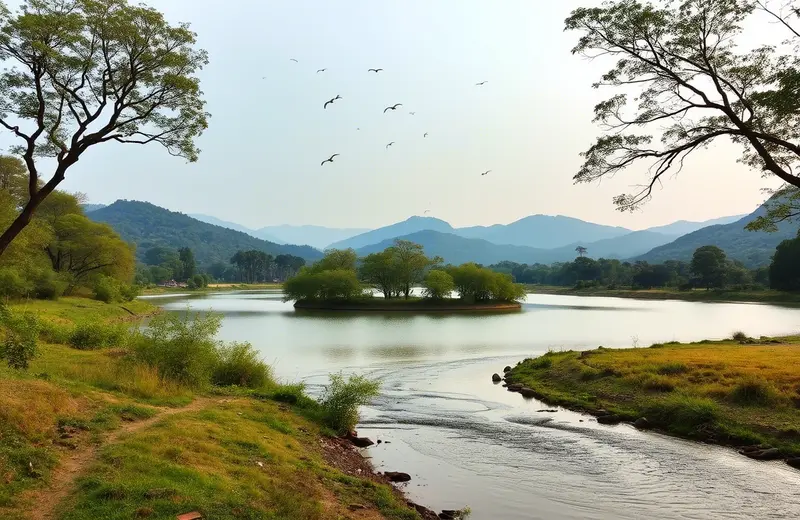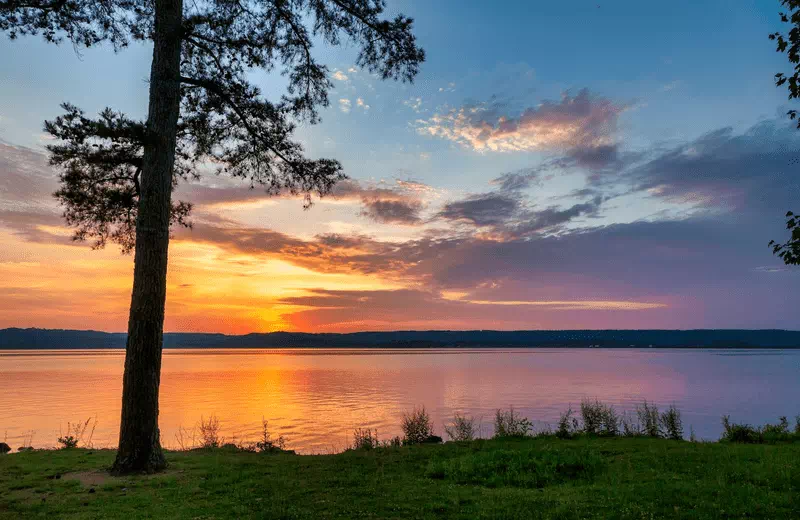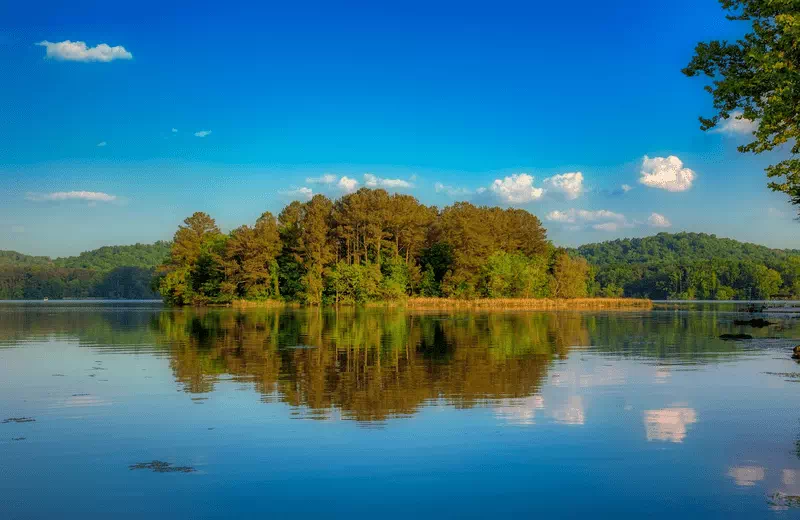
Pushkar sits in a bowl of the Aravalli hills, wrapped around a lake that Hindus believe formed from a lotus petal dropped by Brahma himself. For most of the year, it's a quiet pilgrimage town where sadhus climb a hilltop temple at dawn and rooftop cafes serve cappuccinos to travelers who came for one night and stayed a week. For a few days every November, it becomes something else entirely: one of the largest livestock fairs on the planet, with tens of thousands of camels, horses, and traders filling the desert on its edges.
This guide covers Pushkar in both registers, the quiet pilgrimage town and the camel fair spectacle, along with the practical details that make the difference between a smooth trip and a frustrating one: how to reach it, what the ghats actually require of visitors, and when to go for which version of the town.
Here's the shape of a Pushkar trip at a glance.
| What to Know | Details |
|---|---|
| Best time to visit | October to March; camel fair falls in November |
| From Jaipur | About 145 km, roughly 2.5 hours by road |
| Nearest railway station | Ajmer, about 11 km away |
| Nearest airport | Jaipur, or Kishangarh (Ajmer) for shorter flight connections |
| Minimum time needed | 1–2 days outside fair season; 4–5 days during the Camel Fair |
| Town rules | Vegetarian only; no alcohol, meat, or eggs anywhere in town |
Best Time to Visit Pushkar
October through March brings Pushkar's most comfortable weather, cool enough for long walks around the lake and the surrounding hills without the desert heat that dominates the rest of the year. Within that window, the Pushkar Camel Fair, or Pushkar Mela, is the town's defining event, falling during the Hindu month of Kartik and culminating on Kartik Purnima, the full moon night, typically in November.
Visiting outside the fair, roughly December through October, gives a genuinely different experience: quieter ghats, lower accommodation prices, often 50 to 70 percent below fair-period rates, and a chance to watch daily rituals without a crowd competing for the same view.
Summer, April through June, pushes temperatures high enough to make sightseeing genuinely uncomfortable outside the early morning and evening hours, though the town's practical rhythm shifts accordingly: ghats and temples by 6 to 8 AM, shelter through the hottest hours, and a return to the lakeside for the evening aarti once the heat breaks.
How to Reach Pushkar
Jaipur, roughly 145 kilometres away and about a 2.5-hour drive, has Rajasthan's main international airport and is the most common entry point for travelers arriving by air. Kishangarh, closer to Ajmer, offers a smaller airport with more limited connections but a considerably shorter drive for those who can find a matching flight.
By train, Ajmer Junction, about 11 kilometres from Pushkar, is the nearest railway station and connects well to Delhi, Jaipur, and other major Rajasthan cities, with taxis and buses covering the short remaining distance into town. By road, Pushkar connects easily to Jaipur, Udaipur, and Jodhpur, making it a natural stop on a broader Rajasthan circuit rather than a standalone destination.
For travelers building exactly that kind of circuit, Udaipur is a common pairing; this two-day Udaipur itinerary and this guide to timing an Udaipur visit both help slot the city into the same trip. Travelers curious about Rajasthan's desert and wildlife landscape beyond Pushkar might also find this guide to Rajasthan's national parks useful, since the Thar Desert's ecosystem, including the Desert National Park near Jaisalmer, shares much of the same arid character as the land surrounding Pushkar.
Pushkar Lake and the 52 Ghats
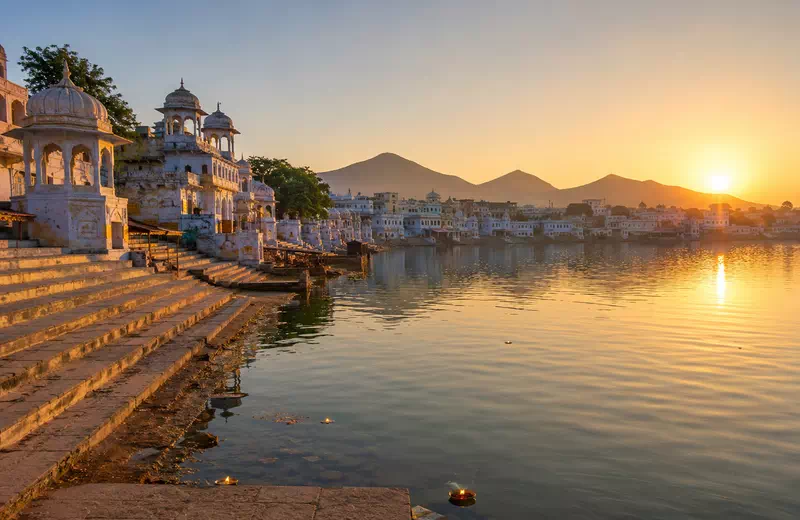
Pushkar Lake is the reason the town exists, ringed by 52 ghats, each with its own name, history, and specific ritual significance to different communities and pilgrim groups. Hindus consider a bath here spiritually purifying, particularly on Kartik Purnima, and the ghats fill with pilgrims well before dawn on significant dates, performing simple offerings and lighting lamps after bathing.
Varah Ghat, one of the more photogenic spots along the lake, draws a steady stream of photographers, while the lakeside aarti, performed at dusk with lamps and chanting, is one of the more accessible rituals for visitors to observe respectfully from the ghat steps without disrupting the pilgrims actually participating. Boat rides are also available on the lake for a calmer, more distant view of the ghats and their surrounding architecture.
Shoes and leather items must be removed before approaching any of the bathing ghats, a rule enforced consistently regardless of how quiet or crowded a particular ghat looks at the time.
Brahma Temple and Savitri Temple
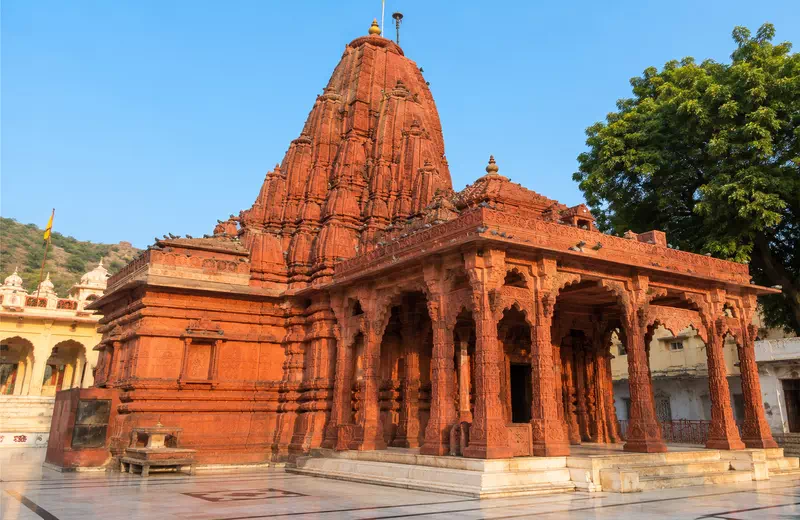
The Jagatpita Brahma Mandir, generally just called the Brahma Temple, is among the very few temples anywhere dedicated specifically to Brahma, the creator deity in Hindu cosmology, and its rarity is a large part of why Pushkar draws pilgrims from across the country. Local tradition holds that Brahma himself selected this exact site, and the temple's red sandstone facade and detailed carvings reflect its status as a genuinely significant pilgrimage destination rather than a minor stop.
A steep but manageable hike up Ratnagiri Hill leads to Savitri Temple, dedicated to Brahma's consort, and the climb rewards visitors with a wide view across the lake, the town, and the surrounding desert, particularly striking at sunrise before the heat sets in and before the trail sees much foot traffic. Gayatri Temple, on a neighbouring hilltop, offers a similar hike and view for travelers with time for a second climb.
The Pushkar Camel Fair
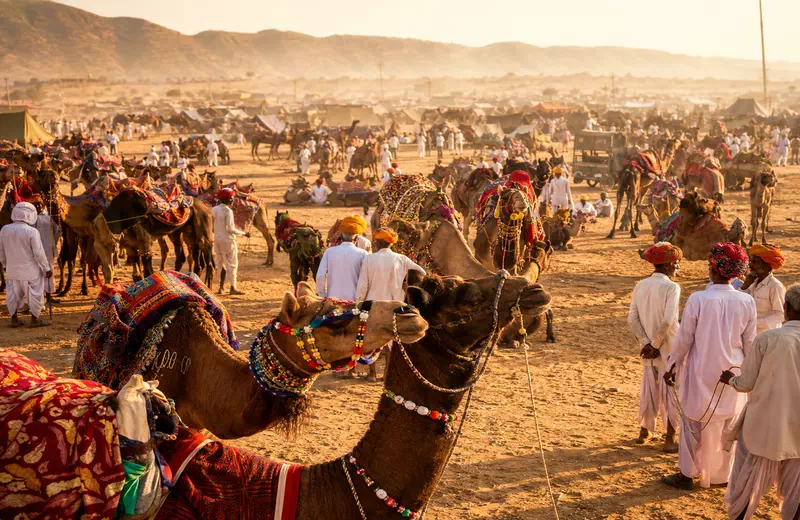
What began as a straightforward livestock trading event, coinciding with the same Kartik Purnima pilgrimage that draws bathers to the lake, has grown over the past century into one of the largest cultural spectacles in Rajasthan. More than 50,000 camels, horses, and cattle change hands during the fair, alongside a parallel program of cultural events, adventure activities, and religious observance that now draws as many visitors for the spectacle as for the trade itself.
The fair's rhythm splits fairly cleanly across its roughly week-long run. The opening days lean toward livestock trading and rural competitions, including camel races, decoration contests, and the turban-tying and moustache competitions the fair has become somewhat famous for internationally. The closing days shift toward religious observance, culminating in the mass holy bath at the lake on Kartik Purnima itself, alongside lakeside aarti and lamp offerings that draw enormous crowds after dark. Hot air balloon rides over the fairground, typically offered at sunrise or sunset, give a genuinely different vantage point on the scale of the event, and folk performances, including Kalbelia dance, run through the evenings on the fairground's main stage.
Trading and living quarters for herders sit largely outside the main town, toward the desert at the foot of Ratnagiri Hill, so first-time visitors expecting camels wandering through Pushkar's narrow lanes should adjust that expectation; the fairground itself is a separate, walkable area a short distance from the lake.
Food and Market Shopping
Pushkar's food identity is shaped directly by its status as a sacred, vegetarian town: no meat, eggs, or alcohol is served anywhere within its limits, a rule taken seriously rather than treated as a loose guideline. Dal bati churma, a classic Rajasthani combination of lentils, baked wheat balls, and a sweet crumbled wheat dish, is the regional staple worth seeking out, alongside pyaaz ki kachori, a fried onion-stuffed pastry sold from stalls throughout the market, and malpua or ghewar, sweet options for finishing a meal.
Sadar Bazaar, the town's main market street, is where most shopping happens: silver jewellery, camel leather goods, leheriya-print dupattas, and hand-woven rugs are the recurring items worth browsing, with prices and quality varying enough between stalls that comparing a few before buying pays off. Bargaining is standard practice here, as in most Rajasthan markets, and starting a conversation about a piece's origin often gets further with a shopkeeper than jumping straight to a price negotiation. The rooftop cafe culture that has grown up around the lake, aimed largely at long-staying international travelers, adds an entirely different register to the food scene: extensive vegetarian menus, lake views, and a slower pace that contrasts with the market's bustle.
Ajmer Sharif and Nearby Detours
Ajmer Sharif Dargah, about 15 kilometres from Pushkar, is the shrine of the Sufi saint Moinuddin Chishti and one of the most significant Islamic pilgrimage sites in India, drawing devotees regardless of religious background. Pairing it with a Pushkar visit gives travelers a genuinely different spiritual register within the same short trip, and the drive between the two is straightforward enough to manage as a half-day excursion.
Travelers seeking a broader sense of India's spiritual and pilgrimage landscape beyond Pushkar and Ajmer specifically might find this roundup of spiritual retreats across India useful for planning further stops on a longer trip.
Camel Safaris and the Surrounding Desert
Pushkar's edge dissolves fairly quickly into open desert and scrubland, and a camel safari into this landscape is one of the more popular add-ons regardless of when you visit. Shorter rides, an hour or two around sunset, cover the dunes closest to town and give a taste of the desert light without much commitment, while longer safaris, sometimes extending to an overnight stay in a desert camp, push further out and typically include a campfire dinner and folk music once the sun goes down.
Guesthouses across town arrange these safaris routinely, and prices vary mainly by duration and whether an overnight stay is included rather than by any significant difference in the experience itself. The best light for photographing the ride comes in the hour before sunset, when the sand takes on a warm gold cast that flattens out considerably once the sun is fully down.
Photography around Pushkar generally rewards patience over volume: the ghats and temple architecture photograph best in the soft light just after sunrise, before the day's heat and crowds fully arrive, while the desert safari and dunes work better closer to sunset. As with the ghats themselves, asking before photographing people directly, rather than assuming it's fine because a scene looks picturesque, remains the standard courtesy throughout town.
Budget and Practical Costs
Pushkar remains genuinely affordable outside the Camel Fair window, with basic guesthouses, simple meals, and local transport all priced well below what similar experiences cost in more commercialized parts of Rajasthan. During the fair itself, prices climb sharply, and accommodation in particular can run 50 to 70 percent higher than the rest of the year, making advance booking, ideally months ahead for fair dates, considerably more important than for an ordinary visit.
Entry to the Brahma Temple and most ghats is free, though donations are commonly offered at temples and during rituals. Camel safaris into the surrounding dunes, a popular add-on regardless of season, are priced reasonably and widely available through guesthouses, with costs varying based on duration and whether the safari includes an overnight desert camp.
Travel Tips and Etiquette
Modest dress, covering shoulders and knees, matters throughout Pushkar but especially near the temples and ghats, and shoes come off before entering the Brahma Temple or approaching any bathing ghat. Photographing pilgrims, herders, and their animals without asking first is generally considered poor form here, particularly around the ghats and during religious rituals, and a quick request usually gets a friendly response rather than a refusal.
Given the town's strict vegetarian, alcohol-free status, travelers looking for a drink or a non-vegetarian meal will need to wait until leaving Pushkar's limits, since this rule applies uniformly rather than varying by establishment. During the Camel Fair specifically, arriving a day or two before the official start gives a noticeably calmer window to see the religious sites and get oriented before the main crowds and trading activity intensify.
A Simple Two-Day Plan
Day one covers the town's spiritual core: Brahma Temple in the morning, followed by a walk along several of the 52 ghats, lunch at a rooftop cafe overlooking the lake, and an afternoon browsing Sadar Bazaar before returning to the lakeside for the evening aarti. Day two starts early with the hilltop trek to Savitri Temple for sunrise views, followed by Varah Ghat and a slower morning around the lake, with the afternoon left open for either a camel safari into the surrounding desert or the half-day trip to Ajmer Sharif Dargah.
Travelers visiting specifically for the Camel Fair should extend this to four or five days, arriving a day or two ahead of the official start for a quieter look at the religious sites before staying through the trading period and the Kartik Purnima climax.
The Bottom Line
Pushkar's dual identity, sacred pilgrimage town and one of the world's great livestock fairs, is genuinely one destination rather than two competing ones; the same lake that draws pilgrims at dawn hosts the fair's religious climax on Kartik Purnima. Visit outside November for the quieter, more contemplative version of the town, or commit to four or five days during the fair itself to see both the trading spectacle and the pilgrimage side properly. Book accommodation well ahead for fair dates specifically, and treat the town's vegetarian, alcohol-free rules as fixed rather than negotiable.