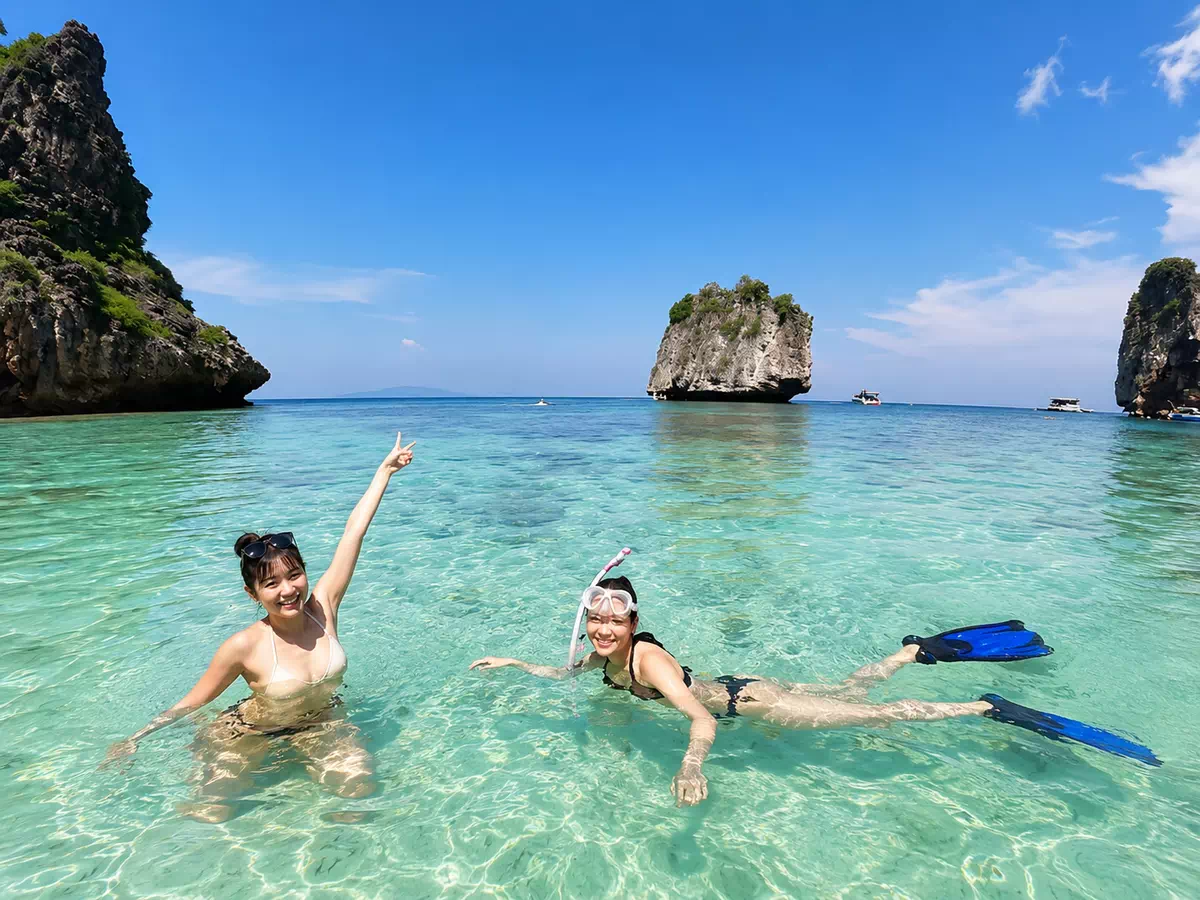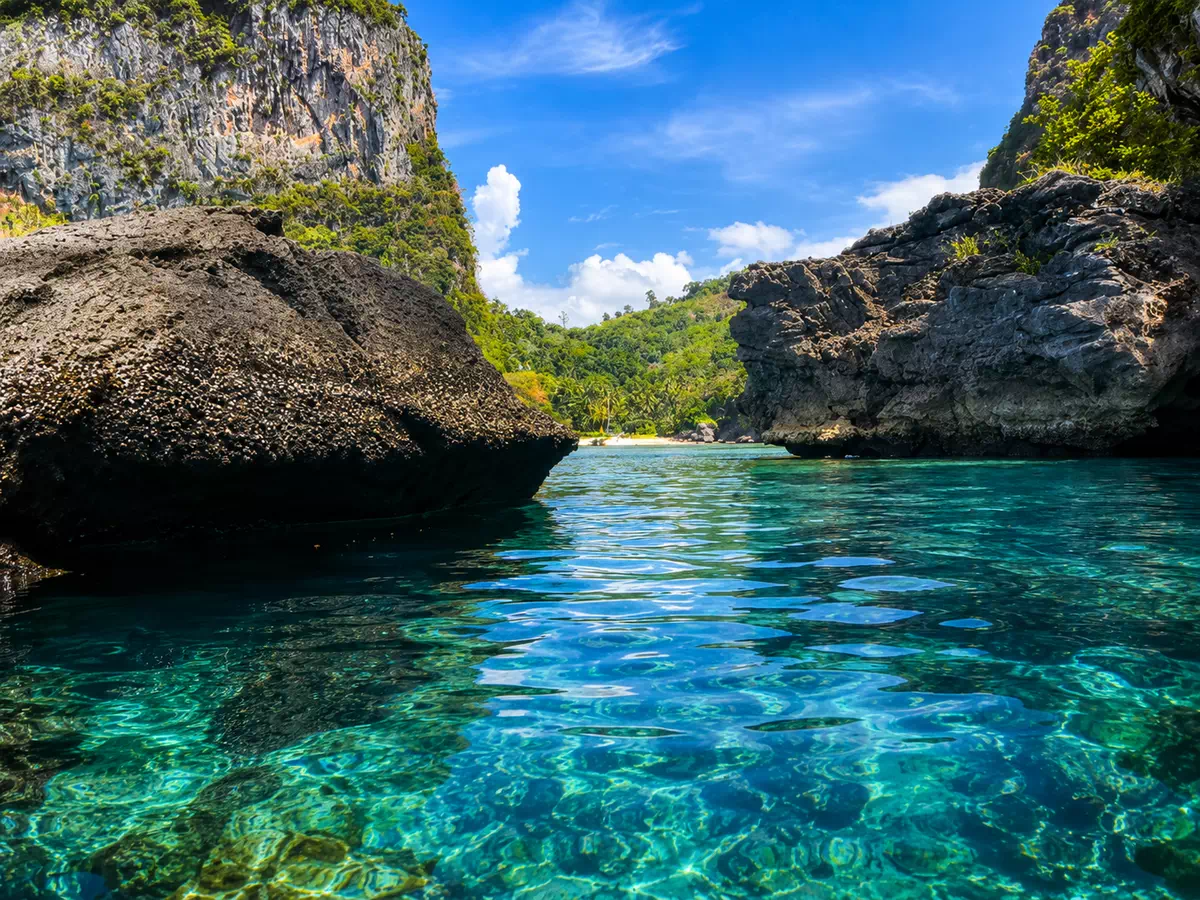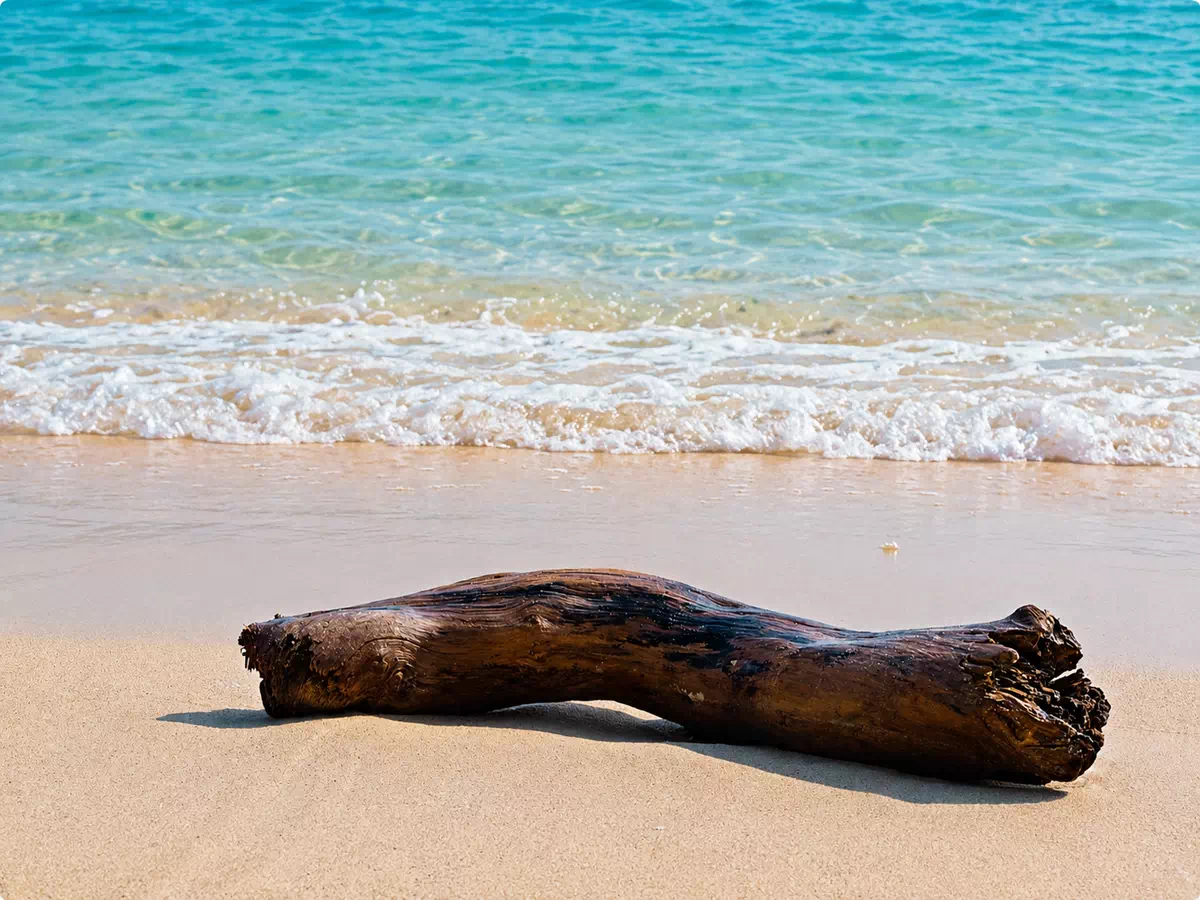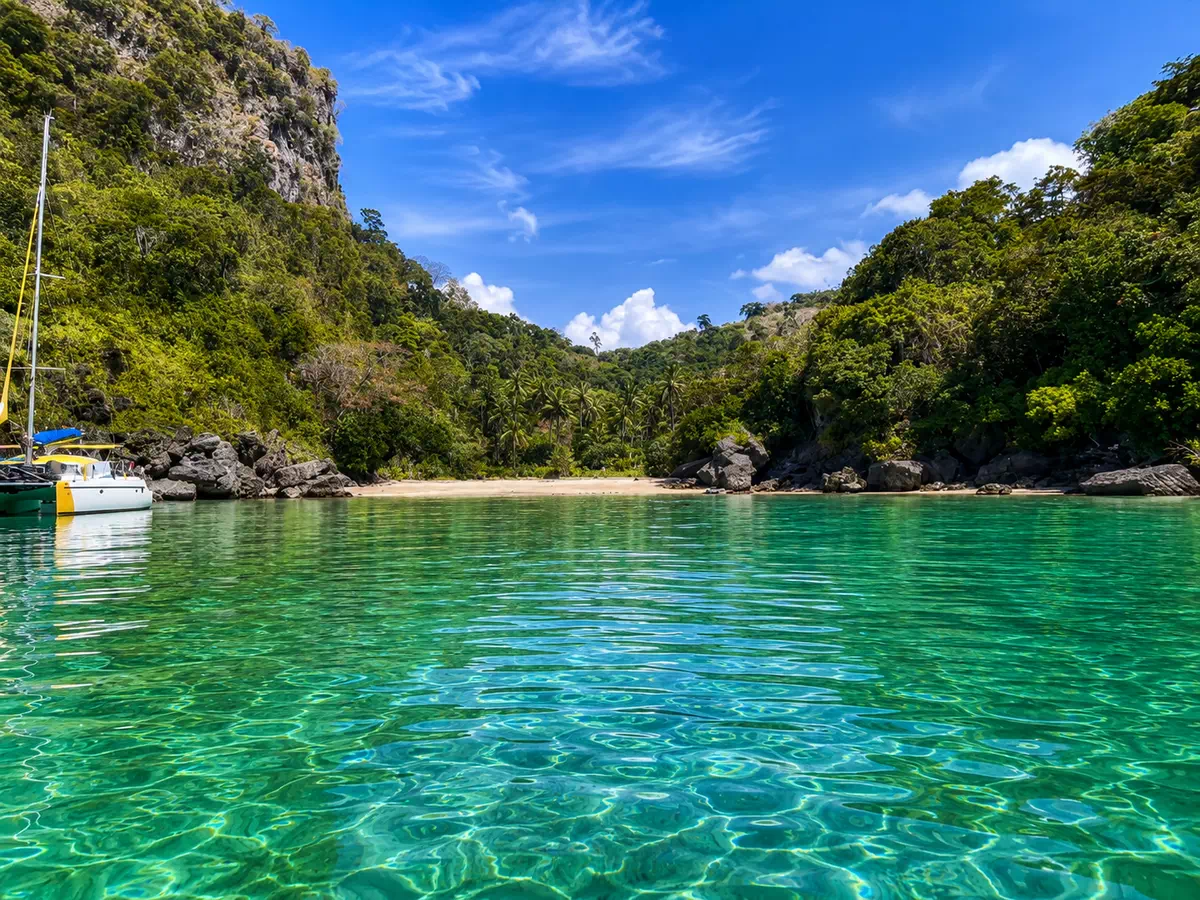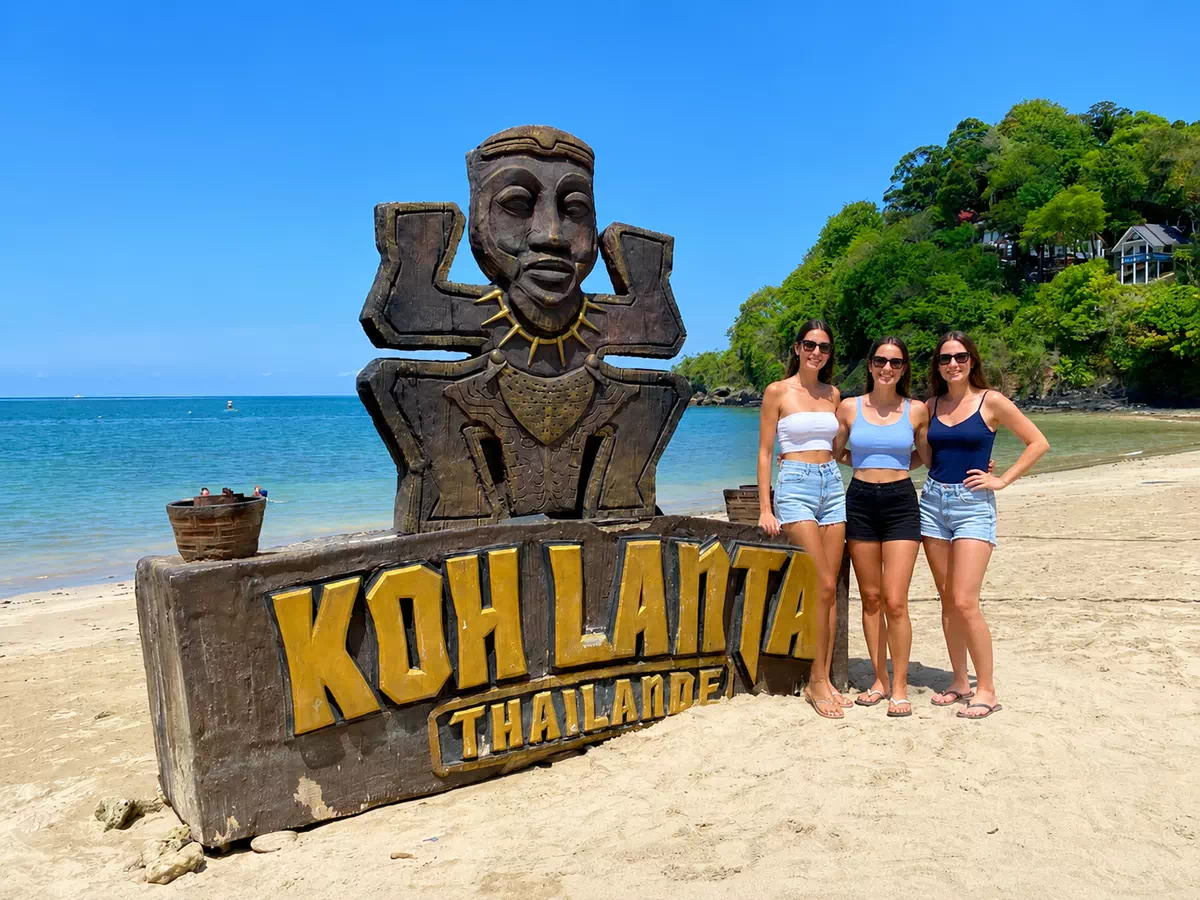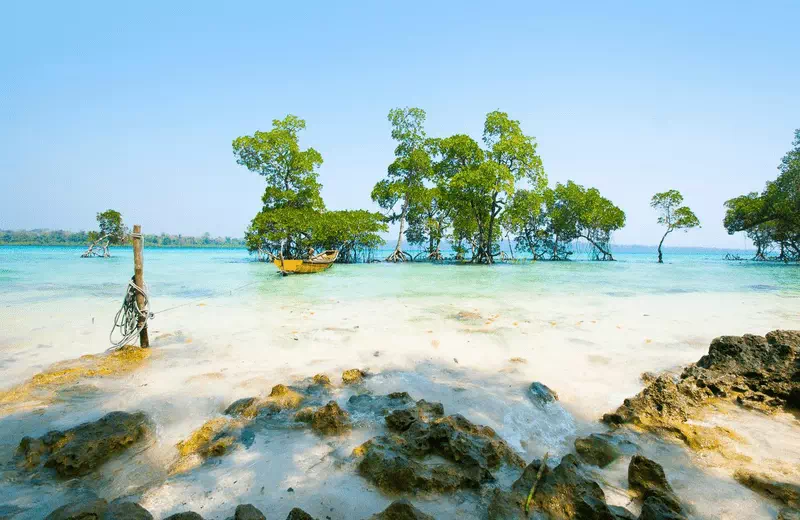
Krabi sends most of its visitors to the same few postcards: the limestone towers of Railay, the lagoons of Phi Phi, the longtail crush at Ao Nang. Koh Lanta sits just south of all that and quietly does the opposite. It is a long, narrow island where the main road runs down a string of west-facing beaches, the sunsets go on forever, and nobody seems to be in a hurry. People come for a few days and end up rebooking their flights. This guide walks you through when to go, how to get there, which beach suits you, and what to do once the novelty of doing nothing wears off.
A slow, beach-strung island in the Andaman Sea where Krabi finally exhales: long sands, easy sunsets, and a pace that talks you into staying longer.
| At a glance | Details |
|---|---|
| Where | Krabi Province, Andaman coast, southern Thailand |
| The island | Koh Lanta Yai, the main island, about 25 km long |
| Nearest airport | Krabi International (KBV), roughly 70 km away |
| Getting there | Road plus a short car ferry and a bridge, or a high-season boat |
| Main town | Saladan, in the north, where most transport arrives |
| Best for | Slow beach days, sunsets, diving, families, longer stays |
| Best season | Dry months, roughly November to April |
| Getting around | Rented scooter, songthaew, or hired car |
Why Koh Lanta Feels Different
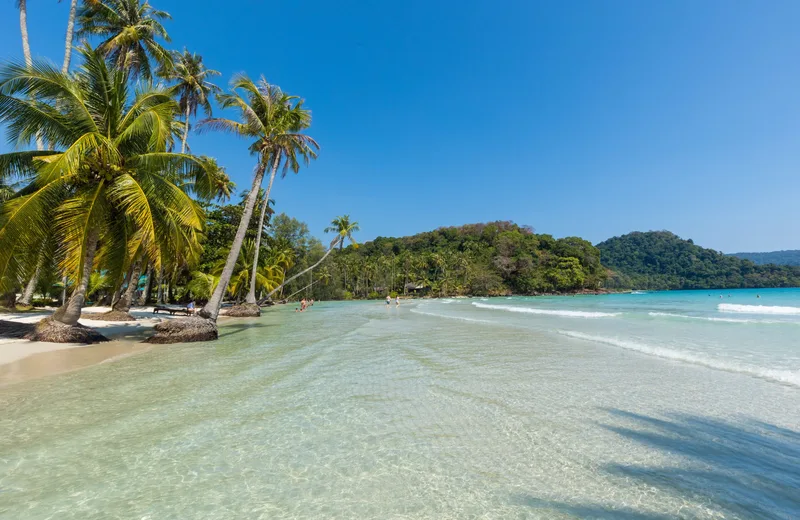
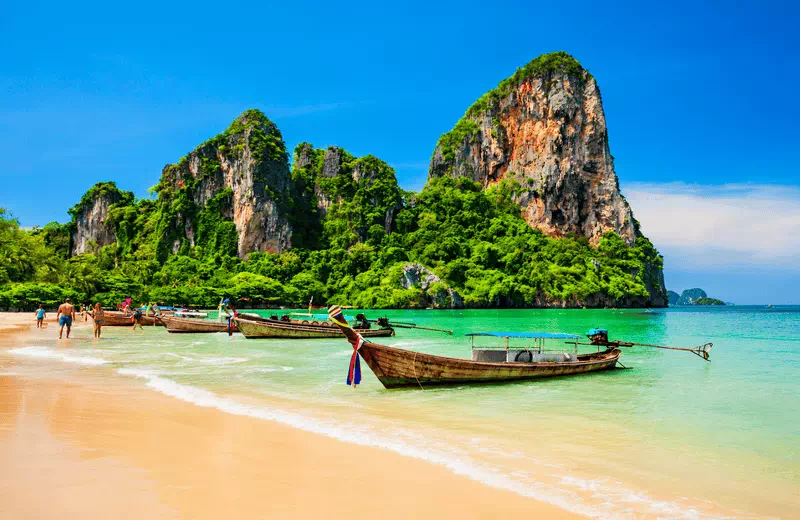
Lanta started out as a backpacker island and never fully shook the habit, even as smarter resorts moved in. The result is a place with range. You can sleep in a 300-baht bamboo hut at Klong Khong or a clifftop suite above Kantiang Bay and both feel like they belong. The beaches run for kilometres without a jet ski in sight, the bars string up fairy lights and light bonfires after dark, and the loudest thing on most nights is the surf.
It helps that the island is big enough to spread people out. The west coast is one beach after another, the east coast keeps its old Muslim and sea-gypsy fishing villages and mangroves, and the southern tip drops into a national park. You are never fighting for space the way you might on Phi Phi.
Best Time to Visit Koh Lanta
The island has two clear gears. The dry season, roughly November to April, is when Lanta is at its best: calm seas, reliable sun, every restaurant and dive shop open, and boats running to the outer islands. It is also the busy, pricier window, with the peak around the year-end holidays.
Through the green season, around May to October, the rain arrives, the sea gets rough, and a good chunk of the island shuts down. Ferries thin out, many island-hopping tours pause, and some west-coast places close entirely. The upside is obvious in your wallet and in the empty beaches, but you trade away a lot of what people come for.
If you want beach weather and boats to the dive sites, come in the dry season, roughly November to April. If you want the island cheap and near-empty and do not mind closures and rain, the green season delivers that.
One quirk worth knowing: the island's waterfall actually runs better in the wet months, so the season that is worst for beaches is best for the jungle. Plan around whichever you care about more.
How to Reach Koh Lanta
Lanta sits off the mainland, so every route ends with a water crossing of some kind. None of it is difficult once you know the shape of it.
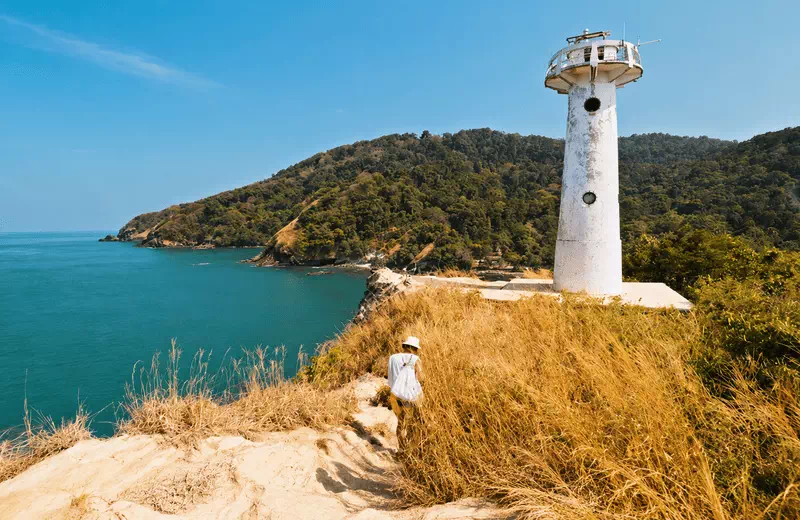
The nearest gateway is Krabi International Airport, about 70 km away. From there the road option takes you to a pier on the mainland, across on a short car ferry to Koh Lanta Noi, and then over a bridge that links Koh Lanta Noi to the main island, Koh Lanta Yai. A private taxi or pre-booked transfer does the whole run door to door in roughly two hours; a shared minivan costs far less but can stretch to three or four hours if the ferry queue is long. The car-ferry fee is usually folded into a minivan ticket.
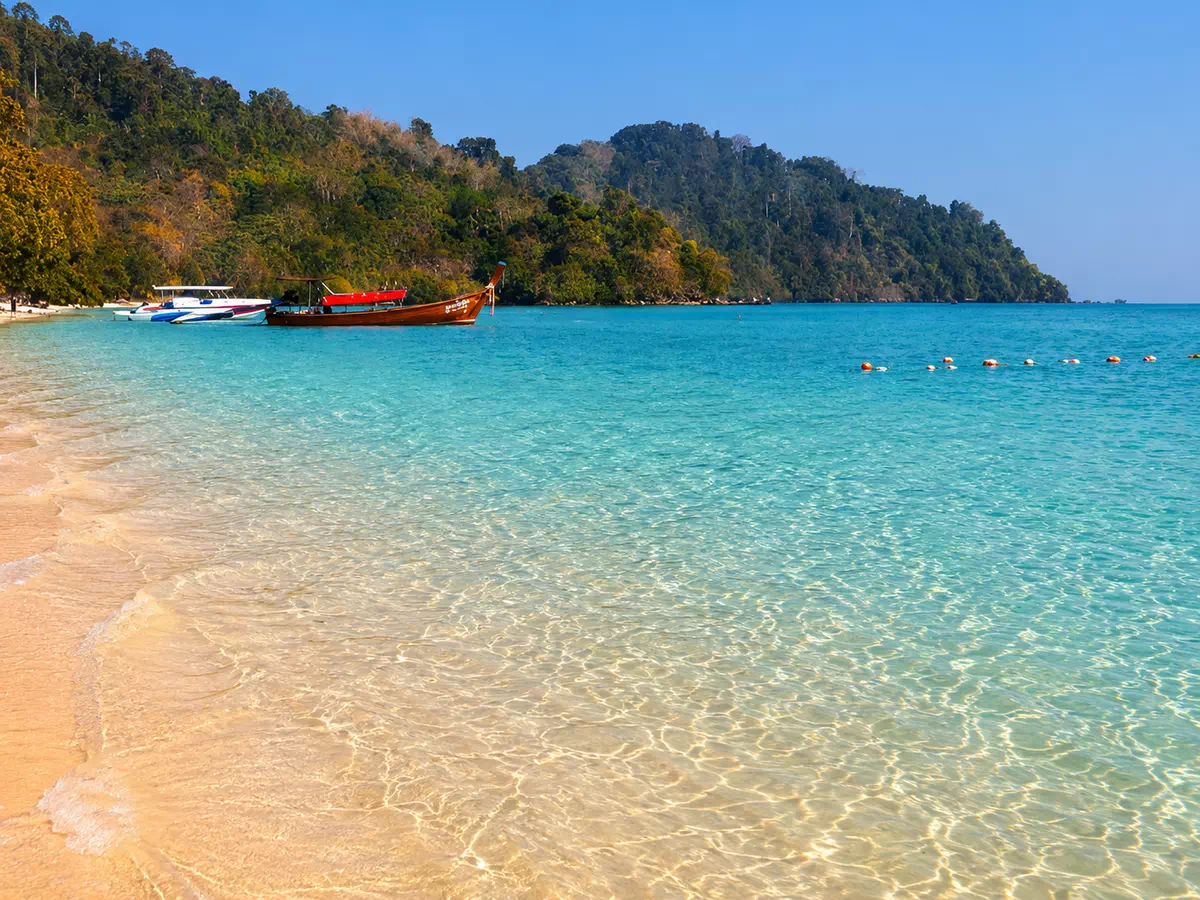
In the dry season you also have boats. Passenger ferries and speedboats run from Krabi Town and Ao Nang, and there are high-season connections from Koh Phi Phi, which makes Lanta easy to fold into an island-hopping route. Some of these boats call at Koh Jum on the way, a smaller, sleepier island worth a stop in its own right. From Phuket, minivans run year-round but it is a long half-day on the road.
Book ahead in high season, especially around the holidays, and lean on road transfers in the green season when many boats stop running. If you would rather skip renting your own vehicle, this guide to reaching out-of-the-way spots in Thailand without a car covers the public options.
Getting Around the Island
Most people rent a scooter, and on Lanta it makes real sense. The main west-coast road runs the length of the island, so a bike turns every beach, café, and viewpoint into an easy hop. Rentals are cheap by the day, but the same warnings apply here as anywhere in Thailand.
The southern half of the road has real hills and bends, and gravel patches catch people out. Wear the helmet, go slow on the climbs, and do not ride a scooter for the first time on a wet Lanta hill. A car or songthaew is the smarter call if you are unsure.
If two wheels are not your thing, songthaews (shared pickup trucks) and private cars cover the island, and many hotels arrange transfers. A hired car costs more but earns its keep if you have luggage or kids.
Koh Lanta's Beaches, North to South
The west coast is the main event, and the beaches change character as you head south, from busy and family-friendly to quiet and remote. Here is the quick map.
| Beach | Vibe | Good for |
|---|---|---|
| Klong Dao | Calm, wide, near Saladan | Families, easy swimming |
| Long Beach (Phra Ae) | Long sand, good sunsets, lively | All-rounder, first-timers |
| Klong Khong | Backpacker, beach bars, fire shows | Budget, nightlife, rocky at low tide |
| Klong Nin | Central, relaxed, pretty | Couples, mid-range, balance |
| Kantiang Bay | Tucked, rocky headlands, upmarket | Sunsets, seclusion, splurge stays |
| Bamboo Bay | Small, jungle-backed, far south | Getting away from everything |
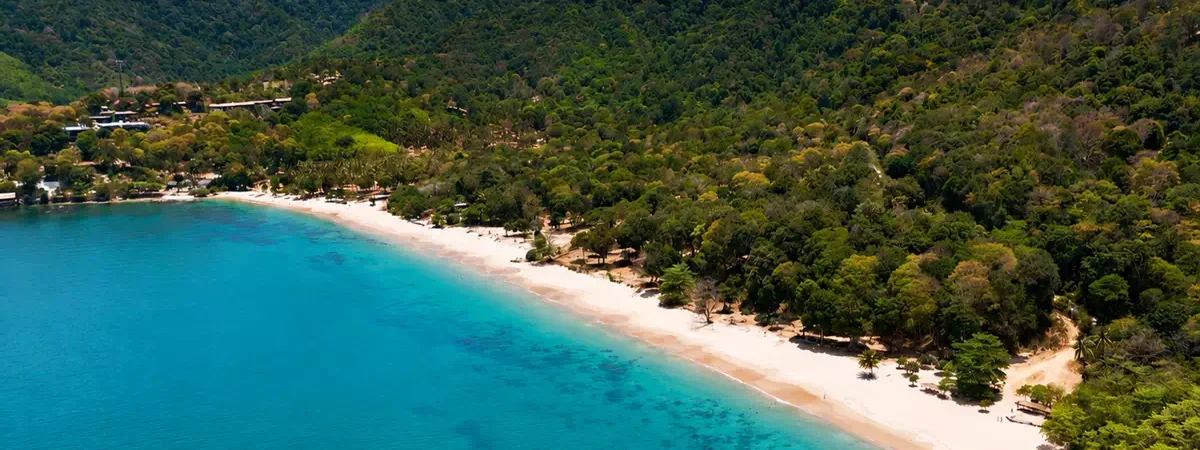
Long Beach, also called Phra Ae, is the safe pick if you only want one base: a few kilometres of sand with a sunset every evening and enough cafés and bars to keep things interesting. Klong Khong is where the backpacker spirit still lives, all driftwood bars and bonfires, though the beach itself turns rocky at low tide. Further south, Kantiang Bay is the quiet, scenic end of the island, framed by green headlands and home to the island's smartest resorts.
Beyond the Beach: The National Park, a Waterfall, and Old Town
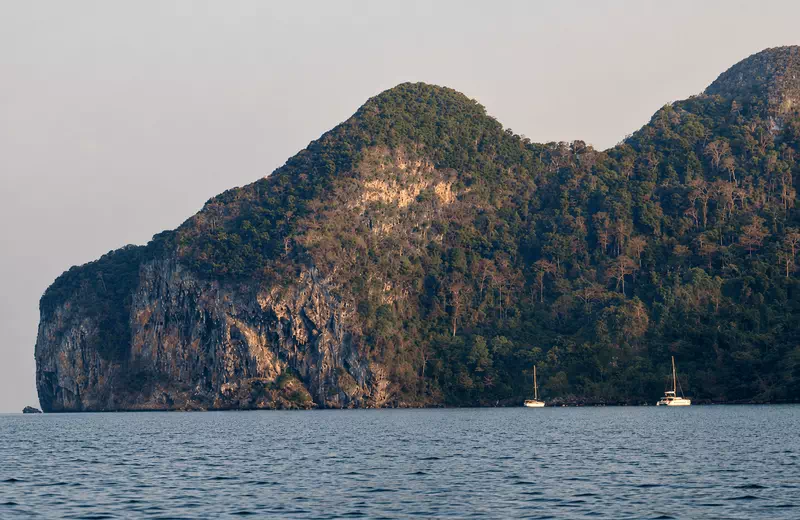
Lanta rewards anyone who pulls themselves off the sand. At the southern tip sits the headquarters of Mu Ko Lanta National Park, on Laem Tanod cape. The draw here is the old lighthouse on its clifftop, with views over the bays on both sides and one of the better spots on the island for sunrise or sunset. A nature trail of about an hour loops through the forest, and a small white-sand beach sits a few minutes from the car park. There is an entrance fee, charged per person, that you pay at the gate; treat any figure you read online as a guide and check the current rate on arrival.
Inland, near Khlong Nin, the Khlong Chak Waterfall hides at the end of a jungle trail. You park, then follow the stream in, sometimes along the bank and sometimes through the shallows, for the better part of an hour. The falls are modest, and in the dry months barely a trickle, so this is one to save for the green season when the water is running. A bat cave sits nearby on the same trail.
Over on the east coast, Lanta Old Town (Sriraya) is the island's other half. Wooden shophouses well over a century old line a single street above the water, some now selling crafts and serving seafood on stilt decks out over the sea. A small community museum tells the story of the island's Chinese, Muslim, and sea-gypsy traders, and each March the area comes alive for the Laanta Lanta Festival.
Diving and Island Hopping
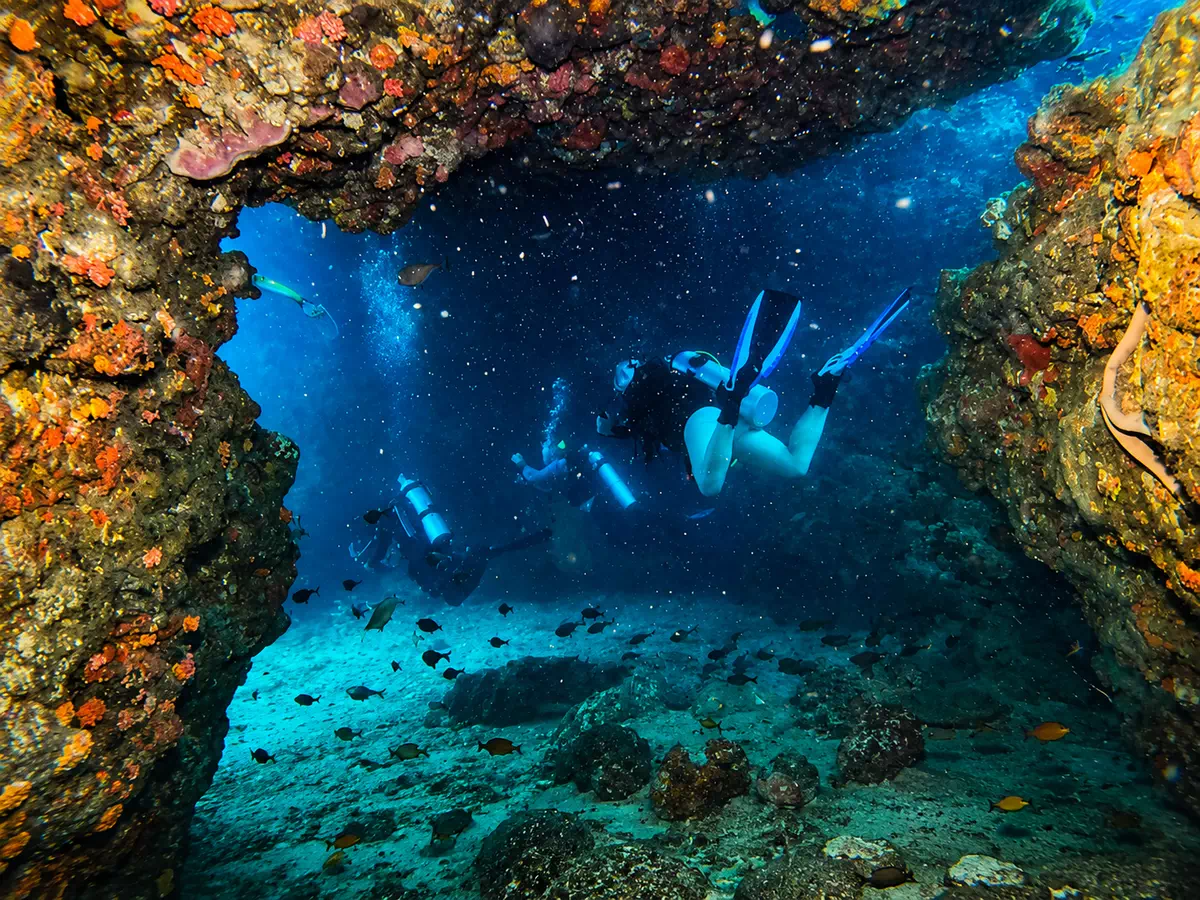
Lanta is one of the best dive bases on the Andaman coast, mostly because of what lies offshore. Hin Daeng and Hin Muang, two submerged pinnacles, draw divers for big pelagics and the chance of mantas and the occasional whale shark. Closer in, Koh Haa is a cluster of islands with clear water and easy reefs, while Koh Rok, inside the national park, is the standout for snorkellers and day trippers.
Above water, the day-trip menu is long. Boats run to the four-islands route, to the marine park, and across to Koh Phi Phi in high season. If you fancy pairing the island with a couple of nights on the mainland, the climbing beaches of Railay and the clifftop Tiger Cave Temple near Krabi town both sit within easy reach.
Where to Stay
Pick your beach and you have mostly picked your trip. Klong Dao and Saladan in the north suit families and anyone who wants shops and the pier close by. Long Beach is the comfortable middle, with the widest spread of guesthouses, mid-range hotels, and food. Klong Khong is the place for cheap bungalows and a sociable, low-cost scene. Klong Nin strikes a nice balance of quiet and convenient. For the splurge end, Kantiang Bay and the far south hold the island's most private resorts, several with their own slice of beach. If something simpler and more local appeals, Lanta also has small homestays, and the broader idea of eco-friendly stays in rural Thailand fits the island's low-key spirit.
Food on Koh Lanta
Seafood is the headline. The stilt restaurants in Old Town grill the day's catch right over the water, and it is hard to beat eating there as the light goes. Along the west coast, beach bars and casual kitchens turn out everything from pad thai to wood-fired pizza, and the cheaper, more authentic Thai and Muslim food tends to sit a little back from the tourist strip, especially on the road toward the east side. Wherever the local families are eating, follow them.
What a Trip Costs
Lanta is affordable by island standards, though not the cheapest corner of Thailand once you add boats and the national park. Your big variables are accommodation and how much you tour. A simple bungalow, scooter rental, local meals, and the odd beer can keep a day comfortably low; a dive trip or a private speedboat island tour is where the spending jumps. Carry cash, since smaller bars, bungalows, and food stalls often will not take cards, and draw it out in Saladan where ATMs are easiest to find.
Travel Tips Worth Knowing
A few things smooth the trip. Pack reef-safe sunscreen and something for your feet, since several beaches turn rocky at low tide and the trails are uneven. Mosquito repellent earns its place once you are off the sand. If you are tempted by an elephant attraction, choose carefully and favour genuine sanctuaries over riding camps; reading up on travelling responsibly in Thailand before you go helps you tell the difference. And keep the green-season closures in mind: arriving in September to a half-shut island catches a lot of first-timers off guard.
Wrap-Up
Koh Lanta is the Krabi island for people who want the Andaman without the elbows: long quiet beaches, real sunsets, a lighthouse and a jungle and an old town when the sand gets boring, and a pace that genuinely slows you down. Come in the dry season for the best of it, base yourself on the beach that matches your speed, rent a scooter if the hills do not scare you, and give it longer than you think you need. The next move is simple: pin Saladan as your arrival point, pick your beach from the list above, and book the dry-season transfer early.