Most coastal towns sell you a postcard. Gloucester hands you the actual working harbor that made the postcard. Boats still leave before sunrise, ice still gets loaded onto the docks, and the seafood on your plate at lunch was often swimming that morning. If you came to Cape Ann for fresh fish and a real fishing town instead of a polished imitation of one, this is your spot. This Gloucester MA seafood and fishing guide walks you through where to eat, how to get on the water, what to see between meals, and the practical stuff nobody tells you until you are already circling for parking.
A no-fluff guide to eating, fishing, and exploring the oldest fishing port in the country — written for the traveler who wants the real harbor, not the gift-shop version.
At a Glance
| Detail | Quick Answer |
|---|---|
| Where | Cape Ann, North Shore of Massachusetts |
| Known for | Seafood, commercial fishing, "America's oldest seaport" |
| From Boston | Roughly 35 miles; about 45 minutes by car or ~1h 20m by train |
| Best time | June through September for beaches and fishing; fall for fewer crowds |
| Signature food | Lobster rolls, whole-belly fried clams, clam chowder, haddock |
| Famous on screen | The Perfect Storm and Nat Geo's Wicked Tuna |
| Top fishing grounds | Stellwagen Bank, Jeffreys Ledge, Tillies Bank |
| Don't miss | Hammond Castle, the Man at the Wheel statue, Good Harbor Beach |
Why a Whole Town Revolves Around Fish
Gloucester was settled in 1623 by a group that broke off from the Plymouth colony, and the city has leaned on the Atlantic ever since. It calls itself America's oldest seaport, and whatever you make of the marketing, the fishing identity is genuine and still alive. The catch landed here is worth tens of millions of dollars a year, and several wholesalers still operate in town.
You probably know the place without realizing it. The Perfect Storm told the story of the Gloucester boat Andrea Gail and her crew lost at sea. More recently, the bluefin tuna boats from the show Wicked Tuna tie up in this same harbor. Stand on the waterfront for ten minutes and you start to understand why so many films and painters keep coming back. Since the 1800s, artists chasing the light off Cape Ann settled at Rocky Neck, one of the oldest working art colonies in the country.
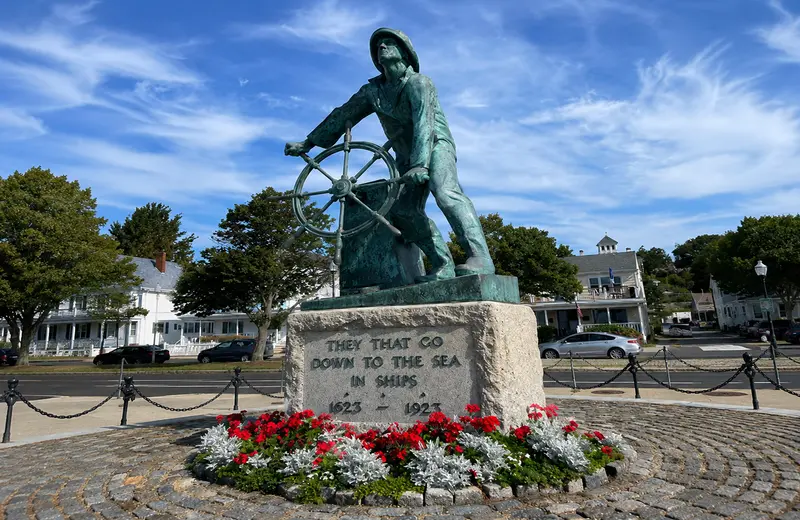
The human side of the story sits right on the water. Waves of Portuguese and Sicilian immigrants came here to fish, and their families built the culture you still feel today, from the Catholic festivals to the names painted on the boats. The most moving reminder is the Fishermen's Memorial on Stacy Boulevard, an eight-foot bronze figure gripping a ship's wheel. It went up in 1925 for the city's 300th anniversary, and the granite base carries a line from Psalm 107: "They That Go Down to the Sea in Ships." A short walk away, the Fishermen's Wives Memorial honors the families who waited on shore. If Gloucester reminds you a little of America's oldest city down in Florida, it is the same instinct — a place that wears its long history out in the open.
The fishing here is not a theme. It is a job that thousands of people still do, which is exactly why the seafood tastes the way it does.
Best Time to Visit Gloucester
Summer is the obvious answer, and for good reason. From late June through August the beaches are warm enough to enjoy, the whale-watch and fishing boats run full schedules, and the town hums. The trade-off is crowds and tight parking, especially on weekends.
If you want the harbor without the squeeze, aim for September into early October. The water is still swimmable for a while, the seafood shacks are open, and the fall light on Cape Ann is the reason painters never left. Late spring is quieter still, though some seasonal spots have not opened yet and the Atlantic is cold.
There is one window worth planning around or avoiding, depending on your taste for crowds. In late June, on the weekend closest to June 29, the town throws St. Peter's Fiesta, a five-day festival the Italian-American fishing community started back in 1927. There is a carnival, an outdoor Mass, a procession, the blessing of the fishing fleet, and the legendary Greasy Pole — a roughly 45-foot pole slicked with grease and stuck out over the harbor, which contestants try to run across to grab a flag. Most of them end up in the water. It is loud, packed, and one of the most authentic town traditions in New England. Check the festival's official schedule before you build a trip around it, since exact dates and event times shift each year.
Going in late June? Decide early whether you want Fiesta's energy or quiet beaches. The two experiences could not be more different, and they happen in the same week.
How to Reach Gloucester
Gloucester sits at the far end of Cape Ann, and getting there is refreshingly simple. The nearest major airport is Boston Logan International, so most trips start with getting to Boston first and then heading north along the coast.
By car, the drive from Boston runs about 35 miles and takes roughly 45 minutes in normal traffic. Route 128 North runs straight out to the cape and effectively ends in Gloucester, which makes navigation easy even if you have never been.
The train is the move if you would rather skip the parking hunt. The MBTA Commuter Rail's Rockport branch runs from Boston's North Station to Gloucester station on Railroad Avenue in about an hour and twenty minutes. One thing to watch: board a Rockport-bound train, since the Newburyport line heads the same direction at first and then splits off before Gloucester. Schedules shift by season and day of week, so confirm times on the official MBTA website the night before. Once you arrive, downtown, the harbor, and several restaurants are walkable, and the local Cape Ann Transportation Authority buses fill in the gaps for spots farther out like the beaches or Hammond Castle.
Where to Eat: Seafood Worth Showing Up Hungry For
Here is the honest truth about eating in Gloucester. You can have a great meal at a white-tablecloth spot, but the soul of the place lives in the casual joints where you order at a window and carry your tray to a picnic table by the water. Either way, the freshness is the whole point.
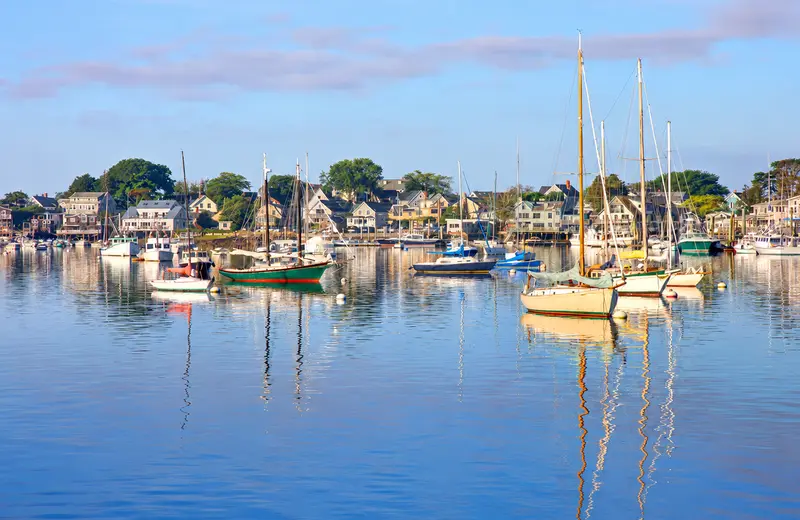
For the full fried-seafood experience, The Causeway is a local institution that piles platters high enough to make sharing the smart play. Lobsta Land out in West Gloucester has fed regulars for over thirty years and pairs big portions with marsh views, and locals genuinely eat there, which tells you something. Down on the working waterfront, Seaport Grille and The Gloucester House put you right over the harbor with the fleet bobbing a few feet away. If you want restaurants on the water with a view to match the food, these harborside decks are hard to beat — the same draw as these waterfront restaurants with the best views down south, just swap the palm trees for fishing boats.
The dining scene goes deeper than chowder, too. The Portuguese kitchen at the Azorean has become a destination for families across the region, and a handful of Italian and wood-fired spots reflect the immigrant heritage that built the town. For dessert or a between-meals fix, downtown has Italian bakeries and an ice cream café people line up for.
A few of the most famous seafood names actually sit just outside the city, and it is worth being honest about that. Woodman's, the Essex spot that claims to have invented the fried clam back in 1916, is a short drive away, as are the well-loved lobster shacks over in neighboring Rockport. None of that is in Gloucester proper, but on a Cape Ann trip the extra ten or fifteen minutes is nothing.
One ordering note that trips up first-timers: lobster is almost always sold at market price, which moves with the season. If a menu just says "market," ask before you commit, especially for the bigger lobsters.
Skip the sit-down dinner once and do a window-service shack instead. A lobster roll eaten at a harbor picnic table, paper boat dripping butter, is the meal you will actually remember.
Getting on the Water: Fishing Charters, Species, and Licenses
This is where Gloucester earns the second half of its reputation. The town is a launch point for some of the best fishing in the Northeast, and you do not need to own a boat to get in on it.
Most visitors book one of two things. Party boats take a big group out for a half or full day at a set per-person rate, which is the budget-friendly and beginner-friendly option. Private charters cost more but put a captain and crew at your service for the day. Either way, the gear and the know-how come with the trip, so a total first-timer can still come home with a cooler of fish.
What you catch depends on the season. Striped bass run from roughly May into October, with the hot stretch in June and July. Cod and haddock are bottom-fishing staples, and the bluefin tuna that made Wicked Tuna famous draw serious anglers when the regulated season opens. Summer into fall also brings bluefish, pollock, and several shark species for those heading farther offshore. The captains run toward legendary grounds like the Stellwagen Bank National Marine Sanctuary, an 842-square-mile feeding zone, plus Jeffreys Ledge and Tillies Bank.
The rules are simple but real. Massachusetts requires a saltwater fishing permit for anyone 15 and older, residents and visitors alike, though charter boats often cover their customers under their own permit, so ask when you book. A nice perk of the Massachusetts permit is that it is recognized in the neighboring waters of New Hampshire, Maine, Rhode Island, and Connecticut. You can sort a permit quickly online through the state's official licensing website before your trip.
If your idea of fishing leans more relaxed, you do not even need the open ocean. Casting off a pier or a calm river bank scratches the same itch at a slower pace, and travelers who prefer freshwater over salt can plan around the country's best lakes for fishing on a different trip entirely.
Not everyone wants to bait a hook, and that is fine. The same waters host excellent whale watching. Boats run out toward Stellwagen Bank to find humpback, minke, and finback whales, and on a good day the show rivals anything you booked the fishing trip for.
Things to Do in Gloucester Beyond the Plate
You will need time between meals, and Gloucester fills it easily. The single most surprising attraction is Hammond Castle, a medieval-style stone castle perched over the Atlantic in the Magnolia section of town. The inventor John Hays Hammond Jr., known as the "Father of Radio Control" and the holder of hundreds of patents, built it between 1926 and 1929 and packed it with European architecture, Roman and medieval artifacts, and a giant pipe organ. Tour options, hours, and parking change with the season and have been adjusted recently, so book ahead and confirm details on the castle's official website. Worth knowing: the building is historic and steep in places, so it is not a fit for anyone with mobility concerns.
For the fishing-town story told straight, two stops do it well. The Cape Ann Museum holds maritime collections and the luminous harbor paintings of Fitz Henry Lane. Maritime Gloucester, down on the working waterfront, runs hands-on exhibits, a small aquarium with touch tanks, and the oldest operating marine railway in the United States. To stitch it all together for free, walk the HarborWalk, a downtown trail of 42 granite story posts that unpack the town's history as you go.
Then there are the beaches, and they are very good. Good Harbor Beach is the famous one, a wide curve of pale sand that ranks among the best on the North Shore. Wingaersheek Beach, on the other side of town, has calmer water that suits families. The catch is parking, which is limited, pricey in season, and reserved heavily for residents in places. Show up early or take the bus, because mid-morning on a hot Saturday the lots fill fast.
Put Hammond Castle and a beach on the same day, but commit to arriving early. By late morning in summer, both the castle lot and the beach lots can be full, and the day gets a lot more stressful from there.
A Simple Day or Weekend Plan
If you only have a day, keep it tight. Start downtown with coffee and a HarborWalk stroll, get out on a morning whale-watch or fishing trip, then come back for a late seafood lunch at a harborside shack. Spend the afternoon at the Man at the Wheel statue and the Cape Ann Museum, and close the day watching the fleet from a deck with a drink in hand.
With a weekend, slow it down. Give one morning fully to fishing or a charter, one afternoon to Hammond Castle and a beach, and leave a long evening for a proper sit-down dinner downtown. A second day leaves room to wander Rocky Neck's galleries or drive over to the neighboring towns for more famous fried clams and lobster.
Already this far up the coast and want to keep going? New England rewards the road trip. Pairing Cape Ann with a freshwater stop like Lake Winnipesaukee in New Hampshire turns a coastal weekend into a proper regional loop.
Travel Tips Worth Knowing Before You Go
Parking is the thing that will define your day, so plan it. Beach lots, Hammond Castle, and downtown all run tight in summer, and the train plus local buses can genuinely be the lower-stress choice if you are not committed to a car.
Cash is rarely a problem since most places take cards, but the smallest seafood window shacks and a few markets can be cash-friendly, so keep a little on hand. Gloucester is a working town rather than a tourist trap, which means the usual vacation scams are not really a concern here; the bigger risk is just a long wait at a popular shack on a sunny weekend.
Pack layers even in July. The harbor breeze and a boat deck run cooler than the parking lot, and a windbreaker turns a chilly whale-watch into a comfortable one. If you are heading out to fish, sunscreen and a hat matter more than you think with the water throwing light back at you for hours.
One last bit of expectation-setting. Seafood prices on the coast, lobster especially, sit higher than inland and swing with the season, so build a little room into the food budget rather than being surprised at the counter.
The Wrap-Up
Gloucester works because it never stopped being a fishing town. The boats, the festivals, the memorial on the boulevard, and the lobster at the window shack are all part of the same living thing, and that is what makes a trip here feel earned rather than staged. Come hungry, get out on the water at least once whether that means a rod or a whale-watch, and give yourself a slow meal by the harbor to let it all sink in. The simplest next step is to pick your season, whether that means summer for the full buzz or fall for the quiet, and lock in a fishing or whale-watch trip first, since the rest of the day arranges itself easily around it.