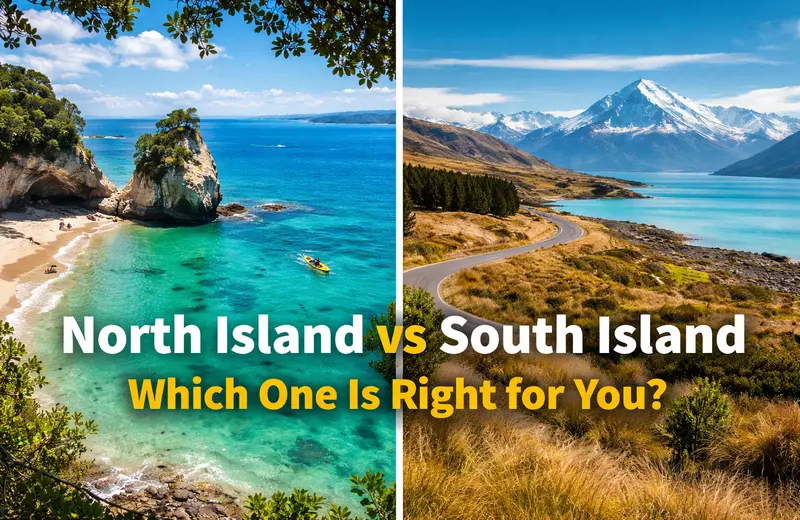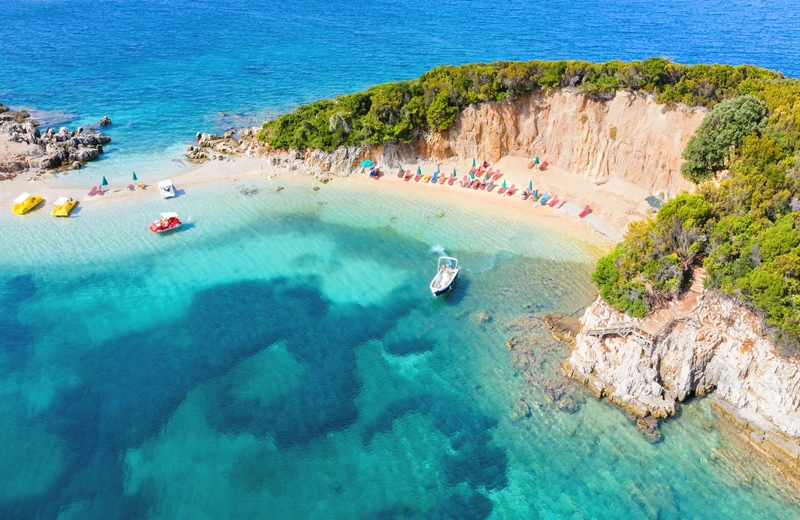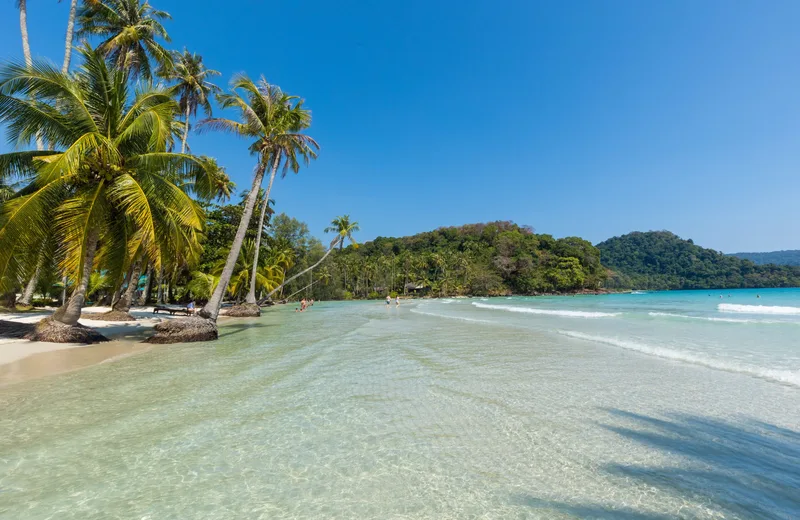
Fiji is not one place. That sounds obvious, but most first-time visitors treat it like one — they land in Nadi, pick a resort nearby, and assume they have seen Fiji. They have seen a version of it. The real picture is 333 islands spread across roughly 194,000 square kilometres of the South Pacific, each with a different personality, a different pace, and a completely different reason to visit.
The Mamanuca Islands sit close to the airport and make island life effortless. The Yasawas push you further north into something more raw and quiet. Taveuni asks you to trade beach chairs for hiking trails. Kadavu exists almost entirely for the divers who know what waits beneath its surface. Viti Levu, the big island, is where most people begin — and where many, unexpectedly, find themselves wanting to stay.
This guide covers the ten most worthwhile Fiji islands, what each one actually delivers, and — more importantly — who each one is for. Because the right island depends entirely on what kind of trip you are looking for.
Fiji has islands for honeymooners, backpackers, serious divers, and families — but choosing the wrong one can leave you either bored or overwhelmed. Here is what no one tells you before you book.
At a Glance: Fiji Islands Compared
| Island | Best For | Access from Nadi | Vibe |
|---|---|---|---|
| Viti Levu | First-timers, families, culture | Airport is here | Urban meets tropical |
| Mamanuca Islands | Couples, day-trippers, beach lovers | 1 hr by ferry / 10 min by seaplane | Easy, resort-driven |
| Yasawa Islands | Backpackers, couples, culture seekers | 5–6 hrs by Yasawa Flyer | Remote, authentic |
| Taveuni | Nature lovers, divers, hikers | ~1 hr domestic flight | Wild, green, adventurous |
| Kadavu Island | Serious divers, eco-travelers | ~45 min domestic flight | Remote, untouched |
| Vanua Levu | Divers, adventurers, off-beaten path | ~1 hr domestic flight | Rugged, local, serene |
| Denarau Island | Families, resort seekers, convenience | 30 min drive from airport | Polished, modern |
| Beqa Island | Shark divers, culture, fire-walking | ~2 hrs from Pacific Harbour | Niche, fascinating |
| Ovalau Island | History lovers, slow travelers | 20 min flight from Nausori | Colonial, quiet |
| Coral Coast | Families, budget travelers, culture | 1–2 hrs drive from Nadi | Scenic, mixed |
The Mamanuca Islands — Fiji's Easiest Island Escape
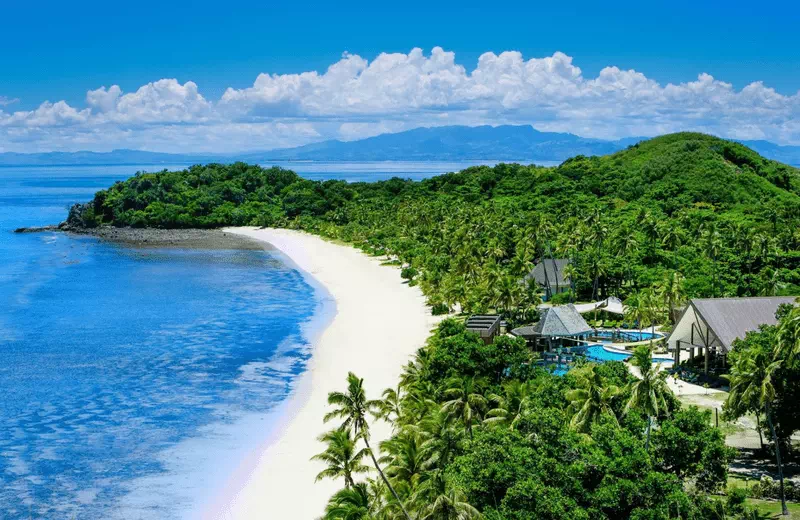
The Mamanuca group is a collection of around 20 islands sitting just off Viti Levu's western coast. A high-speed catamaran from Port Denarau takes roughly an hour to reach most of them. A seaplane gets you there in ten minutes. This proximity to the airport is the Mamanucas' defining feature — and depending on what you want, it is either a great advantage or a mild drawback.
The advantages: reliable sun (the Mamanucas sit in a rain shadow that makes them one of the driest parts of Fiji), calm lagoons for snorkelling, and a wide range of accommodation from backpacker dorms to five-star adults-only resorts. Castaway Island Resort has been a family-friendly favourite for years. Likuliku Lagoon Resort offers Fiji's only authentic overwater bures for couples who want that experience. Beachcomber Island is where backpackers and party-minded travellers tend to converge.
The film Cast Away was shot on Monuriki Island within this group — a popular day trip from several of the surrounding resorts. CBS's Survivor series has filmed here repeatedly, most recently for its 50th season in 2026.
The drawback is that the Mamanucas can feel curated. The infrastructure is built around tourism, and on the smaller resort islands, you are somewhat contained. There is less of the genuine village life that makes the Yasawas feel different.
If you want easy access to beautiful beaches and good snorkelling without spending half your trip on boats, the Mamanucas are the right choice. If you want Fiji to feel remote and unhurried, consider going further.
Diving is excellent here for beginners and intermediate divers. Sites like The Supermarket and Plantation Pinnacle are known for reef fish, sea turtles, and manageable conditions. For world-class beaches across different island destinations, the Mamanucas consistently rank among the South Pacific's finest.
Who it is for: Couples on short trips, families wanting easy logistics, first-time Fiji visitors who want a classic resort experience, day-trippers from Viti Levu.
Insider tip: The Bula Pass from Awesome Adventures Fiji lets you hop between multiple Mamanuca and Yasawa islands on the same boat transfer. If you plan to visit more than two islands, it is significantly better value than booking individual tickets.
Viti Levu — The Island Everyone Lands On, But Few Actually Explore
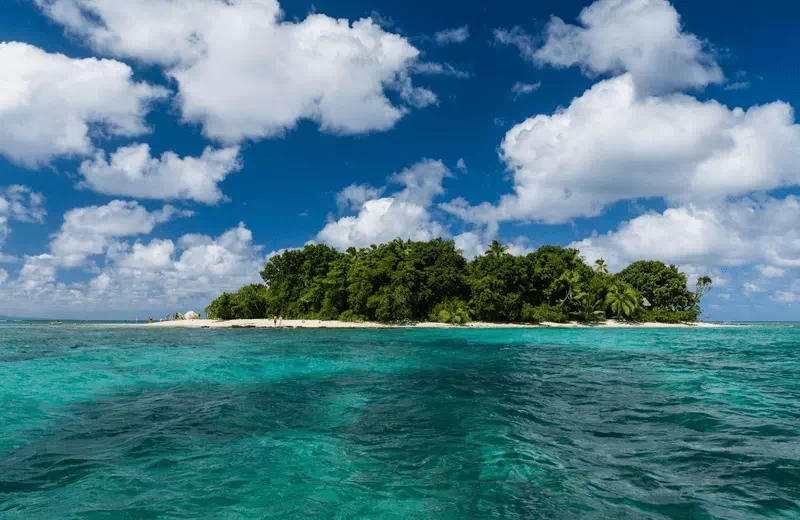
Viti Levu is Fiji's largest island and the one where almost every visitor arrives. Nadi International Airport sits on its western side, and from there, most tourists either rush to a nearby resort or catch a ferry to one of the outer island groups. That is a reasonable plan — but it misses what Viti Levu itself has to offer.
The island covers just over 10,000 square kilometres. Its interior is a proper mountain range, including Mount Tomanivi at 1,324 metres — the highest point in Fiji. Two main highways circle it: Queens Road along the southern coast, and the longer, rougher Kings Road across the north.
The Coral Coast, on the southern highway between Nadi and Suva, is lined with resorts, traditional villages, and good snorkelling at Natadola Bay. Pacific Harbour, about 50 kilometres west of the capital Suva, is marketed as Fiji's adventure capital — white-water rafting on the Navua River, zip-lining through jungle canopy, and shark diving at nearby Beqa Lagoon are all accessible from here.
The capital Suva is worth a day or two. The Fiji Museum has one of the better collections in the Pacific, including relics from HMS Bounty and traditional Fijian artefacts. The covered market near the waterfront is where locals actually shop, and the food options along the harbour are a long way from resort buffet territory.
If you want the widest possible range of activities without the logistics of inter-island travel, Viti Levu handles it. It is also the easiest island for families, since medical facilities and transport options are concentrated here.
Who it is for: First-time visitors, families with younger children, travellers who want cultural depth alongside beach time, anyone doing a road trip around the island.
Insider tip: Rather than staying in Nadi the whole time, drive the Queens Road to the Coral Coast and spend a night or two there. The resorts are generally less expensive than the Mamanucas, and the cultural village visits nearby feel more genuine than anything you will find on a day trip.
The Yasawa Islands — Where Fiji Starts Feeling Real
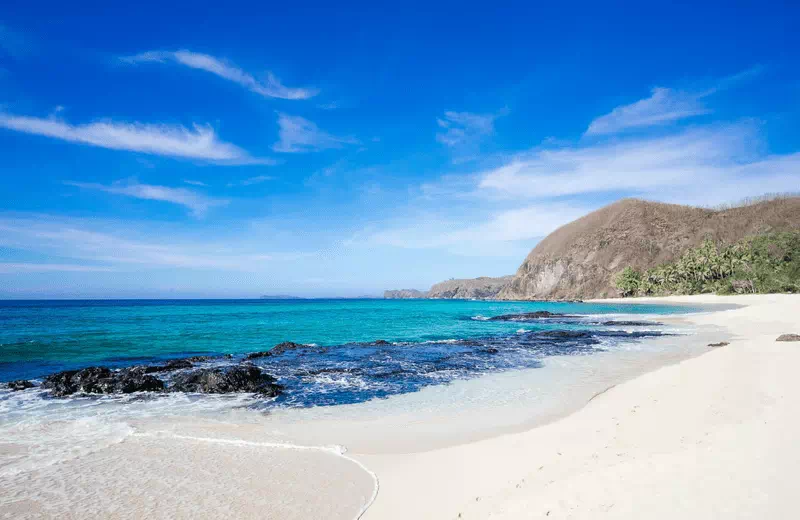
The Yasawa group stretches about 80 kilometres north-northwest of the Mamanucas — a chain of roughly 20 volcanic islands with high rocky peaks, long white beaches, and a pace of life that nobody has bothered to accelerate. Until the late 1980s, the Yasawas were closed to tourists entirely. The relative quietness that resulted from that history has not entirely left.
Getting here takes effort. The Yasawa Flyer — a high-speed catamaran departing from Port Denarau — takes five to six hours to reach the northern islands. That journey is part of the experience: you pass island after island, and the further north you go, the more the South Pacific starts to feel like something out of the film that was actually shot here. The 1960s version of The Blue Lagoon was filmed in the Yasawas, in waters that look much the same today.
Budget accommodation here costs significantly less than the Mamanucas. Many resorts have only one property on their island, so your choice of resort dictates which island you end up on. The backpacker trail that runs through the group via the Bula Pass has a loyal following — travellers spend a night or two on each island, moving north, then south, then north again.
Manta ray swimming is genuinely excellent in the Yasawas between May and October. The limestone Sawa-i-Lau Caves, accessible on day trips from several northern islands, are a highlight — an above-water chamber leads through a narrow underwater passage into a second cave lit from below. Reef sharks are regularly seen while snorkelling off the beaches. Village kava ceremonies are still conducted here in ways that feel like cultural participation rather than tourist performance.
For island travel that rewards patience and a slower pace, the Yasawas reward travellers who are not in a hurry.
Who it is for: Backpackers and budget travellers, couples who want something less polished than the Mamanucas, anyone looking to swim with manta rays, travellers who have already done the Mamanucas and want more depth.
Insider tip: Village visits in the Yasawas feel markedly more authentic than on the busier islands. Bring kava root (yaqona) purchased from a market in Nadi — around FJD 20 to 40 per bundle — as a sevusevu gift for the village chief. It opens doors that a resort day-trip itinerary does not.
Taveuni — The Garden Island That Divers and Nature Lovers Talk About
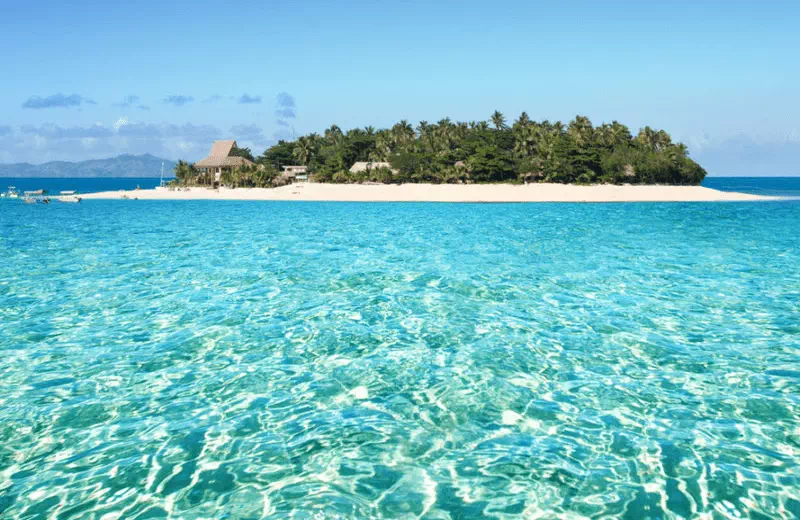
Taveuni is Fiji's third-largest island, sitting southeast of Vanua Levu across the Somosomo Strait. It covers 434 square kilometres, and roughly 80 percent of that area is taken up by Bouma National Heritage Park — dense tropical rainforest where the Tavoro Waterfalls drop in three tiers through the trees and the Vidawa Rainforest Walk takes half a day to complete properly.
The island sits on the 180th meridian. The International Date Line passes through here, and there is a signpost where two markers stand a few metres apart — step across and you are technically in a different day. It is a strange little detail that Taveuni wears with quiet satisfaction.
For divers, Taveuni is significant. The Rainbow Reef, accessible via the Somosomo Strait, holds what many regard as some of the finest soft coral diving in the Pacific. The Great White Wall is the centrepiece — a dive site where a wall of white soft coral drops from around 18 metres into deep blue water, turning the passage into something that looks genuinely unlikely. Daily flights from Nadi and Suva make Taveuni accessible without a long boat journey.
The Kadavu Musk Parrot is one of several bird species endemic to this region, and birdwatching walks from Taveuni regularly produce sightings that serious ornithologists travel specifically for. The island also has Lake Tagimaucia, a high-altitude crater lake known for the tagimaucia flower — red and white, and found only here and on a few parts of Vanua Levu.
Taveuni is not the island for people who want to lie on a beach and never move. It is the island for people who have realised that Fiji is more than beaches.
Who it is for: Divers, nature lovers and hikers, birdwatchers, travellers who have already ticked off the resort-island experience and want something different.
Insider tip: The Rainbow Reef is best dived with a local operator rather than through a resort. Dive shops in the area run smaller groups and can reach sites that larger resort operations skip. Book your domestic flight from Nadi well in advance — seats on Fiji Link's Taveuni routes fill quickly in dry season.
Kadavu Island — The One Serious Divers Come For
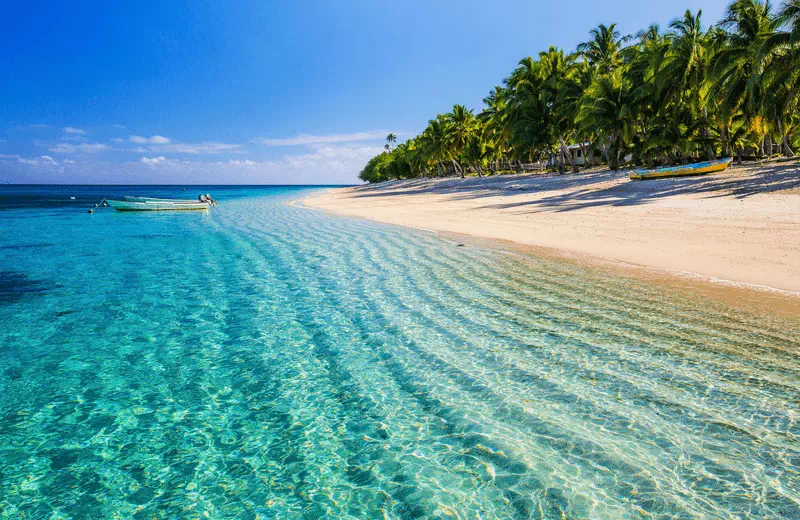
Most visitors to Fiji never hear about Kadavu. There is no resort strip, no day-trip infrastructure, and no easy way to arrive without planning ahead. A domestic flight from Nadi on Fiji Link takes about 45 minutes, running a few times a week to the airstrip at Vunisea. Alternatively, the ferry from Suva takes eight to twelve hours. Neither option is casual.
What waits at the other end is the Great Astrolabe Reef — approximately 100 kilometres of barrier reef encircling the southern coastline of Kadavu, extending around the nearby islands of Ono and Galoa. It is the fourth-largest barrier reef in the world, after the Great Barrier Reef, Belize Barrier Reef, and New Caledonia Barrier Reef.
The reef is in exceptional condition, partly because Kadavu receives a fraction of the visitors that reach the busier island groups. Hard and soft corals cover the outer slopes and drop-offs. More than 60 named dive sites range from gentle sheltered waters to strong drift dives at the outer passages. Year-round manta ray sightings are concentrated around the cleaning stations near Ono and Buliya islands. The Pacific Voyager wreck, 63 metres long, adds a shipwreck option for qualified divers.
The Kadavu Parrot — locally called the kaka — is a protected endemic species found here and at Ono Island. Birdwatchers who make the journey often find Kadavu worth the trip on that basis alone.
Accommodation is built around the dive resorts. Matava Resort is the most established, operating as an eco-conscious property with guided reef dives and manta ray expeditions. Prices here include mandatory meal plans, which is standard for the outer islands. Budget accordingly before booking.
For travellers who also enjoy exploring pristine island environments away from crowds, Kadavu delivers something genuinely rare.
Who it is for: Serious and intermediate divers, eco-travellers, anyone who wants a Fiji experience entirely free of tourist infrastructure, birdwatchers.
Insider tip: Book your Fiji Link flights to Kadavu at the same time as your accommodation — ideally months in advance. Seats are limited, schedules shift seasonally, and missing your window means a long ferry ride as the backup. Confirm flight times directly with Fiji Link closer to your travel date.
Vanua Levu — Fiji's Second Island, First Choice for Adventurous Divers
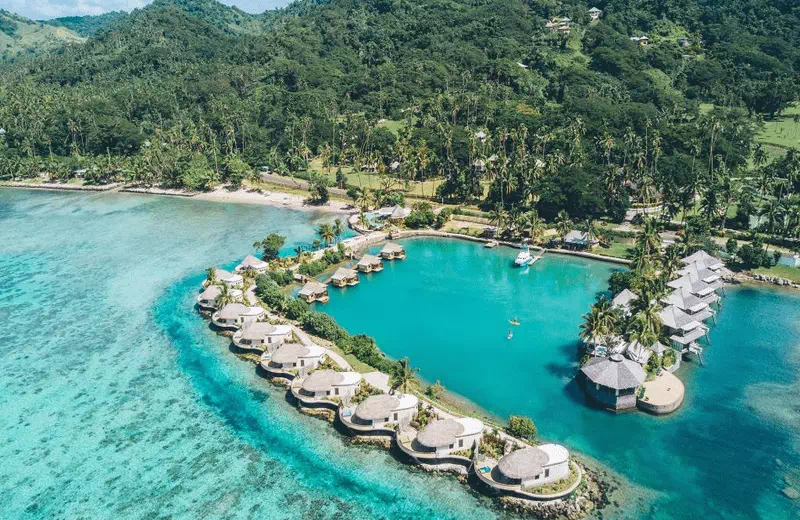
Vanua Levu is Fiji's second-largest island at 5,538 square kilometres — slightly more than half the size of Viti Levu, 64 kilometres to its northeast. Its two main centres are Labasa on the north coast, a business town tied to the sugar industry, and Savusavu on the southern shore, which is where most visitors end up.
Savusavu has a particular atmosphere. It is small enough to feel unhurried, but developed enough to be functional. The natural hot springs bubble up along the waterfront — not in an organised way, but informally, through cracks in the ground near the road. The Planters Club, a legacy of the colonial copra trade, still serves cold beer on a verandah overlooking the bay.
The diving around Vanua Levu is serious. Namena Marine Reserve, accessible by boat from Savusavu, is a protected area of extraordinary reef quality — hammerhead shark encounters are documented here regularly. Jean-Michel Cousteau Ocean Resort, one of the region's best-regarded dive operations, runs out of Vanua Levu and caters to both adults and children interested in marine education.
The Hibiscus Highway, which runs northeast from Savusavu toward Natewa Bay, is one of the more scenic coastal drives in Fiji. It is also genuinely remote — the road runs out before the bay ends, and the villages along the way are well off any tourist circuit.
For island hopping and exploring second-island destinations that most visitors overlook, Vanua Levu is a compelling case study.
Vanua Levu rewards patience. It is the island that reveals itself gradually — the bay looks better on the third day than the first, and the locals get friendlier the longer you stay.
Who it is for: Divers seeking advanced reef experiences, travellers who have done Viti Levu and want less-developed Fiji, couples and solo travellers comfortable with slower pace, anyone interested in genuine rural Fijian life.
Insider tip: Savusavu has a small but genuine expat community of yachties and long-term travelers. The local market near the waterfront is excellent for fresh produce and local snacks. If you are visiting the Naag Baba Mandir (the Hindu snake temple about 20 kilometres from Labasa), go on a weekday morning when it is quieter.
Denarau Island — The Resort Hub That Makes Fiji Simple
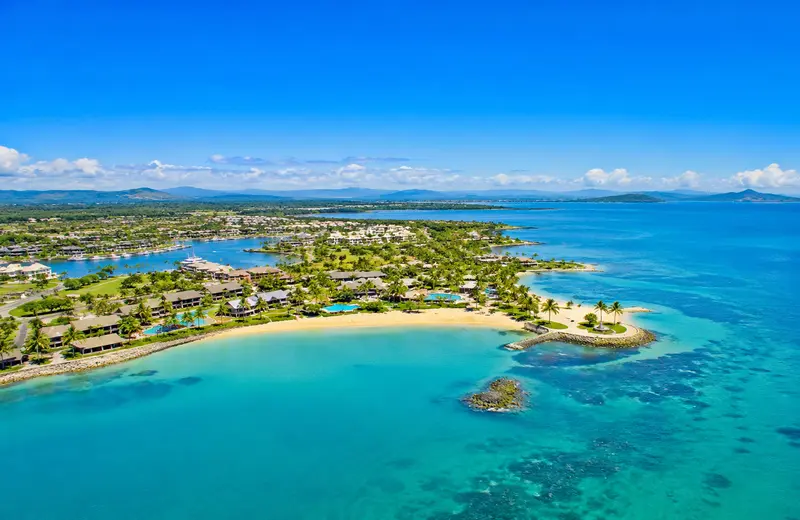
Denarau is technically part of Viti Levu — connected to the main island by a short causeway — but it operates as an entirely distinct experience. The mangrove swamp it was built on has been transformed into a manicured resort precinct containing around eight major hotels, a championship golf course, a shopping centre, and Port Denarau Marina.
Port Denarau is where the Yasawa Flyer departs. It is also where the day-cruise boats to the Mamanucas load up each morning. For families and for travellers who want to use Fiji's outer islands as day trips rather than overnight stays, Denarau is genuinely practical — you can be on a white-sand Mamanuca beach within an hour of leaving your resort lobby.
The hotels on Denarau range from mid-range to luxury. The Sofitel Fiji Resort and Spa sits at one end of the scale; the Wyndham Resort Denarau Island at the other. All of them have multiple pools, restaurants, and direct beach access, which is not always the case in more remote parts of Fiji.
The tradeoff is authenticity. Denarau does not look or feel like Fiji in the way that a village in the Yasawas does. But it is efficient, comfortable, and — critically — very easy to navigate with children or with older travellers who want predictability rather than adventure.
Who it is for: Families with young children, travellers on short trips who want to maximise time rather than logistics, anyone using Fiji as a starting point for island hopping, first-time visitors who want a smooth introduction before venturing further.
Insider tip: If you are only staying a night or two in Denarau before heading to an outer island, consider booking a mid-range room rather than a luxury villa — you will barely use the amenities. Spend the premium budget on your outer island accommodation instead.
Beqa Island — Fire-Walking, Shark Diving, and Local History
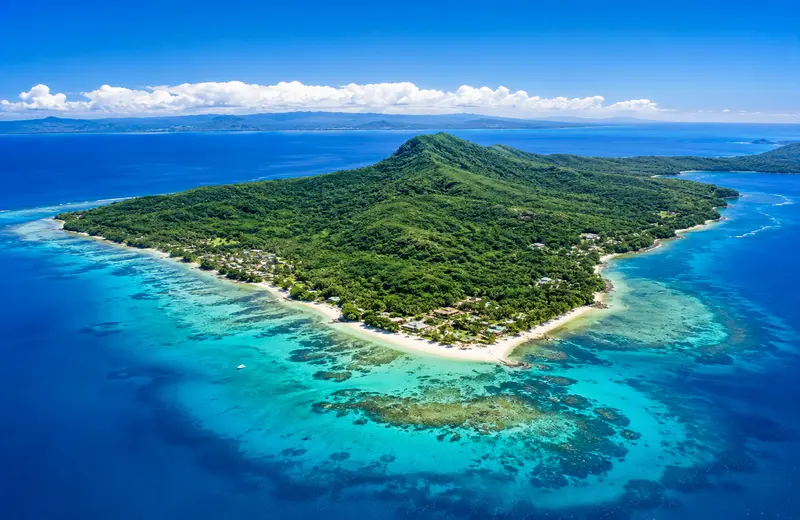
Beqa (pronounced Ben-ga) is a small volcanic island about 10 kilometres off Viti Levu's southern coast, accessible by boat from Pacific Harbour in about 30 minutes. It does not have the beach infrastructure of the Mamanucas or the diving reputation of Kadavu, but it has two things that are genuinely unique.
The first is the fire-walking tradition. Beqa's Sawau people are the acknowledged originators of Fijian fire walking — a practice reportedly over 500 years old, connected to a legend in which a villager's deal with a small deity granted his descendants protection from fire. The ceremony involves walking barefoot across a pit of river stones heated for hours until they glow. Watching it — or being invited to witness a ceremony rather than a resort recreation of one — is an experience that does not fit neatly into any category.
The second is Beqa Lagoon. Shark diving here operates differently from most shark dive sites in the world. The Beqa Adventure Divers operation has worked with local communities to develop a site where multiple species — including bull sharks and tiger sharks — congregate for regular feeds. The dives are guided by experienced operators who have built relationships with both the sharks and the surrounding villages.
The island itself is quiet. There are only a handful of places to stay, including Beqa Lagoon Resort. For a traveller who wants a niche, genuinely unusual stop in a Fiji itinerary, Beqa delivers something no other island in the group offers in quite the same way.
Who it is for: Shark diving enthusiasts, travellers interested in Fijian cultural heritage beyond kava ceremonies, anyone who wants a short detour from Pacific Harbour.
Insider tip: If you want to witness an authentic fire-walking ceremony rather than a resort show, ask your accommodation in Pacific Harbour for a connection to village-organised events. They happen periodically and are worth the extra effort to find.
Ovalau Island — Fiji's Forgotten First Capital
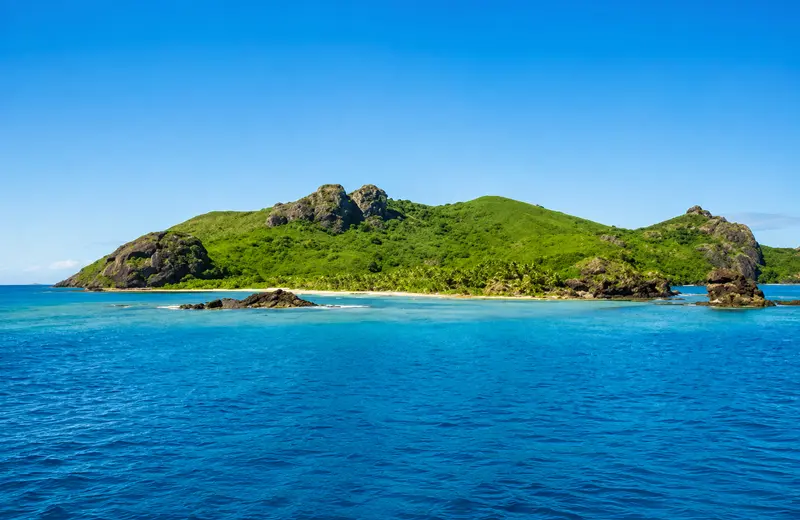
Ovalau sits at the heart of the Lomaiviti group, about 20 minutes by domestic flight from Nausori Airport (near Suva), or reachable by ferry. Its main settlement, Levuka, was Fiji's original capital before the colonial administration moved to Suva in 1882. Levuka is now a UNESCO World Heritage Site.
The town is small enough to walk entirely in an afternoon. The buildings along Beach Street date from the 1800s — mission churches, trading company warehouses, and civic buildings that have been maintained rather than renovated. The effect is less museum and more time-capsule. The historical society runs a small collection, and several locals give informal walking tours that are more informative than anything in print.
Ovalau is not for travellers who need a beach or a dive site to feel satisfied. The island has some walking trails and a handful of guesthouses, but tourism infrastructure is minimal. What it has is a quality of quietness and historical texture that is almost entirely absent from the more visited parts of Fiji.
For travellers interested in the history and culture behind the places they visit, Ovalau offers a different kind of depth.
Who it is for: History enthusiasts, slow travellers comfortable with limited facilities, travellers who have seen the main Fiji highlights and want something unexpected.
Insider tip: Levuka's Ovalau Club, one of the oldest social clubs in the Pacific, sometimes admits visitors. Ask at your guesthouse — the verandah overlooks the harbour and the historical context of sitting there is hard to replicate anywhere else in Fiji.
The Coral Coast — Fiji's Scenic Middle Ground
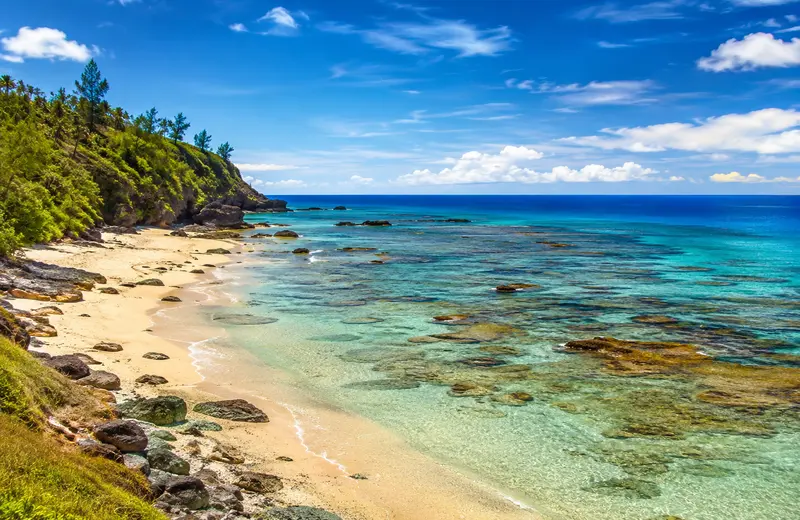
The Coral Coast is not technically a separate island — it is a 80-kilometre stretch of Viti Levu's southern coastline running along Queens Road between Sigatoka and Pacific Harbour. But it functions as a distinct destination, and for many visitors, it represents a practical compromise between the convenience of Viti Levu and the scenery of the outer islands.
Resorts here range from large family-friendly complexes to smaller, locally-run properties. Prices are generally lower than the Mamanucas. The reef offshore is accessible by boat and good for snorkelling at mid-to-high tide. Several traditional Fijian villages are located along the coast and offer organised cultural visits — kava ceremonies, traditional cooking demonstrations, and craft markets — that are more accessible here than on the outer islands.
The Sigatoka Sand Dunes National Park, just east of Sigatoka town, is one of Fiji's more unusual landscapes — a three-kilometre stretch of coastal dunes containing archaeological sites and offering views across the coast. The Navua River gorge, further east near Pacific Harbour, is the access point for white-water rafting through primary rainforest.
The Coral Coast works well as a base for exploring southern Viti Levu rather than as a destination in itself. Pair it with a few nights on an outer island and the combination is stronger than either alone.
Who it is for: Families on mid-range budgets, travellers who want cultural village access without a long ferry journey, couples who want a quieter alternative to Denarau, budget travellers.
Insider tip: Book accommodation midway along the Coral Coast near Korolevu rather than at the Sigatoka end, which gives you better access to both the national park to the west and Pacific Harbour's activities to the east.
Best Time to Visit the Fiji Islands
Fiji's climate has two clear seasons, and the difference between them matters depending on what you plan to do.
The dry season runs from May to October. Temperatures during this period sit between 22°C and 28°C, humidity drops noticeably, and the trade winds keep conditions comfortable. Visibility for diving and snorkelling is at its clearest. This is also when manta rays are most reliably seen in the Yasawas and Kadavu, roughly May through October. July and August are peak season — flights and accommodation are most expensive, and family-friendly resorts in particular fill quickly during Australian and New Zealand school holidays.
June is often the best single month if you want to balance good weather with slightly lower prices and fewer crowds than the July-August peak. October is another smart choice — still dry, noticeably quieter, and often cheaper than the heart of the season.
The wet season runs from November to April. Rain comes in short, heavy bursts that usually clear within hours. Cyclone risk exists from November through April, with January to March being the most unpredictable period. That said, the wet season is significantly cheaper — resort rates can drop 30 to 50 percent compared to peak — and the landscapes are visibly greener and more lush. Budget travellers who can be flexible about which days they spend on the water often find the wet season perfectly manageable.
For planning outdoor trips and packing for different tropical conditions, Fiji's shoulder months of May and October tend to offer the best overall value.
Festivals worth timing a visit around: The Bula Festival in Nadi (July) celebrates Fijian culture with traditional floats and performances. The Hibiscus Festival in Suva (August) is a nine-day community event centred on music, food, and the crowning of the Hibiscus Queen. The South Indian Fire Walking Festival (July-August) is an Indo-Fijian tradition that draws large crowds.
How to Get to Fiji and Get Around
International arrival: Almost all visitors land at Nadi International Airport (NAN) on Viti Levu's western coast. Fiji Airways operates direct routes from Sydney, Melbourne, Auckland, Brisbane, Los Angeles, Vancouver, Hong Kong, Singapore, and several other cities. A second airport, Nausori, serves Suva but handles far fewer international routes.
Getting between islands: The Yasawa Flyer catamaran from Port Denarau is the main public ferry service for the Mamanuca and Yasawa Islands. A Bula Pass (5-day, 7-day, 11-day, or 14-day options starting from around FJD 399) allows unlimited hop-on, hop-off travel between stops. Domestic flights on Fiji Link and Fiji Airways connect Nadi and Suva to Taveuni, Kadavu, Savusavu (Vanua Levu), and other smaller airports. Seaplane and helicopter transfers exist for remote resorts at premium cost.
Getting around on Viti Levu: Public buses run frequent routes and cost FJD 1–2 per ride for short distances. Taxis are widely available but unmetered outside Suva — negotiate the fare before getting in. Car rental starts around FJD 100–120 per day; driving is on the left. Sunday bus services are extremely limited or non-existent due to Fiji's Christian observance of rest day — plan accordingly or arrange alternative transport.
Note on currency: The Fijian Dollar (FJD) is the local currency. Cards are accepted at resorts and larger establishments, but cash is essential for local buses, markets, village visits, and smaller vendors. ATMs are limited on outer islands — withdraw sufficient FJD before leaving Viti Levu.
Budget Guide for Fiji
Fiji sits between Southeast Asia and the Maldives in terms of cost — more affordable than Bora Bora or Hawaii, significantly more expensive than Bali.
Budget traveller (FJD 110–185 / approx. USD 50–85 per day): Hostel dorms, local food from markets and small warungs, public buses, free beach time and hiking. The Yasawa Islands on the Bula Pass is where this budget actually works well in Fiji.
Mid-range traveller (FJD 330–550 / approx. USD 150–250 per day): Three-star resorts or self-contained bures, mix of resort and local dining, occasional activity bookings (snorkelling tour, village visit), taxi or rental car on the main island.
Luxury traveller (FJD 880–2,200+ / approx. USD 400–1,000+ per day): Private island resorts, overwater bures, all-inclusive packages, seaplane transfers, spa treatments, private dive charters.
Specific costs to know:
- Local meal (kokoda, roti, fish curry): FJD 10–30
- Resort restaurant dinner: FJD 80–150 per person
- Diving trip: approximately FJD 295
- Village kava ceremony tour: approximately FJD 370
- White-water rafting (day trip): approximately FJD 480
- Domestic flight Nadi–Taveuni return: approximately FJD 400–600
- Public bus per ride: FJD 1–2
- Yasawa Flyer 5-day Bula Pass: approximately FJD 399
Outer island resorts often require mandatory meal plans, which add FJD 150–250 per person per day. Factor this into comparisons before booking — the room rate alone does not tell the full story.
For affordable international travel planning and budgeting comparisons, Fiji rewards travellers who do their research before arriving.
Travel Tips for Fiji
Village visits and cultural etiquette: When entering any Fijian village, bring a sevusevu — a gift of kava root (yaqona), purchasable at any market for FJD 20–50. Present it to the village chief or head (Turaga ni Koro) on arrival. Remove your hat and sunglasses before entering. Sit cross-legged when invited indoors. Never touch anyone's head. If invited to a kava ceremony, accept the first round — declining is impolite. Clap once before receiving the bilo (coconut shell), say "bula," drink the kava in one go, hand the cup back, and clap three times saying "vinaka" (thank you).
Dress modestly outside resorts: Swimwear is fine at the beach, but cover up in towns and villages. Women covering shoulders and knees are treated with noticeably more respect. A sulu (sarong) is practical to carry.
Sunday: Most businesses close, including many shops and local restaurants. Resorts operate normally, but local transport is limited. Do not plan to explore small towns or villages on a Sunday.
Water and health: Tap water is generally safe to drink in Suva and most resort areas. On outer islands, check with your accommodation. Reef-safe sunscreen is worth using — standard sunscreen damages Fiji's coral reefs.
Reef safety: Never stand on, touch, or collect coral. Fiji's reefs support the entire marine ecosystem and are protected under Fijian law. In the Yasawas, snorkelling is best at high tide, when water access over the shallow reef is easier.
Connectivity: Resort WiFi exists but is often slow and sometimes paid (FJD 20–40 per day). A local SIM from Vodafone Fiji or Digicel at the Nadi Airport is worth purchasing for any extended stay or outer island travel.
Carry cash before leaving Viti Levu. ATMs are scarce or nonexistent on most outer islands, and several village vendors, market stalls, and small local operators accept nothing else.
For travellers curious about island exploration in other Pacific and Indian Ocean destinations, the principles of respecting local culture and understanding seasonal timing apply equally well across the region.
A Simple Itinerary Framework
5 days: Two nights in the Mamanucas (resort base, day trips to nearby islands), two nights on Viti Levu (Coral Coast or Pacific Harbour area), one night Nadi before departure.
7–10 days: Start on Viti Levu for two nights, take the Yasawa Flyer north for three to five nights island-hopping, return via Nadi. Or: two nights Viti Levu, four nights Mamanucas or Yasawas, two nights back on the main island.
14 days: The above, with an additional domestic flight to Taveuni (three nights) or Vanua Levu/Savusavu (three nights) for diving and rainforest. This is the itinerary that starts to feel like a real Fiji.
Conclusion
Fiji is not the kind of place that rewards people who pick randomly. The right island depends entirely on what you are hoping to find — whether that is the uncomplicated happiness of a lagoon resort, the satisfaction of a dive on a pristine reef that most visitors never reach, the cultural weight of a proper village kava ceremony, or simply the feeling of being genuinely far from anywhere familiar.
The ten islands covered here represent that full range. Some are easy. Some require planning. A few require commitment. All of them deliver something distinct.
The most useful question to ask before booking is not "which island is most beautiful?" but "what kind of day do I actually want to have here?" Answer that honestly and the right island becomes much clearer.
Check current visa requirements, entry conditions, and accommodation availability at the official Tourism Fiji site (fiji.travel) before finalising your plans.