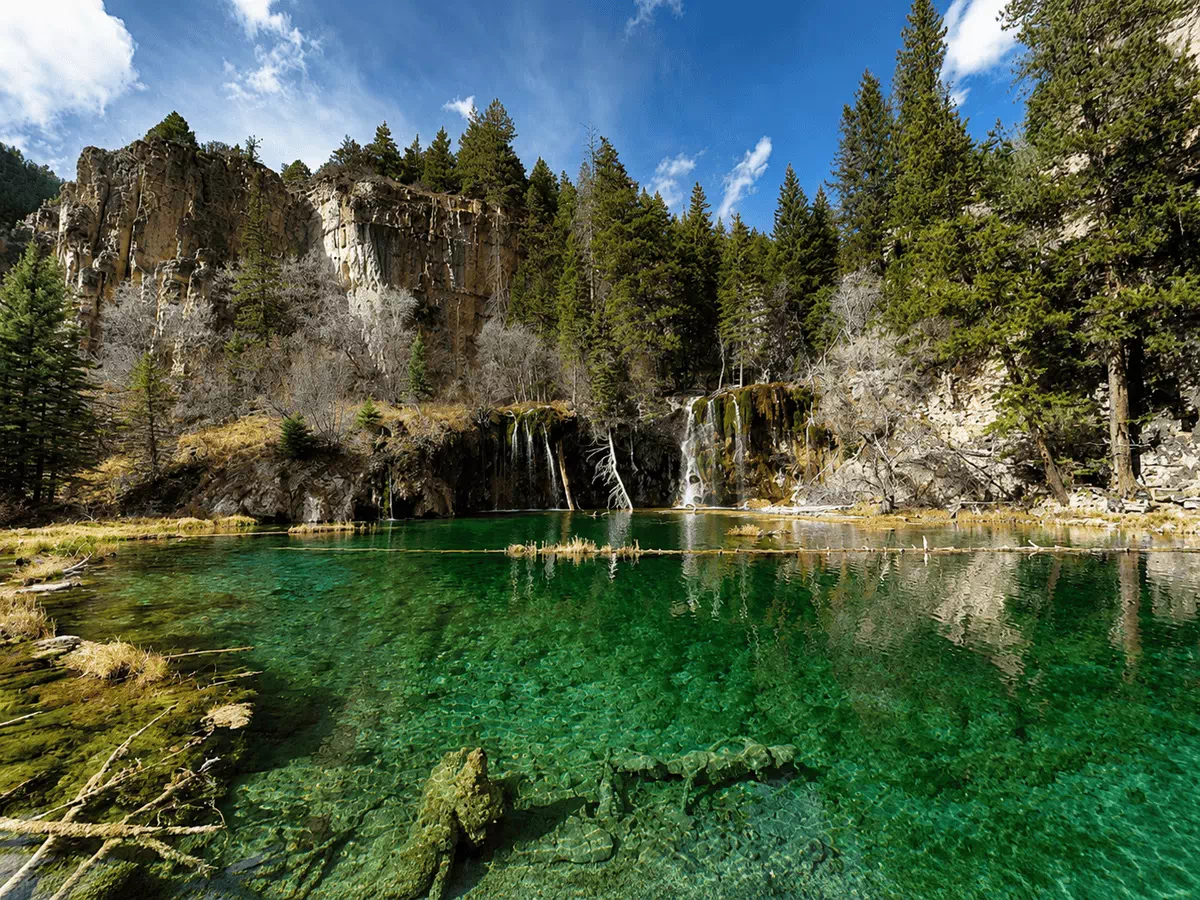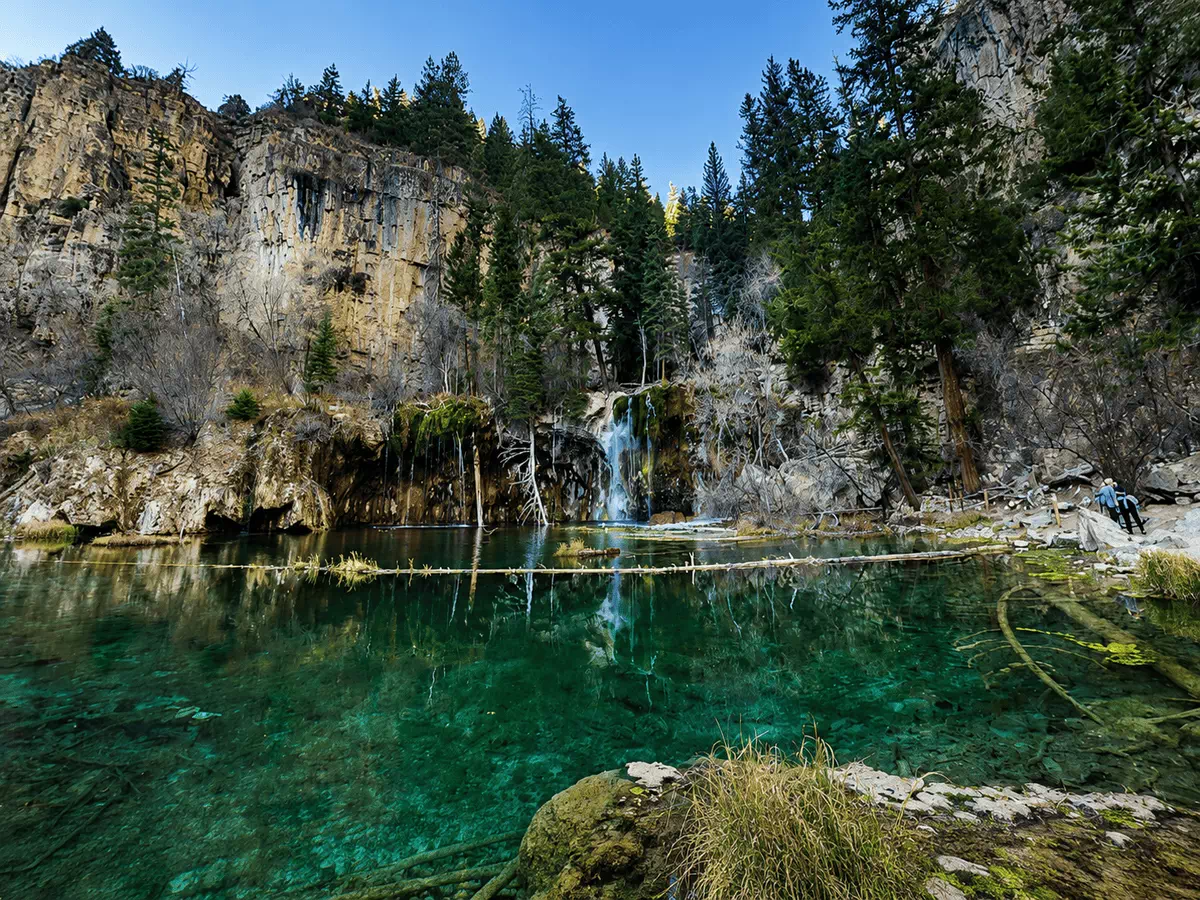
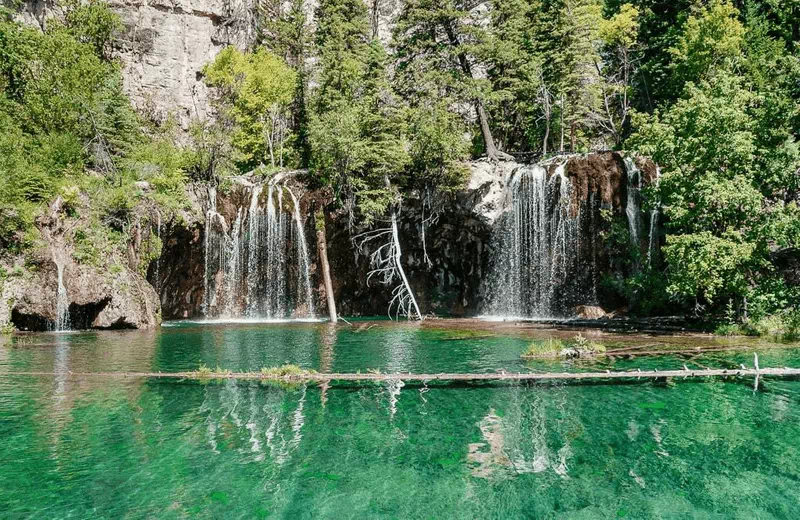
There's a lake in Colorado that shouldn't exist. It sits hundreds of feet above the canyon floor, hanging off the edge of a cliff like something out of a dream — turquoise water, ancient waterfalls, moss-covered limestone walls closing in around it. No road leads directly to it. No shortcut gets you there. The only way in is a brutally steep one-mile climb that'll make your lungs scream and your legs beg for mercy. And yet, over 100,000 people make that climb every single year. Once you see it, you'll understand exactly why.
Hanging Lake, Colorado — The Turquoise Waterfall That Stops People in Their Tracks
Nobody warns you about the silence.
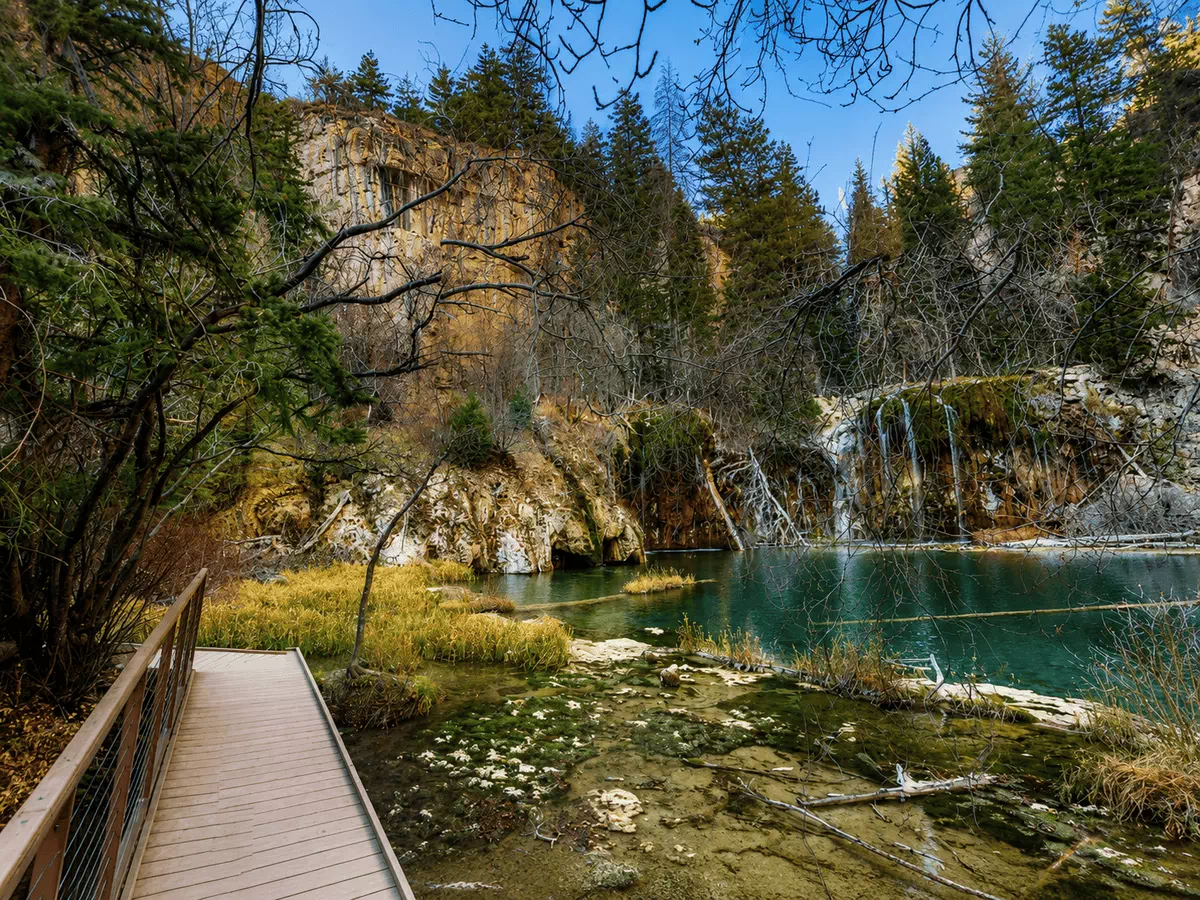
You spend the whole hike focused on the trail — watching your footing, catching your breath, cursing the elevation gain. Then the path opens up, the boardwalk appears, and suddenly you're standing in front of something so impossibly beautiful that your brain just... stops. No thoughts. No words. Just that glowing turquoise water suspended in midair, fed by a waterfall that's been carving this canyon for thousands of years.
Hanging Lake does that to people. Every single time. First-timers almost always go quiet when they see it. Some forget to even reach for their cameras.
That's the kind of place this is.
What Exactly Is Hanging Lake?
Here's what most people don't realize before they visit — this isn't just a pretty lake at the end of a hike. Hanging Lake is a geological marvel. One of only two hanging lakes in the entire world. Not in the US. On the planet.
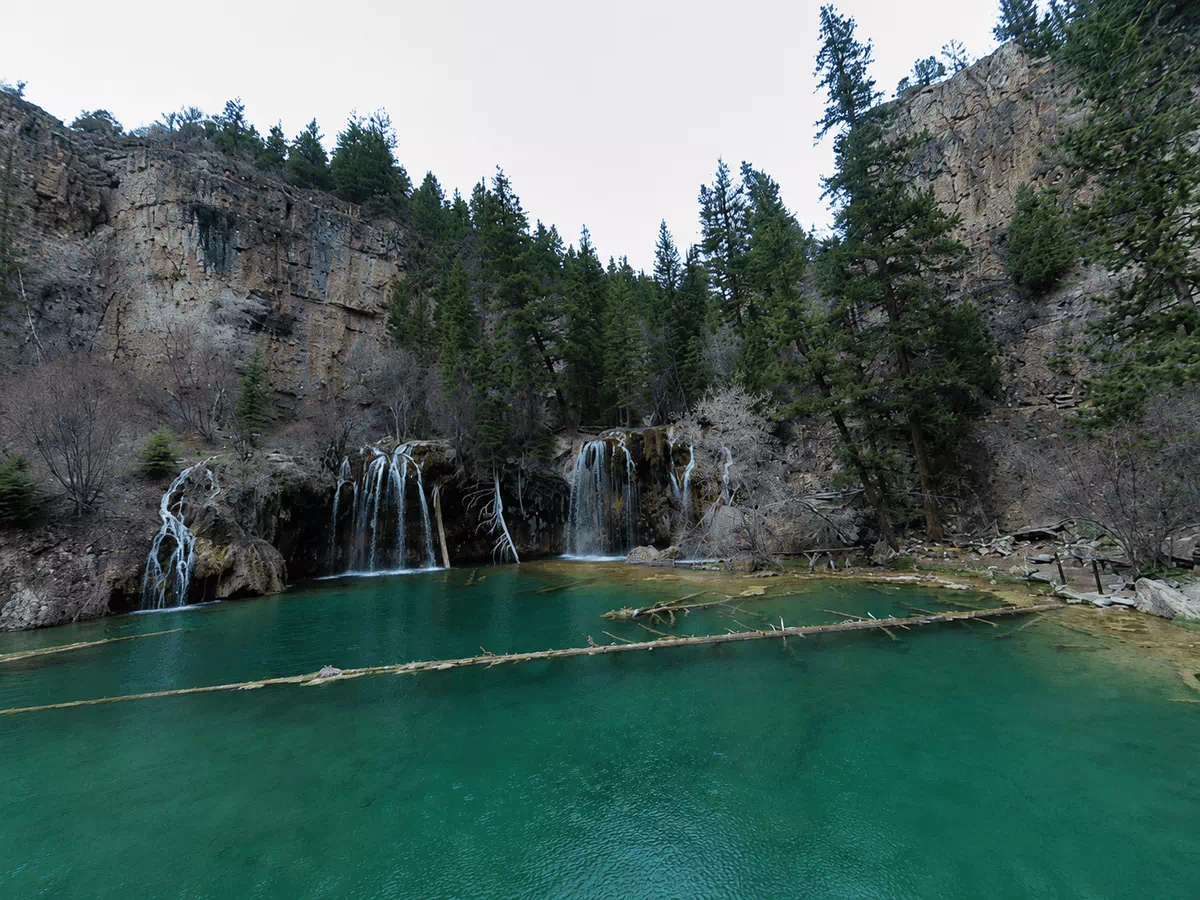
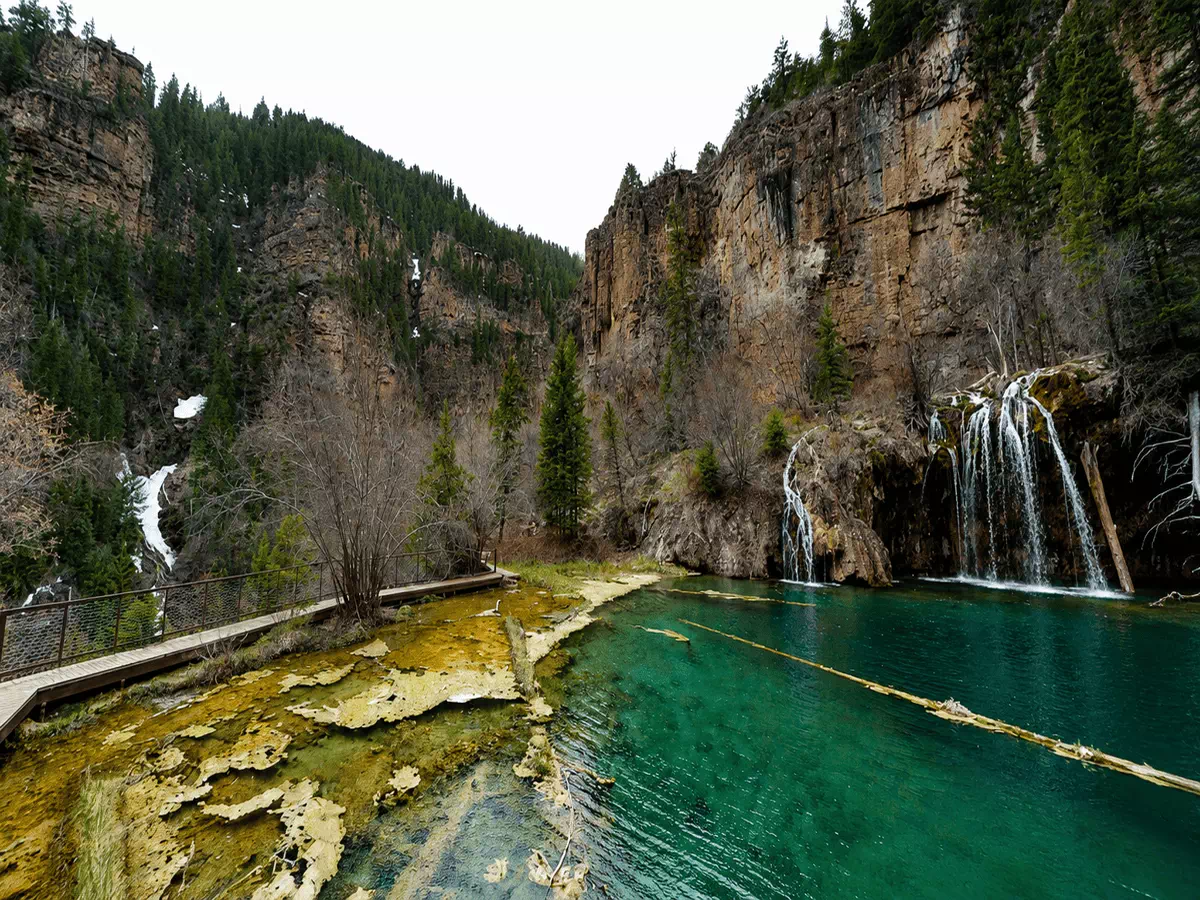
Millions of years ago, a fault line caused the canyon floor to literally drop away — but the lake stayed up. Suspended. Just hanging there on a natural shelf of travertine limestone while the rest of the earth fell beneath it. Over thousands of years, dissolved limestone carried by Dead Horse Creek kept depositing layer after layer along the shoreline, slowly building those gorgeous mineral-encrusted edges visible in every photo.
The U.S. government designated it a National Natural Landmark in 2011. Over 100,000 people visit every year. And honestly — once you've seen it, that number makes complete sense.
Why Is the Water That Color?
That impossibly gorgeous turquoise-green color isn't a filter. It's not a trick of light. It's pure science.
Minerals — specifically calcium carbonate from the travertine rock — scatter light in a way that makes the water glow. Add the surrounding moss and greenery reflecting off the surface, and the result is something that genuinely looks like it belongs in a fairy tale, not Colorado.
Most people who see photos of Hanging Lake assume the images are heavily edited. They're not. The water really looks like that — much like the surreal blue of Mono Lake in California.
The Trail: Beautiful but Brutally Honest
Let's be real — this hike is hard.
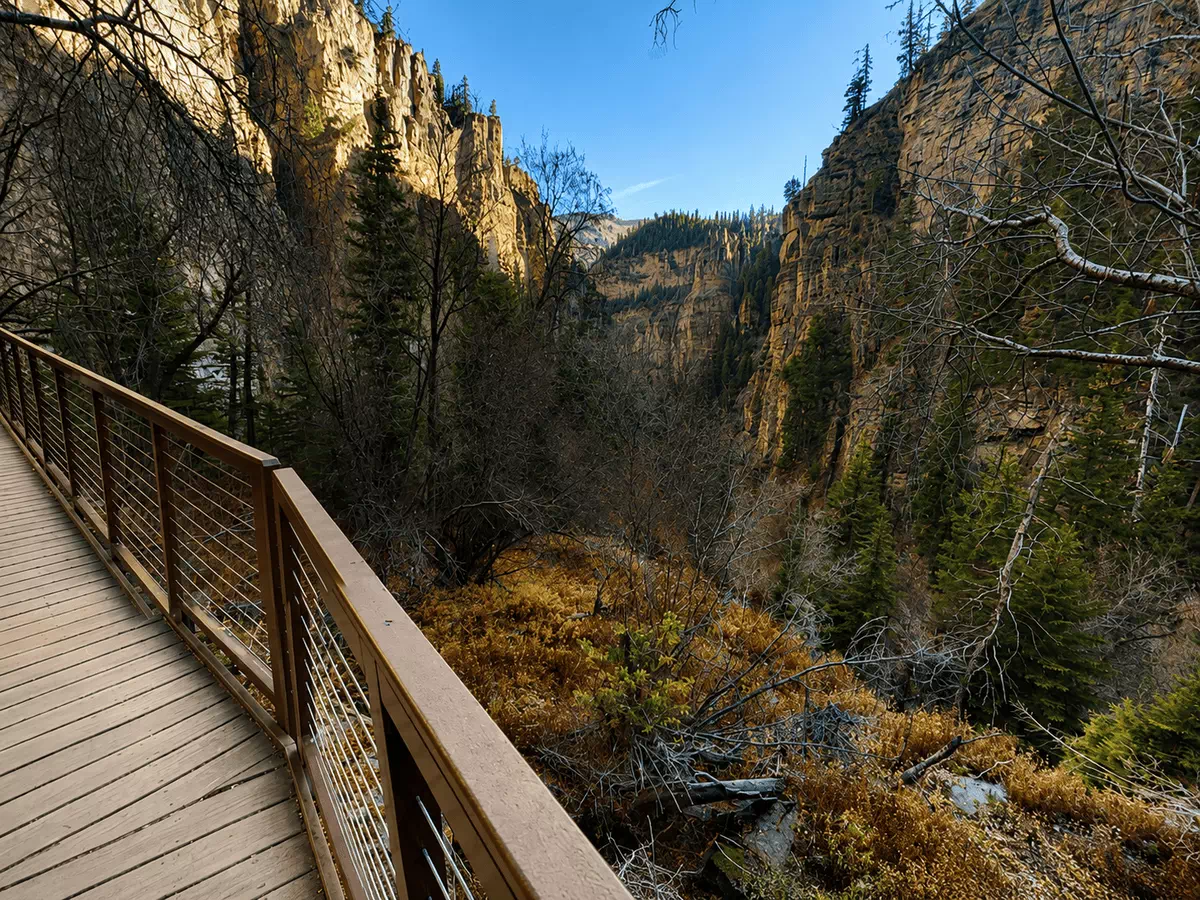
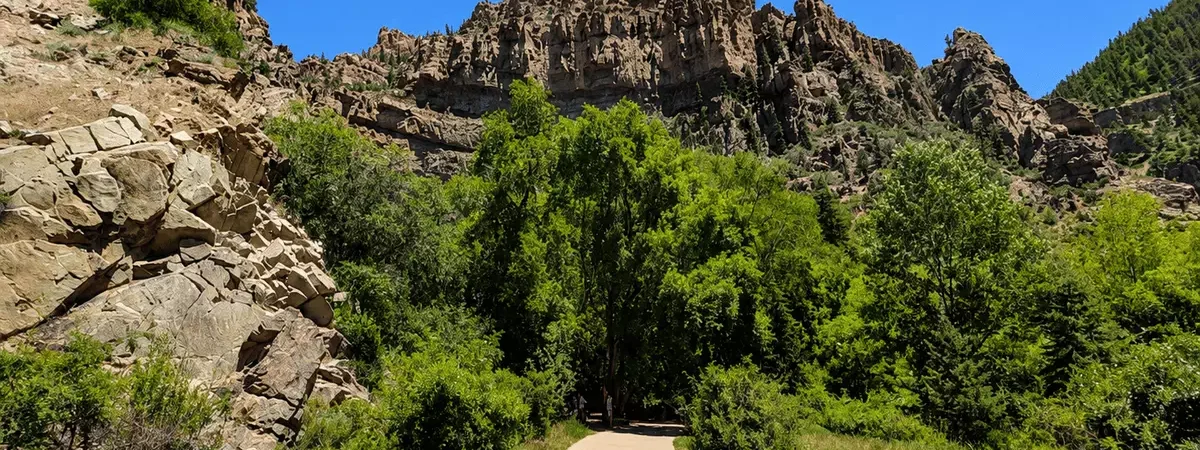
Not "oh it's a little challenging" hard. It's 1,200 feet of elevation gain packed into barely over a mile. One way. The trail crosses seven bridges, winds through rocky switchbacks, and climbs natural stone staircases that your legs will absolutely not forgive you for immediately. The whole thing is 2.8 to 3.4 miles round trip and takes most people somewhere between 2 to 3 hours total.
The lake sits at 7,323 feet above sea level. If you're coming from somewhere at low elevation, altitude is going to mess with you more than expected. Even fit hikers slow down. Even people who hike regularly find themselves stopping more than usual. Don't be embarrassed about it — just bring water, pace yourself, and don't race anyone.
Here's the thing though — it's technically doable for most people in decent shape. No ropes, no real exposure, no scrambling. It's just relentlessly steep. Which somehow makes it feel even harder.
Worth it. Completely, entirely worth it.
Permits: You Cannot Just Show Up
This is probably the most important thing to know before visiting — you need a permit. No exceptions.
Hanging Lake requires a permit year-round — similar to how Yosemite National Park in California manages its visitor flow. Available online at hanginglake.com.
Here's what to expect:
- $12 per person — May through October
- $10 per person — November through April
- Only 615 permits available per day
- Each permit gives a 3-hour hiking window
Book as early as possible. Permits sell out fast — especially on weekends and during summer months. Weekday mornings are the best bet for smaller crowds and easier permit availability.
One of the most common mistakes visitors make? Showing up without a reservation and getting turned away at the trailhead. Don't let that be you.
Two Waterfalls — and the Second One Is the One People Skip
Everyone comes to see Bridal Veil Falls. It feeds directly into the lake — a 45-foot cascade tumbling over cream-colored limestone deposits. It's gorgeous. It's the centerpiece. Every visitor photographs it from every possible angle.
But here's what most people miss.
Just 200 yards above the lake — a short but steep scramble — is Spouting Rock. And it's completely different from anything on the trail. Water doesn't fall down here. It shoots out horizontally through a hole in the cliff face. Like a faucet someone left running inside the mountain. Underground pressure forces groundwater through confined limestone passages until it just... bursts out sideways.
You can walk behind it.
Most visitors turn around at the lake and never see Spouting Rock. That's a genuine shame. Give yourself the extra ten minutes. It's worth every step.
The Rules Are Strict — and They Should Be
Hanging Lake is one of the most fragile ecosystems in Colorado. These rules aren't suggestions:
- No swimming — body oils and sunscreen destroy travertine formations built over thousands of years
- No touching the water — same reason
- No fishing — trout live in the lake and are fully protected
- No dogs or pets of any kind on the trail
- No standing on the logs floating in the lake
- No going behind or on top of the waterfalls
And a practical one that catches people off guard — there are no bathrooms at the lake and no water along the trail. Use the restrooms at the trailhead before starting. Bring all the water needed. Don't assume there'll be somewhere to refill.
When Should You Actually Go?
Summer is the obvious answer. It's also the busiest, most crowded, hardest-to-get-permits time of year.
The honest recommendation? May or September.
May means the waterfalls are roaring from snowmelt, wildflowers are starting to appear, and the canyon feels alive in a way it doesn't later in the season. September brings cooler temperatures, the beginning of fall color through the canyon, and noticeably thinner crowds.
Winter is something entirely different. The waterfalls freeze into dramatic icicles. The whole canyon goes quiet in a way summer never allows. It's genuinely magical — but you'll need crampons or micro-spikes and hiking poles, because the trail gets dangerously slippery without them.
| Season | What to Expect |
|---|---|
| May–June | Full waterfalls, wildflowers, cooler temps |
| July–August | Peak crowds, permits hardest to get |
| September | Sweet spot — less busy, fall color beginning |
| Winter | Frozen waterfalls, quiet canyon, requires traction gear |
Getting There
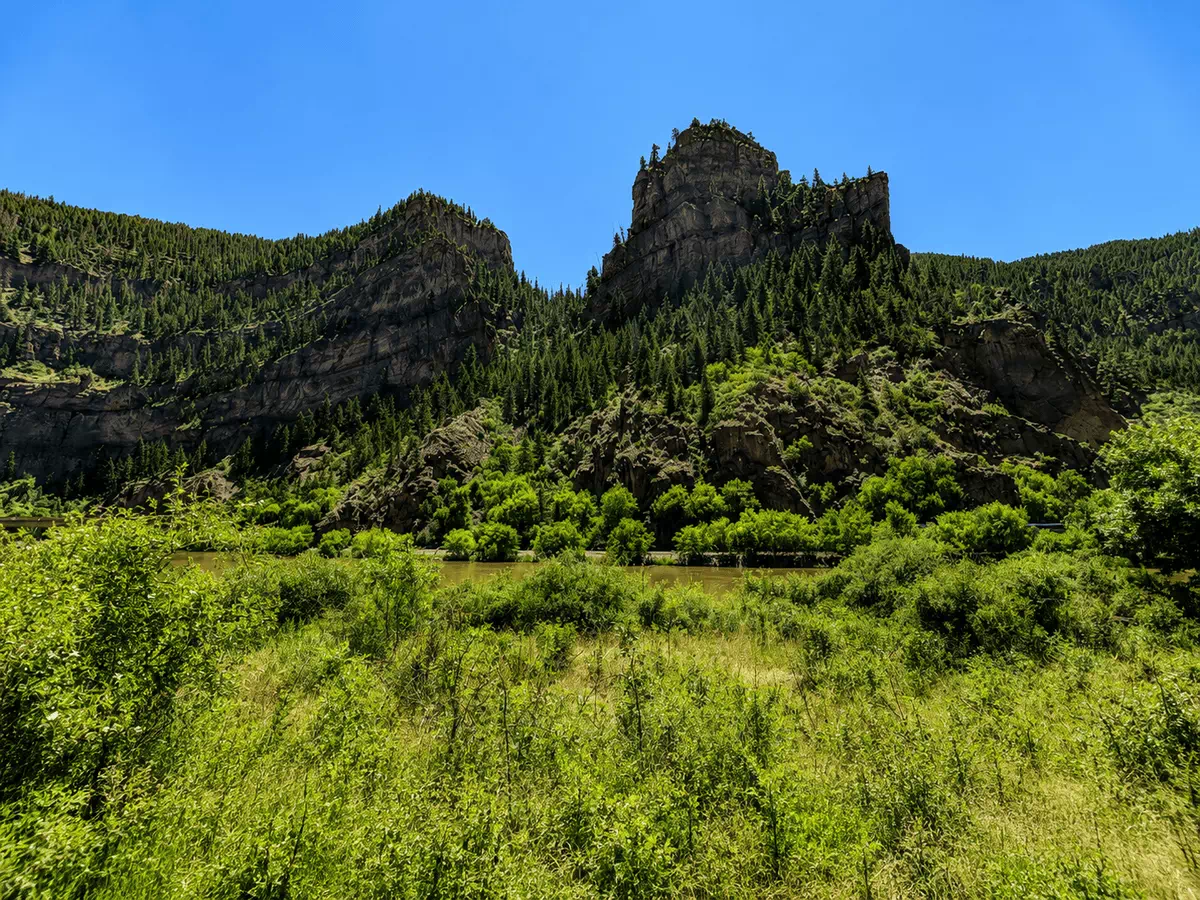
Hanging Lake is located about 7 miles east of Glenwood Springs off Interstate 70.
While you're exploring Colorado, Great Sand Dunes National Park is another unique natural wonder worth the detour.
- Driving east on I-70: Take exit 121 at Grizzly Creek, then head back eastbound to exit 125
- Driving west on I-70: Take exit 125 directly
- Important: Vehicles over 25 feet are not allowed in the parking area
- Summer option: Access via Glenwood Canyon Recreation Path by bicycle with a confirmed reservation
The lot fills up early on busy days. An early start is always the smarter move.
After the Hike — You've Earned This
Glenwood Springs is just 7 miles away and has exactly what tired legs need:
- Glenwood Hot Springs Pool — world's largest hot springs pool, perfect recovery spot
- Iron Mountain Hot Springs — quieter, more scenic alternative along the Colorado River
- Glenwood Canyon Bike Trail — beautiful paved path through the canyon if there's still energy left
- Defiance Rafting / Up the Creek Rafting — Colorado River white water trips
- Glenwood Caverns Adventure Park — caves, gondola rides, canyon views
If you're planning a longer Colorado trip, Ouray, Colorado is another stunning mountain escape worth adding to your itinerary.
Is Hanging Lake Worth It?
Yes. Without question.
It requires planning. Permits need to be booked ahead. The hike is genuinely difficult. But Hanging Lake is the kind of place that resets something — a reminder that the world has corners in it that are genuinely, stubbornly, impossibly beautiful.
Book the permit early. Wear proper shoes. Bring enough water. Start early in the morning.
And when the trail gets tough halfway up — just keep going.
What's waiting at the top is worth every step.
Book permits at: hanginglake.com