Traveling to New Zealand for the first time doesn’t begin when you land—it begins much earlier, somewhere between booking the ticket and realizing just how far away it is from everything you know. There’s anticipation, curiosity, and a quiet assumption that it will be beautiful. What most first-time travelers don’t expect is how deeply New Zealand affects them.
This is not a destination that overwhelms you with monuments or crowds. Instead, it slowly works its way in—through silence, space, kindness, and landscapes that feel almost unreal. New Zealand doesn’t shout for attention. It invites you to notice.
So what does it actually feel like to travel New Zealand for the first time? The answer isn’t just visual—it’s emotional, cultural, and surprisingly personal.
The First Feeling: Distance and Detachment From the World
For many travelers, New Zealand is the furthest place they’ve ever been. The long journey itself creates a mental shift. You’re not just visiting another country—you’re stepping out of the global rush.
When you arrive, that feeling deepens. News feels distant. Time slows down. Even major cities feel breathable. For first-time visitors, this detachment is unsettling at first—and then addictive.
You begin to realize that New Zealand operates on a different rhythm. People aren’t in a hurry to impress, sell, or compete. The country feels self-contained, as if it doesn’t need validation from the rest of the world.
That alone changes how you travel.
Landscape Shock: When Nature Feels Unreal
Photos of New Zealand don’t prepare you for scale, silence, or contrast. On your first trip, nature doesn’t feel like a backdrop—it feels like the main character.
One moment you’re surrounded by rolling green hills that look hand-painted. A short drive later, the landscape shifts completely—dense forests, wide open plains, dramatic mountains, misty lakes. The transitions are so sudden that they feel cinematic.
For first-time travelers, there’s a recurring thought: How can one country hold so many different worlds?
What’s most striking isn’t just beauty, but cleanliness and openness. There’s space everywhere—space to breathe, to stop, to think. You don’t feel rushed through nature; you feel invited to stay with it.
The Silence: An Unexpected Luxury
One of the most surprising feelings in New Zealand is silence—not emptiness, but a peaceful, living quiet.
In many places, especially outside major towns, you’ll notice the absence of noise pollution. No constant honking. No aggressive crowds. No background chaos. Instead, you hear wind, birds, water, and your own footsteps.
For first-time visitors, this silence can feel uncomfortable at first. We’re not used to it. But soon, it becomes grounding. You start waking up calmer. You notice small details. You become more present.
New Zealand teaches you how loud the rest of the world really is.
The People: Calm, Kind, and Unpretentious
First-time travelers often expect New Zealanders (Kiwis) to be friendly—but the reality is more nuanced and more genuine.
People are polite without being fake. Helpful without being intrusive. Conversations feel easy and unforced. There’s no pressure to impress, no obsession with status. Whether you’re speaking to a café owner, a farmer, or a city professional, the tone remains relaxed and equal.
What surprises many travelers is how normal everything feels—in the best way. There’s no performance of culture. People simply live it.
This creates a sense of safety and belonging, even for solo travelers or those visiting for the first time.
Driving Through New Zealand: Where the Journey Changes You
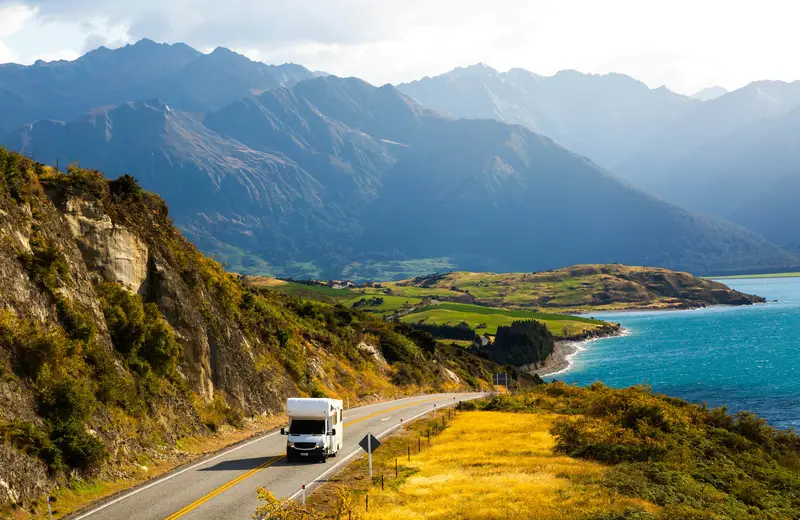
For first-time visitors, driving in New Zealand is not just transportation—it’s an experience.
Roads cut through landscapes that seem untouched. Traffic is minimal. Signage is clear. The act of driving becomes meditative rather than stressful.
You’ll stop often—not because you planned to, but because you have to. Viewpoints appear unexpectedly. Light changes the scenery every hour. Even short drives feel meaningful.
Many travelers realize something important during these drives: New Zealand isn’t about ticking locations off a list. It’s about moving through space slowly and letting the country reveal itself.
A Shift in Travel Priorities
Something subtle happens after a few days in New Zealand. You stop craving “top attractions” and start valuing experiences.
You care less about doing everything and more about doing enough. Sitting by a lake feels productive. Taking an unplanned detour feels right. Canceling plans doesn’t feel like failure.
For first-time travelers, this shift is unexpected. New Zealand quietly redefines what a “successful trip” looks like. It’s not about how much you see—it’s about how deeply you feel connected.
Culture Without Overexplanation
New Zealand’s cultural presence—especially Maori culture—is not aggressively marketed to tourists. Instead, it exists naturally, woven into language, place names, values, and respect for land.
First-time travelers often notice how culture here isn’t packaged—it’s lived. There’s an emphasis on guardianship of nature, community, and balance rather than dominance.
You don’t feel like an outsider observing culture from a distance. You feel like a guest expected to behave thoughtfully.
That quiet cultural confidence leaves a lasting impression.
Food, Coffee, and Simple Comforts
New Zealand doesn’t overwhelm with flashy cuisine, but it excels at quality and simplicity.
Fresh ingredients, excellent coffee, and well-executed everyday food dominate the experience. Cafés feel local, not touristy. Meals feel nourishing rather than indulgent.
For first-time travelers, food becomes a comfort rather than a highlight—and that’s part of the charm. You eat well, consistently, without thinking too much about it.
It reinforces the larger feeling of balance that defines travel in New Zealand.
The Emotional Surprise: Feeling at Peace
Many travelers expect excitement from a new country. Few expect peace.
New Zealand has a way of lowering your internal volume. Anxiety softens. Overthinking fades. You feel more like yourself—or maybe a calmer version of yourself.
First-time travelers often struggle to describe this feeling. It’s not constant happiness or thrill. It’s steadiness. Contentment. Mental clarity.
And that feeling doesn’t disappear when the trip ends—it follows you home.
Why New Zealand Feels Safe for First-Time Travelers
Safety in New Zealand isn’t just about low crime rates. It’s emotional safety.
You feel comfortable asking questions. Comfortable being alone. Comfortable making mistakes. The country doesn’t punish curiosity.
This makes New Zealand especially powerful for:
-
Solo travelers
-
First-time international travelers
-
Slow travelers
-
Nature-focused travelers
The country allows you to grow into travel, rather than forcing you to adapt quickly.
The Inevitable Comparison: Why Everywhere Else Feels Louder After
One of the most honest parts of traveling New Zealand for the first time happens after you leave.
Airports feel harsher. Cities feel louder. People feel rushed. You realize how much noise, pressure, and urgency you accepted as normal before.
New Zealand recalibrates your baseline.
Many travelers return home changed—not dramatically, but meaningfully. They value space more. They rush less. They crave nature, not novelty.
That’s when you understand the real impact of the trip.
Is New Zealand Perfect?
First-time travelers sometimes idealize New Zealand—and it’s important to be honest. It’s not perfect.
It’s expensive. Weather can be unpredictable. Distances can be deceptive. Nightlife is quieter than in many countries.
But these “flaws” are deeply connected to what makes New Zealand feel the way it does. The quiet, the space, the lack of excess—they are features, not bugs.
New Zealand doesn’t try to be everything for everyone. And that’s exactly why it works.
Why the First Trip Stays With You Forever
Traveling New Zealand for the first time isn’t about seeing something new—it’s about feeling something different.
You feel calmer. More grounded. More present. You feel what travel is supposed to feel like before it became rushed and performative.
That first trip becomes a reference point. Every destination after it is quietly compared to how New Zealand made you feel.
And long after the photos fade, that feeling remains.