Koh Kradan Beach: Thailand's World-Ranked Island Travel Guide
There are Thai islands with bigger reputations, louder beach bars, and more Instagram posts per square kilometer. Koh Kradan is not one of them. This small, narrow island off the coast of Trang Province has roughly 2.4 square kilometers of land, no roads, no ATMs, no shopping, and no nightlife. What it does have is the beach that the World Beach Guide ranked number one on earth in 2023 — a fact that still manages to surprise people who discover it only after they arrive.
Koh Kradan is one of those rare places where the reality is not slightly disappointing. It actually matches the pictures.
| Quick Facts | Details |
|---|---|
| Location | Andaman Sea, Trang Province, southern Thailand |
| Island Size | ~2.4 sq km, roughly 4 km north to south |
| Part of | Hat Chao Mai National Park |
| Nearest Mainland | ~10–12 km from the coast |
| Nearest Airport | Trang (TST) |
| Best Time to Visit | November to April (dry season) |
| Island Closes | August 1 – September 30 (annual park rest period) |
| No. of Resorts | Handful — book well in advance in peak season |
| ATMs on Island | None — bring cash |
| Roads/Vehicles | None — sand paths and jungle trails only |
Why Koh Kradan Is Different from Every Other Thai Island
Most of Thailand's southern islands reached a turning point years ago. The bars multiplied, the tour groups arrived, and the beaches filled up. Koh Kradan avoided almost all of that. The majority of the island falls under Hat Chao Mai National Park protection, which means large-scale development is prohibited. The result is an island where the loudest things after 9 pm are the cicadas.
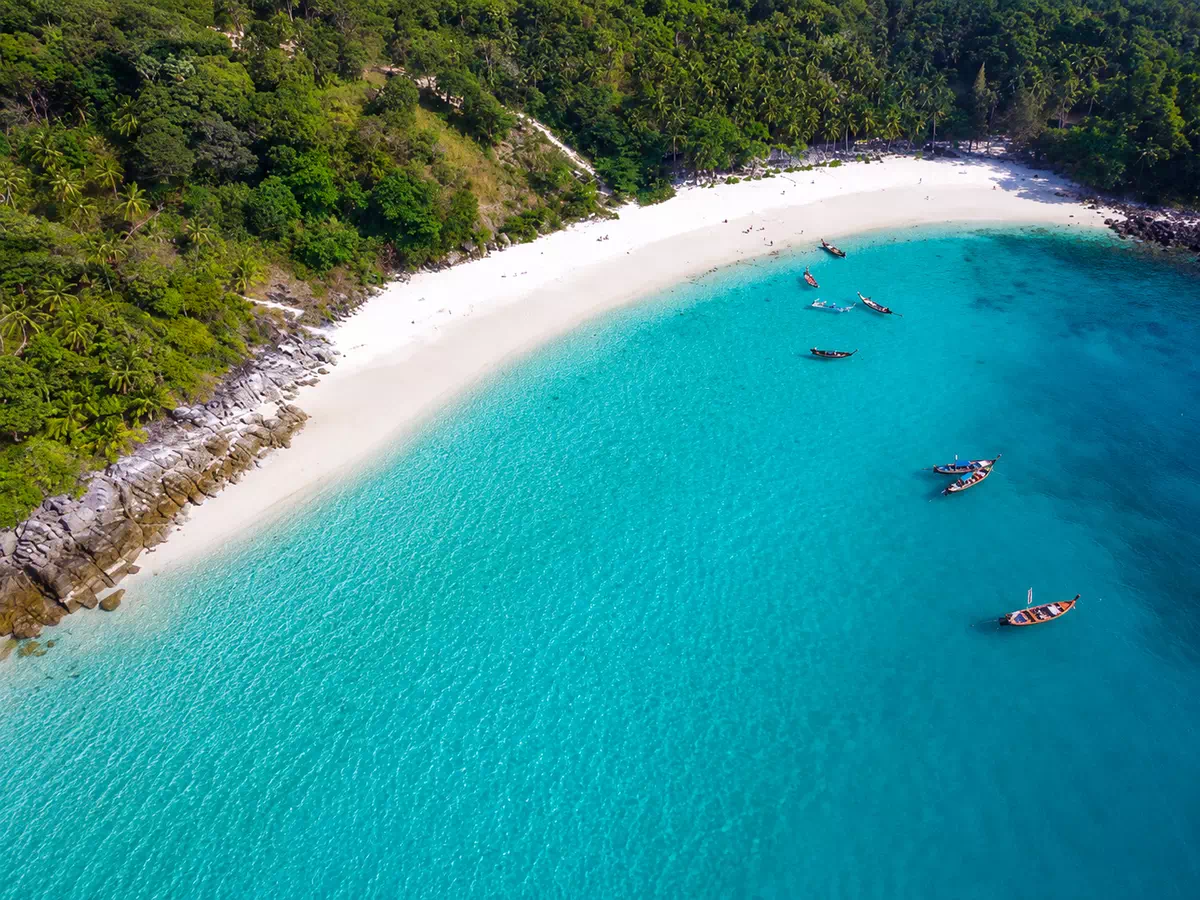
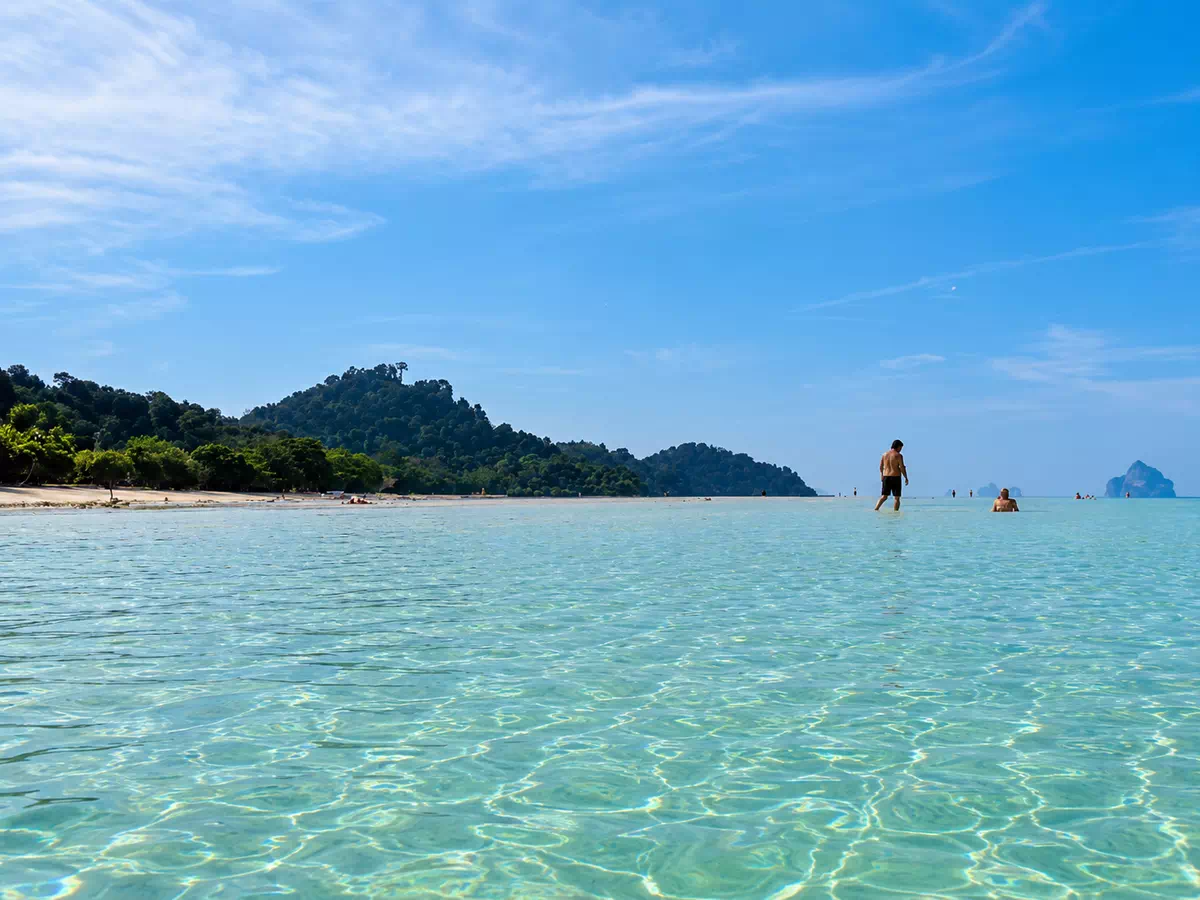
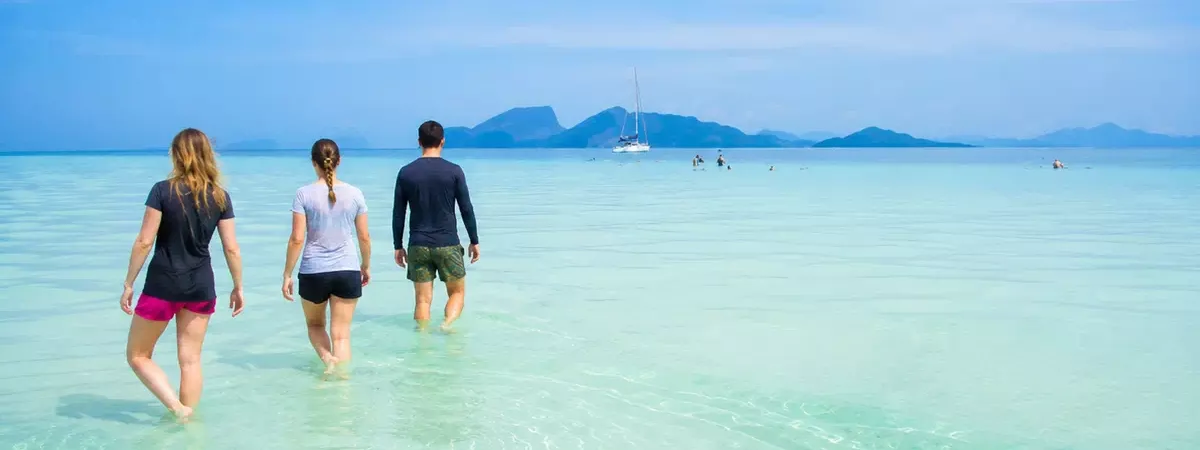
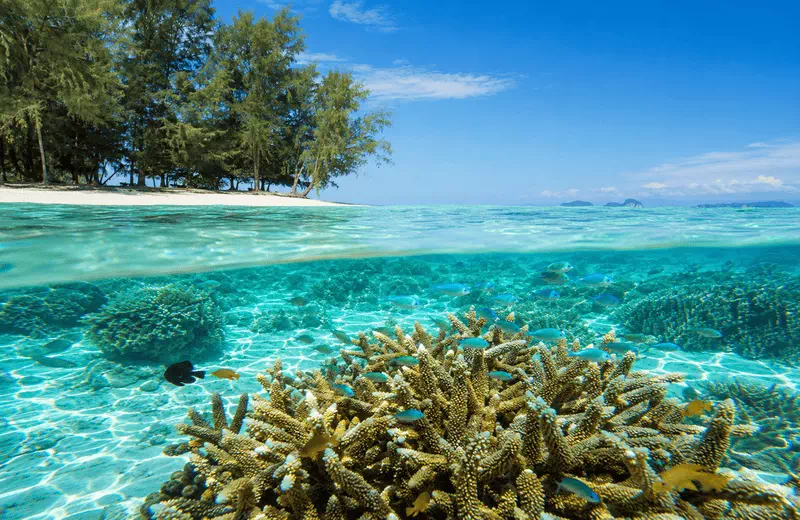
What makes the beach itself stand out is the geometry. The shallow water off the east coast — called Paradise Beach or Ao Kradan — extends roughly 200 meters at waist depth before the seafloor drops away. That shelf of warm, clear water sitting above one of the most accessible coral reefs in southern Thailand is why visitors keep coming back. You do not need to rent a boat or hire a dive guide. You walk in, and within 50 meters you are watching staghorn corals and colorful fish from the surface.
Compare that to the popular beaches across Thailand, and Koh Kradan's scale is unusual. It is not the longest beach, not the most dramatic, and certainly not the most convenient to reach. The appeal is something quieter: an island that is genuinely difficult to commercialize because there is almost no infrastructure to build on.
Best Time to Visit Koh Kradan
The dry season runs from November to April. Those are the months when the Andaman side of Thailand settles into calm, clear weather. Seas stay flat, visibility underwater is sharp, and getting here by boat is easy. January and February sit at the peak of peak season — expect the ferry to sell out and resorts to charge their highest rates.
March and April offer a middle ground. The weather holds well, prices ease slightly compared to January, and the island feels a fraction less crowded. If you want one month that balances good conditions with reasonable availability, April is worth considering.
November and December are underrated months for Koh Kradan. Schools are still in session in most countries, prices are lower than January, and the seas are already calm. Locals call this "soft high season" for good reason.
The island goes quiet from May onward. Monsoon season brings rough Andaman seas, and most resorts close by May or June. The island itself officially closes from August 1 to September 30 each year under the national park rest schedule — this is not just seasonal business closures, it is a hard closure. Confirm your travel dates with the resort before booking anything during the May–October window.
How to Reach Koh Kradan
There is no airport on Koh Kradan. The only way in is by boat, which means you first need to reach either Trang or one of the nearby islands.
From Bangkok to Trang
The overnight train from Bangkok's Hua Lamphong station to Trang takes roughly 15–16 hours. It is a comfortable, affordable way to arrive rested without the expense of a flight. If you prefer to fly, Trang Airport (TST) receives daily domestic flights from Bangkok's Don Mueang Airport via AirAsia and Nok Air. The flight takes about 90 minutes.
Trang to the Pier
From Trang city, a shared minivan or private taxi takes roughly 45 minutes to reach Kuan Tung Ku Pier (also spelled Khuan Tung Ku), the main departure point for Koh Kradan during high season. The drive covers about 30 kilometers southwest of the city.
Pier to Koh Kradan
- A long-tail boat from Kuan Tung Ku Pier to Koh Kradan costs around 400 THB per person if you are sharing, or 1,500–2,000 THB for the whole boat. Travel time is approximately 20–30 minutes.
- Tigerline Ferry runs a combined minivan and high-speed boat package from Trang's bus and train stations, with the ferry portion transferring passengers via longtail shuttle to Koh Kradan. The full journey takes roughly 3.5–4 hours from Trang station. Check current schedules and prices directly with the operator, as they vary by season.
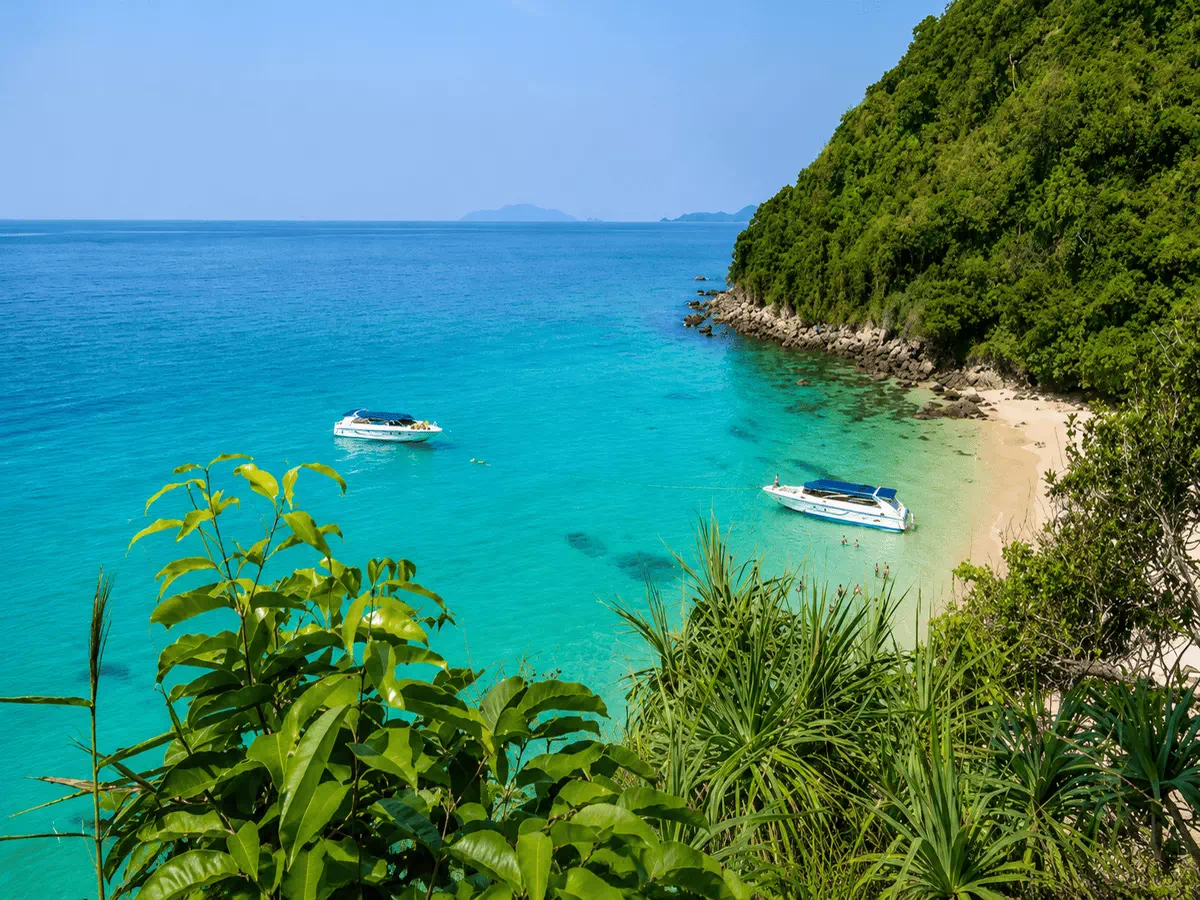
- A private speedboat (for up to 10 passengers) from the pier costs around 6,000 THB per boat and takes approximately 20 minutes.
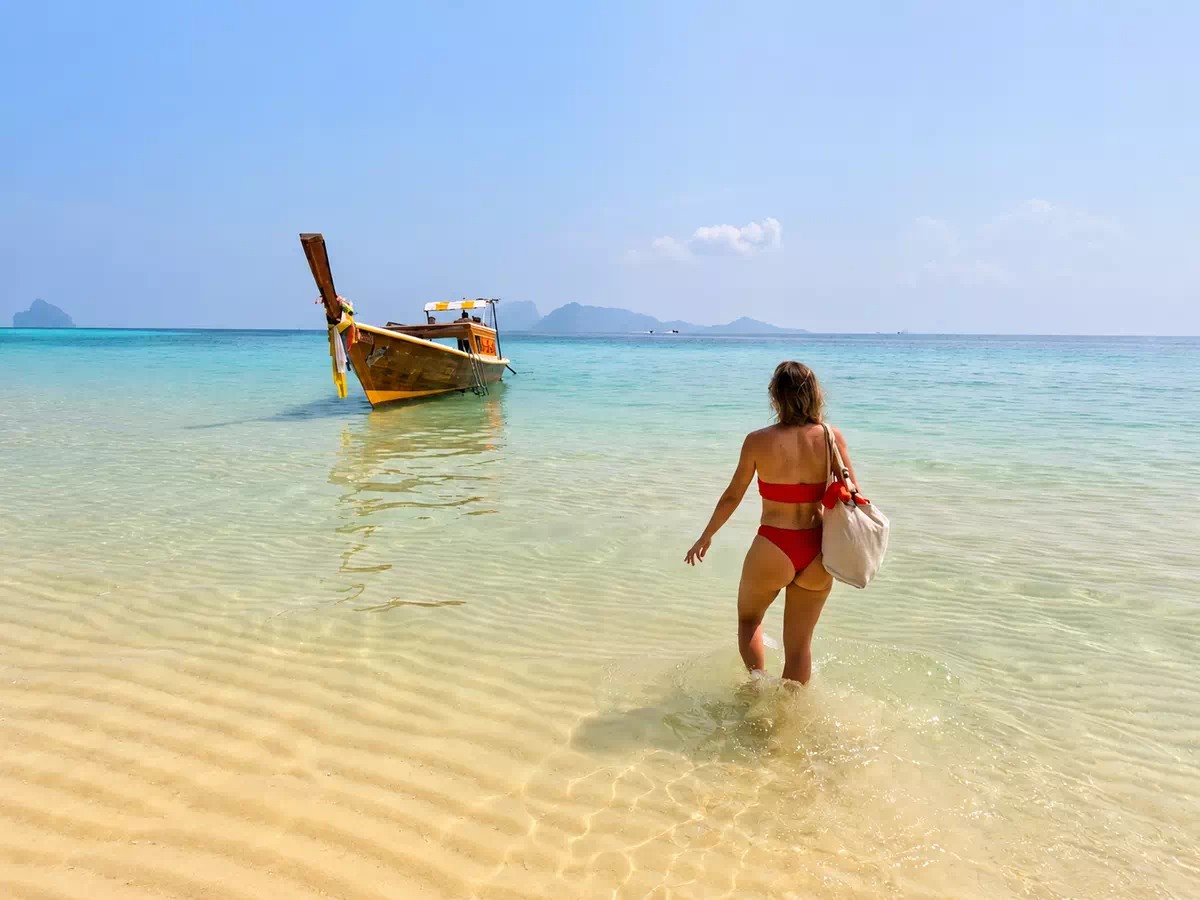
Since there is no pier structure at Koh Kradan, all boats anchor offshore and you wade or get carried the last few meters to the beach. Pack electronics in a waterproof bag for the landing.
From Nearby Islands
If you are already on the Andaman island circuit, Koh Kradan sits conveniently between Koh Lanta to the north and Koh Lipe to the south. Speedboats connecting these islands stop at Koh Kradan during high season. A longtail charter from neighboring Koh Mook takes about 15–20 minutes and costs around 700 THB per boat. From Koh Ngai, it is a similarly short ride.
Getting to these islands without expensive package tours is more straightforward than it sounds — there are practical routes to reach hidden Thailand destinations that work well for independent travelers.
The Beaches of Koh Kradan
Paradise Beach (Ao Kradan)
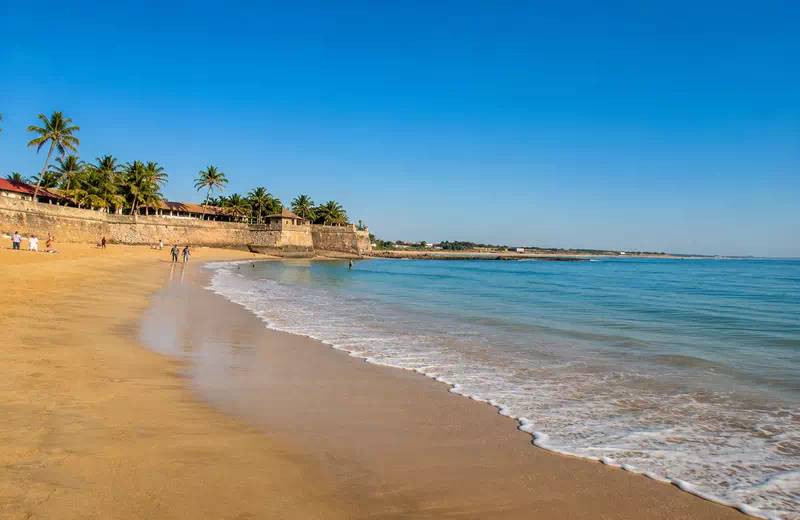
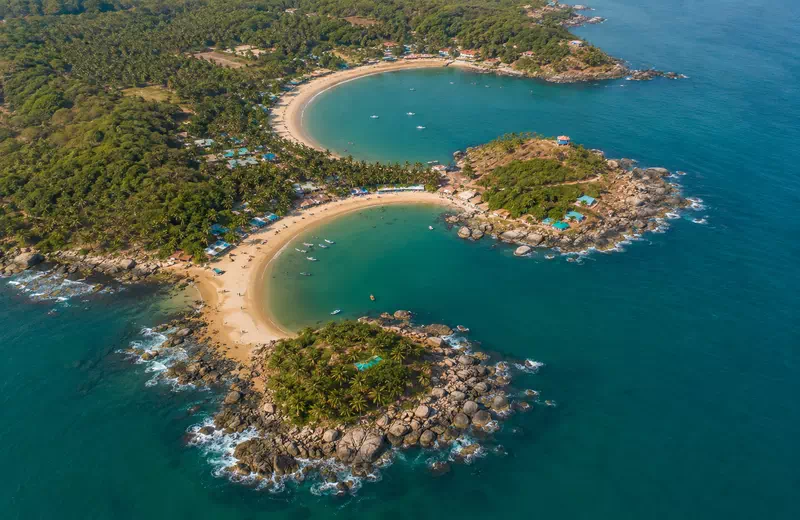
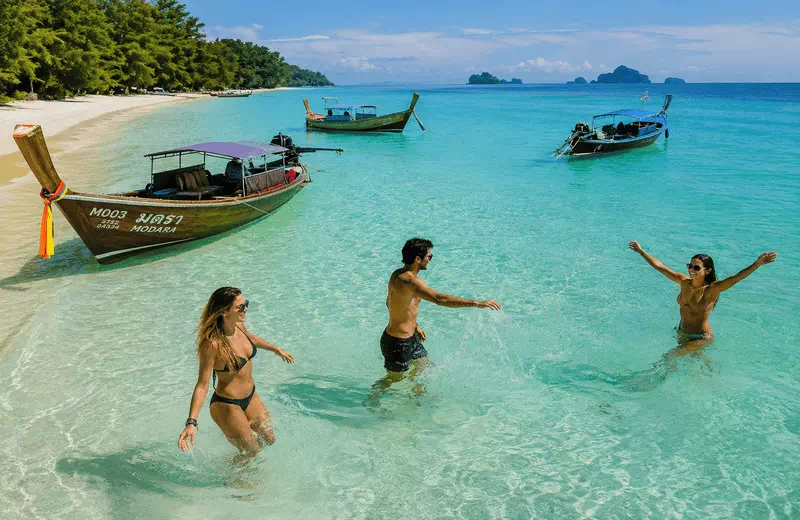
This is the main beach on the east coast, and the one that earned the island its international ranking. It runs for roughly 1.5–2 kilometers of white sand, with the water staying shallow and warm for about 200 meters before the reef drops off. Most of the island's resorts sit here, which means some longtail day-tripper traffic from late morning to early afternoon. By 2 pm, when the tour groups head back, it quiets down considerably.
Image suggestion: Wide-angle view of Ao Kradan/Paradise Beach, Koh Kradan, with turquoise water and white sand foreground, jungle-backed shoreline. Alt: Paradise Beach (Ao Kradan) on Koh Kradan, the world-ranked beach in Trang Province, Thailand.
Ao Nieng Beach
Located on the south side of the island, Ao Nieng stretches about 800 meters. It is reachable by walking from Paradise Beach at low tide — straightforward. At high tide, you will wade waist-deep around a rocky outcrop to get there, which is part of why fewer people bother. The reef here is different: soft corals rather than the hard staghorn variety, and smaller fish including clownfish. A single resort — Ao Niang Beach Resort — sits here, making it among the quieter spots on an already quiet island.
Sunset Beach (Ao Chong Lom)
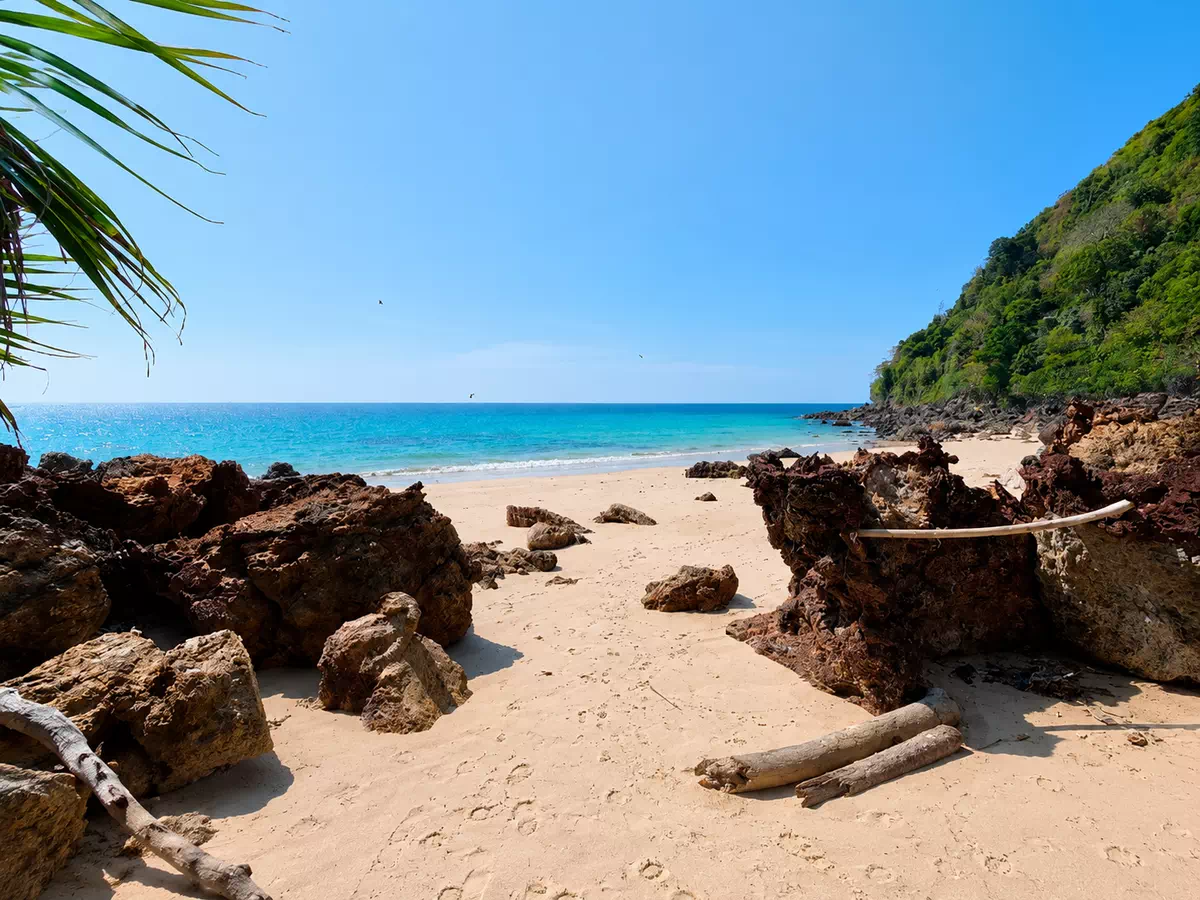
A marked jungle trail cuts across the island from near Kradan Beach Resort, taking about 10–15 minutes on foot. The beach on the west side is small — roughly 100 meters — but it faces directly into the Andaman sunset. Bring something to sit on. One honest caveat: ocean debris occasionally washes up here because the west-facing coast is more exposed. The view is worth the walk, but go without expecting the manicured sand of Paradise Beach.
Ao Pai Beach
On the north tip of the island, this short beach (roughly 200 meters) has no coral reef and fewer visitors than the others. Quiet, with good views toward Koh Chueak and Koh Whan in the distance.
Snorkeling and Water Activities
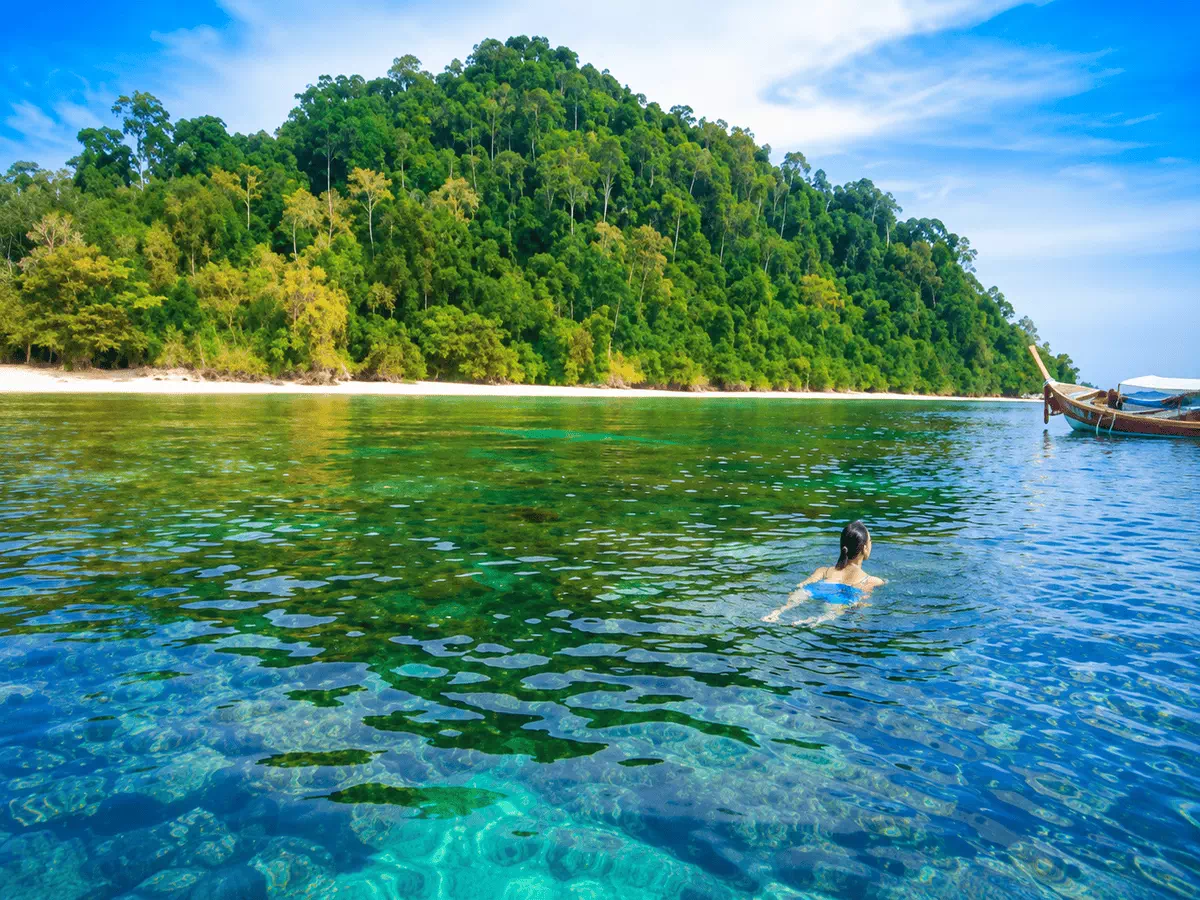
Koh Kradan's reef is the reason many travelers plan the whole trip. You do not need a tour, a boat, or much equipment. Rent a mask and fins from any resort for around 50–100 THB, wade into the water off Paradise Beach, and the coral begins within 50 meters of shore.
The main reef at Paradise Beach is best worked from north to south — start in front of Sevenseas Resort and let the gentle current drift you south. The hard corals here include dense staghorn formations, and the marine life is varied: reef fish, moray eels, and if you are patient, occasional octopus sightings. Stay inside the floating buoy line, as the reef drops sharply beyond that point.
The Ao Nieng reef runs about 50 meters from that beach's shoreline and tends to have calmer conditions because it faces south rather than east. Beginners and children handle it more easily since the water stays shallow close to shore for longer.
For diving, Koh Kradan itself is a good base — the reef is accessible for open-water divers, and the nearby islands of Koh Chueak and Koh Waen (both visible from the beach) offer more experienced dive sites. Compared to the famous Koh Similan Islands, the Trang reefs are calmer and closer to shore, which suits snorkelers and recreational divers well.
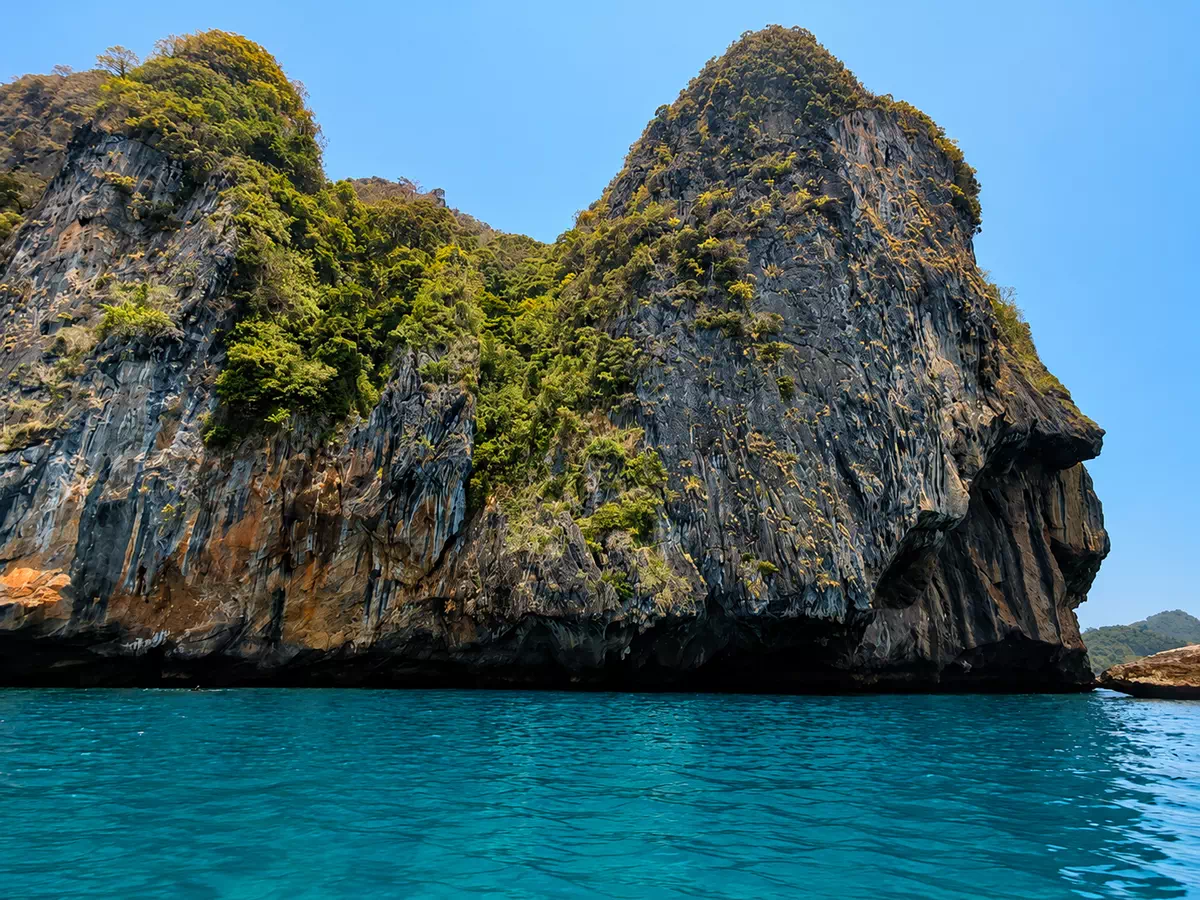
Kayaks and stand-up paddleboards (SUP) are available at most resorts. The Reef Resort offers free kayak and SUP use for guests. Paddling around the island's northern tip on a calm morning — with the limestone peaks of neighboring islands sitting on the horizon — is an experience that requires no planning and no expense beyond wherever you are staying.
Island Hopping from Koh Kradan
The Trang island group makes a natural circuit. From Koh Kradan, Koh Mook is the most popular day trip — it takes about 15–20 minutes by longtail and the famous Emerald Cave (Tham Morakot) is on the island's west coast. The cave requires swimming about 80 meters through a dark, narrow passage at low tide; the beach on the other side, ringed by vertical limestone walls, makes it worth every second. Go early morning before the tour groups arrive.
Koh Ngai is 45 minutes north by longtail, a quieter island with excellent diving and snorkeling of its own. Many people use Koh Ngai as a less-expensive alternative base for visiting Koh Kradan by day trip. If you want island variety on one trip, both are worth including.
The Koh Yao Noi island and Koh Yao Yai in Phang Nga Bay are further north but connect via speedboat services during high season for travelers building a longer Andaman circuit.
The Trang Underwater Wedding is one of the more unusual things associated with Koh Kradan. Every year around Valentine's Day (February 14), couples get legally married underwater near the island in a ceremony that started decades ago and now draws participants from across Thailand and internationally. The ceremony includes traditional Thai blessing rituals, with couples in scuba gear signing a waterproof marriage certificate. If you are visiting in mid-February, book accommodation months in advance — the island fills up.
Where to Stay on Koh Kradan
Accommodation options are limited by design, because most of the island is protected national park land. Book early for high season; resorts sell out, and there are no last-minute walk-in options here.
Budget
- Kradan Beach Resort — The most affordable option on the island, with basic fan bungalows starting around 1,500–2,000 THB per night. Directly on Paradise Beach. The restaurant here does reliable Thai food, including a well-regarded southern-style orange seafood curry.
- National Park Tent Camping — The park office rents tent setups for around 400 THB per night. Genuinely budget, genuinely basic. The mosquitoes are serious and power from the generator cuts out at night. Confirm availability before relying on this.
Mid-Range
- The Reef Resort — Consistently high-rated for service quality. Guests get free kayak and SUP use. The resort has a small pool. Rates typically run 3,500–5,000 THB per night.
- Paradise Lost Bungalows — Smaller operation, well-reviewed for the personal attention from staff. Good value for the beach access.
Splurge
- Sevenseas Resort — The landmark property on the island, sitting directly on Paradise Beach. Air-conditioned rooms with open-air bathrooms, a swimming pool, spa, and a restaurant that runs breakfast, lunch, and dinner services. Rates vary significantly by season, running from around 7,000 THB on the lower end to considerably more during peak weeks. Opened in 2008 and remains the most established upscale option.
- Mali Kradan — Newer than Sevenseas, with its own reef directly in front and a beachfront bar that does good cocktails (around 250 THB). The restaurant's burgers and western food options are better than average for the island.
Every resort on Koh Kradan is island-priced. A 1.5-liter bottle of water costs roughly 40 THB instead of the mainland's 15 THB. Meals run 150–400 THB at resort restaurants. Budget travelers should know this going in — the island is not budget-friendly, but it is the right trade-off for the experience.
A 3-Day Itinerary for Koh Kradan
Day 1: Arrive and do nothing efficiently Reach Kuan Tung Ku Pier from Trang, boat to the island, check in. Spend the afternoon walking the length of Paradise Beach from north to south. Snorkel the southern end of the reef before the day-tripper boats arrive or after they leave around 2 pm. Sunset from the beach, dinner at your resort.
Day 2: West coast and reef depth Morning snorkel at Ao Nieng — the walk at low tide takes 20 minutes from Paradise Beach's southern end. Spend an hour exploring the soft coral reef there, which is calmer and different enough from the main reef to be worth the detour. After lunch, take the jungle trail to Sunset Beach. The walk takes 10–15 minutes. Bring water. Time your arrival for an hour before sunset.
Day 3: Day trip to Koh Mook Hire a longtail from the beach (around 700 THB one-way from Koh Mook, negotiable) or join a shared trip arranged through your resort. Reach Koh Mook by mid-morning and go straight to the Emerald Cave before the group tours fill the passage. Swim through, spend time on the hidden beach inside, then return to Koh Mook's Farang Beach for lunch. Back to Koh Kradan by afternoon.
Budget Breakdown (Per Person, Per Day)
All prices in Thai Baht (THB). These are approximate ranges — island prices fluctuate by season and operator. Confirm current rates directly with resorts and boat operators.
| Category | Budget | Mid-Range | Splurge |
|---|---|---|---|
| Accommodation (per night) | 1,500–2,000 | 3,500–5,000 | 7,000–15,000+ |
| Meals (3 per day) | 450–600 | 700–1,200 | 1,500+ |
| Snorkel gear rental | 50–100 | 50–100 | Included at resort |
| Longtail boat day trip | 300–500 (shared) | 700–1,500 | Private charter |
| Transport (Trang to island) | 400–500 (shared) | 700–1,000 | 2,000–6,000 (private) |
| Estimated daily total | ~2,000–3,000 | ~5,000–8,000 | ~10,000+ |
Money-saving tips: Staying one or two nights on Koh Mook or mainland Trang, then doing Koh Kradan as a day trip, cuts accommodation costs significantly. The island itself does not change — Paradise Beach looks the same whether you slept on it or arrived at 9 am by longtail. If budget is tight, this is the practical workaround.
Responsible spending: The island has limited infrastructure and all goods are boat-delivered. Paying resort prices here is not a rip-off — it reflects real logistics costs. Tipping service staff is appreciated and goes a long way.
Travel Tips for Koh Kradan
Cash is essential. There are no ATMs on the island. Bring more than you think you need, in smaller denominations. Some resorts accept cards, but connectivity is unreliable and machines occasionally fail. The nearest ATM is in Trang or at Pak Meng pier area on the mainland.
The generator runs limited hours. Power on Koh Kradan comes from a diesel generator. It typically runs during evening and daytime hours but cuts out at certain points — especially late at night. Charge your devices during powered windows. Bring a portable power bank.
Reef-safe sunscreen only. Chemical sunscreens containing oxybenzone and octinoxate damage coral reefs. The Hat Chao Mai National Park reef is a genuinely healthy ecosystem. The right thing to use here is mineral sunscreen (zinc oxide or titanium dioxide). This is not a minor point — the reef is the reason you came.
Mosquitoes are serious. The island is mostly jungle. At dusk and dawn, the insects are aggressive. A good DEET repellent is non-optional. Light, long-sleeved clothing for evenings also helps.
Pack light and use a backpack. There are no wheeled surfaces on Koh Kradan. Sand and narrow jungle paths are the only terrain. Rolling luggage becomes genuinely inconvenient from the pier landing onward.
Wet landings are standard. You will get your feet wet disembarking from boats. Wear sandals that can handle salt water, and keep electronics in a dry bag during the boat transfer.
Check the island calendar. The annual closure from August 1 to September 30 is firm. Many individual resorts close earlier (May or June) due to the monsoon. Always confirm with your resort before booking.
For anyone concerned about the environmental impact of visiting, it helps to read about responsible travel practices in Thailand before arriving — especially around coral reef etiquette and national park rules.
Photography on Koh Kradan
The best light on Paradise Beach comes from the east, which means sunrise hits the main beach directly. The beach faces east, so the water glows turquoise from the first hour of daylight. Day-tripper boats have not yet arrived, the beach is empty, and the angle of light across the water is as good as it gets. Set your alarm.
For Sunset Beach, you need to be on the west side of the island. The sun drops behind the Andaman Sea in the late afternoon, and if there are clouds on the horizon — which is common — the colors last 20–30 minutes after the sun disappears. Shoot from the beach looking northwest for the widest open view.
Underwater photography is worth the effort even with just a phone in a waterproof case. The shallow reef means natural light reaches the coral without strobes. Shoot in the direction of the sun (not away from it) for color-accurate shots of the staghorn coral and reef fish.
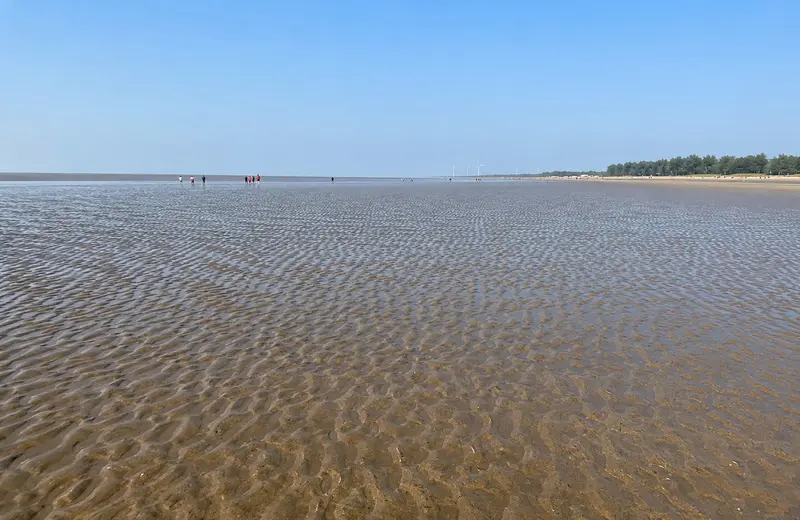
The low-tide sandbar that appears off the south end of Paradise Beach is worth timing specifically — the sand emerges from the water and creates a walkable strip that feels entirely private, extending into the sea. It looks the way island travel is supposed to look and rarely does.
Staying Nearby: Koh Mook as a Budget Base
It is worth mentioning directly: Koh Mook, visible from Paradise Beach and reachable in 15–20 minutes by longtail, offers a very different experience. It has a functioning fishing village, local food stalls, and accommodation that costs significantly less than anything on Koh Kradan. The beaches on Koh Mook are not as celebrated, but the Emerald Cave alone justifies a visit.
For travelers who want the Koh Kradan experience without the island's accommodation premium, staying on Koh Mook and taking a longtail day trip to Koh Kradan works well. The day-tripper boats that arrive at Paradise Beach mid-morning and leave by early afternoon include people who made exactly this calculation.
Koh Kradan and the Trang Islands: The Wider Picture
Koh Kradan sits within a cluster of islands — alongside Koh Ngai, Koh Mook, Koh Libong, Koh Sukorn — that form the quieter, less-developed alternative to Krabi's and Phuket's better-known destinations. Compared to Railay Beach or the Koh Phi Phi Don and Koh Phi Phi Le pair, the Trang islands see fewer international visitors and have not gone through the same development cycle. That is either a disadvantage (fewer facilities, harder to reach) or precisely the point, depending on what you are looking for.
The Koh Yao Noi and Koh Yao Yai islands further north in Phang Nga Bay offer a similar "unspoiled Andaman" feel for those building a longer southern Thailand route. The Trang circuit and the Phang Nga circuit connect via the speedboat network during high season.
Wrapping Up
Koh Kradan earns its reputation simply by existing in the form it does. A working coral reef you can swim to from a world-class beach, on an island with no roads and almost no infrastructure, two hours from a regional airport. The world's travel rankings confirmed what people who had been here already knew. Your next step is checking the boat schedule from Trang, booking a resort before high season fills everything, and making sure your dry bag is packed. Everything else sorts itself out when you wade ashore.