
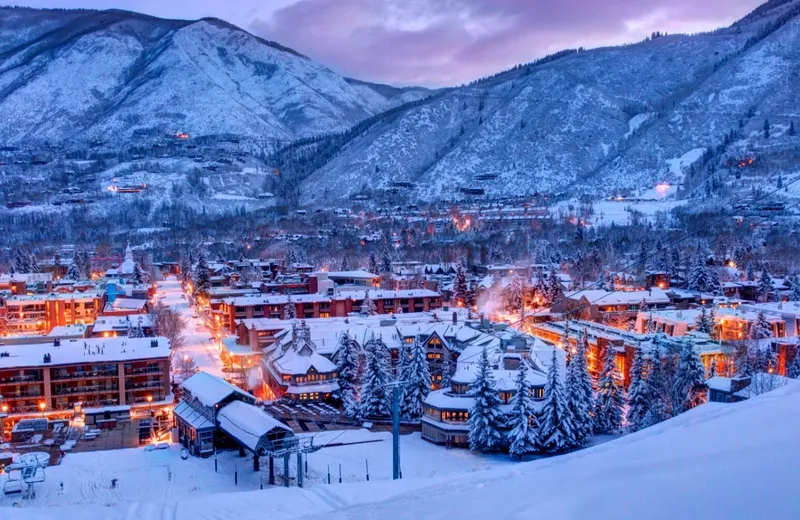
Aspen, Colorado, is a world-renowned mountain destination famous for its four premier ski areas (Aspen Mountain, Snowmass, Aspen Highlands, and Buttermilk), stunning Rocky Mountain scenery, luxury resorts, and vibrant cultural scene. Nestled in the Roaring Fork Valley at over 8,000 feet elevation, it's accessible year-round, though winter brings peak crowds and potential weather challenges. The main options are flying directly into the convenient local airport, driving scenic routes, or taking buses/shuttles. This guide covers practical details, including timelines, costs (as of late 2025), and tips for each method.
1. Flying: The Most Convenient Option
The easiest and fastest way to reach Aspen is flying into Aspen/Pitkin County Airport (ASE), located just 3 miles from downtown—often called the most scenic and convenient ski-town airport in North America.
- Major Airlines and Direct Routes (winter 2025-2026 season; schedules vary seasonally):
- United Airlines: Year-round from Denver (DEN); seasonal from Chicago (ORD), Houston (IAH), Los Angeles (LAX), San Francisco (SFO), and others.
- American Airlines: From Dallas/Fort Worth (DFW), Chicago (ORD), Phoenix (PHX), Austin (AUS), Charlotte (CLT—new route), and Los Angeles (LAX).
- Delta Air Lines: From Atlanta (ATL), Los Angeles (LAX), and Salt Lake City (SLC—seasonal).
- Peak winter sees over 200 weekly nonstops from up to 10+ major cities.
- Flight Details:
- Short flights from Denver: ~45 minutes (multiple daily).
- From coastal hubs: 2–4 hours.
- The airport is small and efficient; note potential weather delays in winter due to mountain surroundings.
- Ground Transportation from ASE:
- Free RFTA buses to downtown Aspen and Snowmass Village.
- Taxis, rideshares (Uber/Lyft), hotel shuttles, or rental cars available curbside.
- Many hotels offer complimentary pickups.
- Pros: Quick access to slopes/hotels; no long drives.
- Cons: Higher fares during peak ski season; limited aircraft size due to runway constraints.
- Best For: Skiers wanting to maximize time on the mountain.
2. Scenic Drives: Epic Rocky Mountain Road Trips
Driving offers unparalleled views of Colorado's dramatic landscapes. The primary route is year-round, while a spectacular alternative opens seasonally.
- Main Year-Round Route: Via I-70 and Glenwood Canyon (from Denver):
- Distance: ~200 miles.
- Time: 4–5 hours (longer in traffic or snow).
- Route: I-70 west through ski towns like Vail, then south on Highway 82 from Glenwood Springs.
- Highlights: Stunning Glenwood Canyon (sheer red walls and Colorado River), hot springs in Glenwood, and Roaring Fork Valley approach.
- Summer Scenic Route: Over Independence Pass (typically open late May–October):
- Distance: ~160–180 miles (shorter but windier).
- Time: 4–5 hours.
- Route: From Denver via US-285 south to Fairplay/Leadville, then Highway 82 over the Continental Divide (12,085 ft elevation).
- Highlights: Alpine tundra, Twin Lakes, aspen groves, and hairpin turns with panoramic 14er views.
- Tips:
- Check CDOT (cotrip.org) for conditions; winter tires/chains often required.
- AWD/4WD recommended in winter; traffic heavy on weekends/holidays.
- Rent cars at Denver International Airport (DEN) for most options.
- Pros: Flexibility, breathtaking scenery, stops at hot springs or towns.
- Cons: Mountain weather/traffic can add hours; challenging for inexperienced drivers.
- Best For: Adventure seekers enjoying the journey.
3. Buses & Shuttles: Relaxed and Affordable Alternatives
Avoid driving with public or private ground transport, especially useful from Denver.
- Public Options:
- Bustang (CDOT service): From Denver Union Station to Glenwood Springs (~4 hours).
- Transfer to RFTA (Roaring Fork Transportation Authority) buses downvalley to Aspen (~1 hour; frequent, affordable).
- Total: 5–6 hours, $30–$50 one-way.
- Private Shuttles (from DEN or other airports):
- Roaring Fork Express, Epic Mountain Express, or similar: Shared rides (~4–5 hours, $100–$150) or private SUVs/vans (faster, pricier).
- Door-to-door service to hotels; great for groups with gear.
- Pros: No driving stress; scenic without responsibility; eco-friendly public options.
- Cons: Longer than flying/driving; schedules less flexible.
- Best For: Budget travelers or those avoiding mountain roads.
Other Tips and Considerations
- Alternate Airports: Eagle County (EGE, ~70 miles) or Denver (DEN, ~220 miles) for more flights, then shuttle/drive.
- In Aspen: The town is walkable; use free RFTA buses, bikes, or shuttles between mountains. Parking is limited downtown.
- Seasonal Notes: Winter (Dec–Apr) for skiing—book early; summer for hiking/festivals with open passes.
- Choosing Your Method: Fly for convenience; drive for views; bus/shuttle for ease.