
A Country That Refuses to Stay the Same
There are countries where travel feels linear—you move from one place to another, collecting experiences that blend together. New Zealand is not one of them.
In New Zealand, change happens fast. Not in a chaotic way, but in a way that constantly resets your senses. You can wake up to mist-covered hills, spend midday near dramatic coastlines, and end the evening under alpine skies—all within the same day. The shifts are so frequent and so distinct that it feels less like traveling through one country and more like moving between entirely different worlds.
For first-time visitors especially, this constant transformation becomes one of the most unforgettable parts of the journey. New Zealand doesn’t reveal itself all at once. It reshapes itself every few hours—through landscape, light, weather, culture, and emotion.
This is the story of a country that never lets you settle into a single version of it.
Geography as a Shape-Shifter
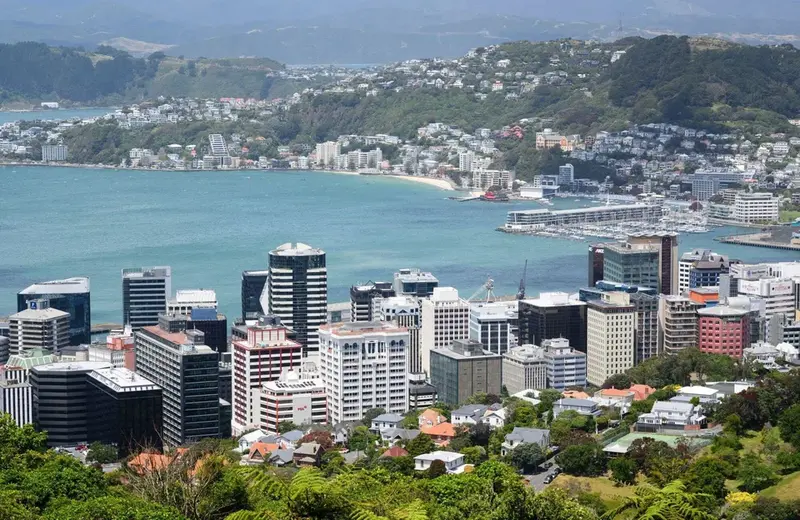
New Zealand’s ability to feel like many worlds begins with its geography. Few countries pack so much variety into such a small physical space.
Within short distances, you move through:
-
Rolling farmland
-
Dense native forests
-
Rugged coastlines
-
Wide open plains
-
Mountainous regions
-
Quiet lakes and rivers
What makes this remarkable isn’t just the diversity, but the speed of transition. Landscapes don’t fade gradually—they change decisively. One turn in the road, one shift in elevation, and the entire environment feels new.
For travelers, this creates a sense of constant discovery. Just when you think you understand the country, it presents a completely different face.
The Morning World: Soft, Quiet, and Introspective
Mornings in New Zealand often feel like their own universe.
Light arrives gently, filtered through mist or low clouds. Roads are quiet. Nature feels unclaimed by the day. Even in populated areas, there’s a sense of stillness that encourages reflection rather than movement.
This is the time when New Zealand feels introspective. Travelers often find themselves slowing down without trying—walking longer, thinking deeper, speaking less. Morning landscapes feel delicate rather than dramatic, subtle rather than bold.
It’s a version of New Zealand that invites presence, not performance.
Midday: When the Country Opens Up
As the sun rises higher, New Zealand changes character.
Landscapes become more vivid. Colors sharpen. Movement increases. This is when the country feels expansive and confident. Wide valleys reveal their scale. Coastlines feel powerful rather than calm. Forests feel alive instead of quiet.
Midday in New Zealand often brings clarity—both visually and mentally. You understand distances better. You recognize patterns in the land. You feel oriented.
For many travelers, this is when exploration peaks. Not because it’s busier, but because everything feels fully revealed.
Afternoon Transitions: The Country on the Move
Afternoons are when New Zealand’s most dramatic changes often occur.
Clouds gather or disperse. Winds shift. Light angles transform familiar landscapes into something entirely different. A place you passed earlier in the day no longer looks the same.
This constant evolution keeps travelers alert and curious. There’s no such thing as “already seen” in New Zealand. Every return feels new.
Emotionally, afternoons feel dynamic. You’re not settling—you’re adapting. And that adaptability becomes part of the travel experience.
Evening: When the Land Softens Again
As evening approaches, New Zealand transitions once more.
Colors deepen. Shadows stretch. The energy lowers. Landscapes regain intimacy. Even dramatic environments feel approachable and calm.
Evenings in New Zealand often bring a sense of closure without finality. The day doesn’t end abruptly—it unwinds. Travelers find themselves lingering longer, rushing less, watching rather than moving.
It’s a gentle reminder that New Zealand isn’t about constant stimulation. It’s about rhythm.
Weather: A World-Changer Every Few Hours
One of the most talked-about aspects of New Zealand travel is the weather—and for good reason.
Weather here isn’t background noise. It actively reshapes the experience. Sunshine can turn a landscape inviting. Cloud cover can make it mysterious. Rain can add drama rather than inconvenience.
What surprises first-time visitors is how frequently weather shifts—and how accepted that is. Locals adapt without complaint. Travelers quickly learn that unpredictability is part of the country’s identity.
Rather than fighting the weather, New Zealand teaches you to move with it. Each shift feels like entering a new version of the same place.
Cultural Shifts Without Borders
New Zealand doesn’t separate culture by region in obvious ways. Instead, cultural changes are subtle, lived, and often felt more than seen.
As you move through the country, you notice shifts in:
-
Pace of conversation
-
Relationship with land
-
Community interactions
-
Daily routines
These differences don’t announce themselves. They reveal themselves slowly, through observation.
This creates a sense that each area has its own personality, even without clear boundaries. You don’t cross cultural lines—you drift through them.
The Emotional Geography of Travel
Beyond physical changes, New Zealand also reshapes how travelers feel—sometimes within the same day.
You might feel:
-
Calm in the morning
-
Energized by midday
-
Reflective in the afternoon
-
Content by evening
The country doesn’t impose emotions. It creates conditions for them.
This emotional variety is one of New Zealand’s most powerful qualities. It allows travelers to experience multiple internal states without leaving the same journey.
Roads That Act Like Portals
In New Zealand, roads don’t just connect places—they transition worlds.
Short drives can feel like time travel. One moment you’re surrounded by open farmland, the next you’re enclosed by forest. A coastal stretch leads suddenly into mountainous terrain.
These rapid transitions make travel itself immersive. You don’t simply arrive somewhere—you enter it.
For many travelers, the most memorable moments happen between destinations, not at them.
Why New Zealand Never Feels Repetitive
Despite its size, New Zealand rarely feels repetitive. That’s because change isn’t just spatial—it’s temporal.
The same place can feel entirely different:
-
Morning vs evening
-
Clear weather vs clouds
-
Quiet hours vs active ones
This means you don’t need to constantly move to feel variety. Staying longer in one place can feel like visiting multiple versions of it.
That’s why many travelers find themselves emotionally attached to places they didn’t plan to love.
A Country Designed for Presence
New Zealand’s constant transformation has a subtle effect on travelers: it keeps them present.
You can’t rely on expectations here. Conditions shift. Views change. Plans adapt. This pulls attention into the moment rather than the itinerary.
Travelers often realize they’re checking their phones less. Photographing selectively. Observing more.
New Zealand doesn’t reward rushing—it rewards noticing.
The Illusion of Distance and the Reality of Depth
On a map, New Zealand looks manageable. In experience, it feels layered.
Every few hours, the country asks a new question:
-
Can you slow down here?
-
Can you adapt here?
-
Can you observe rather than control?
Each shift adds depth rather than distance. You don’t feel like you’re covering ground—you feel like you’re peeling layers.
This is why travelers often leave feeling they’ve experienced more than expected, even if they visited fewer places.
Why This Constant Change Leaves a Lasting Impression
Many destinations impress. Fewer transform.
New Zealand’s ability to change every few hours creates a lasting memory not because it’s dramatic, but because it’s immersive. You don’t remember a single highlight—you remember a sequence of feelings.
Travelers often struggle to explain what made New Zealand special. It wasn’t one place or moment. It was the flow—the way the country kept becoming something new without losing its identity.
Is This Experience for Everyone?
New Zealand’s constantly shifting nature appeals most to travelers who:
-
Enjoy variety without chaos
-
Appreciate subtlety over spectacle
-
Are comfortable adapting plans
If you’re open to change, New Zealand rewards you. If you resist it, the country still remains beautiful—but you miss its deeper rhythm.
Final Thoughts: A Country That Refuses to Be One Thing
New Zealand doesn’t define itself narrowly. It doesn’t offer a single narrative or experience.
Instead, it offers many worlds—sometimes within the same day, sometimes within the same view.
That’s why traveling through New Zealand never feels static. It feels alive.
And long after the journey ends, what stays with you isn’t just where you went—but how often the country surprised you, shifted you, and quietly reminded you to stay present.