Buffalo, New York isn’t just a summer or fall destination—it’s a winter wonderland steeped in architectural brilliance. When snow blankets the streets, this city transforms into a magical setting that highlights the sharp lines, curves, and history etched into its skyline. While many tourists rush past Buffalo en route to Niagara Falls, those in the know understand that this city holds one of the richest collections of architecture in the entire U.S.—second only to cities like Chicago.
A Buffalo winter walking tour offers not just fresh air and picturesque snow scenes, but a rare, cozy glimpse into masterpieces designed by the likes of Frank Lloyd Wright, Louis Sullivan, and H.H. Richardson. Ready to bundle up and explore the secrets hidden in plain sight?
In this guide, you’ll discover 7 hidden architectural gems in Buffalo that are often missed—but never forgotten once seen.
1. Ellicott Square Building – A Neo-Renaissance Marvel
Location: 295 Main Street, Buffalo, NY 14203
Built in 1896 and once the largest office building in the world, the Ellicott Square Building is a jaw-dropping example of Italian Renaissance Revival architecture. The exterior may blend into Buffalo’s business district, but step inside and you’re transported into a cinematic world of mosaic floors, wrought iron staircases, and a grand skylight that floods the atrium with winter sunlight.
Why it’s a must-see in winter:
The light filtering through the 5-story glass roof against the winter gray outside creates a golden, warm ambiance. Fewer crowds mean you can take your time admiring the intricate interior details.
Fun fact: Scenes from the movie The Natural starring Robert Redford were filmed here.
2. Guaranty Building – Sullivan’s Hidden Gem
Location: 140 Pearl St, Buffalo, NY 14202
Designed by Louis Sullivan, often called the "father of skyscrapers," the Guaranty Building (1896) is a quiet monument to early skyscraper architecture. With terracotta ornamentation covering its entire façade and innovative steel-frame construction, it’s a living classroom of architectural evolution.
Winter highlight:
The rust-colored terracotta patterns look striking against the stark white snow, making it a dream for photographers. Step into the lobby and you’ll be greeted by a glowing Art Nouveau design that feels otherworldly in the cold season.
Insider tip: Visit the Preservation Buffalo Niagara offices inside for tours and historical insight.
3. St. Paul's Episcopal Cathedral – Gothic Grandeur
Location: 139 Pearl St, Buffalo, NY 14202
Buffalo’s oldest church, built in 1849 and designed by Richard Upjohn, is a serene Gothic Revival masterpiece in the heart of downtown. With its stone exterior, towering spires, and delicate stained glass, St. Paul's Cathedral feels more like a quiet European chapel.
Why winter works:
Snow dusts the cathedral’s steeply pitched roofs and spires, turning it into a postcard-perfect photo op. The contrast of dark stone with white snow is visually dramatic.
Don’t miss: The Tiffany stained glass windows inside—stunning any time of year, but especially magical in winter light.
4. Hotel Lafayette – French Renaissance Revival with a Twist
Location: 391 Washington St, Buffalo, NY 14203
One of the first hotels in the U.S. designed by a female architect—Louise Blanchard Bethune, the Lafayette Hotel opened in 1904. This French Renaissance-style building now houses apartments, boutique hotel rooms, and a few cozy bars and restaurants.
Winter experience:
Pop in for a warming cocktail or hot chocolate after exploring downtown. Admire the intricate cornices, carved stone faces, and brickwork that still tell stories from the early 1900s.
Pro tip: Book a tour through Explore Buffalo, or better yet, stay the night in one of the vintage-modern rooms.
5. Richardson Olmsted Campus – An Architectural Time Capsule
Location: 444 Forest Ave, Buffalo, NY 14213
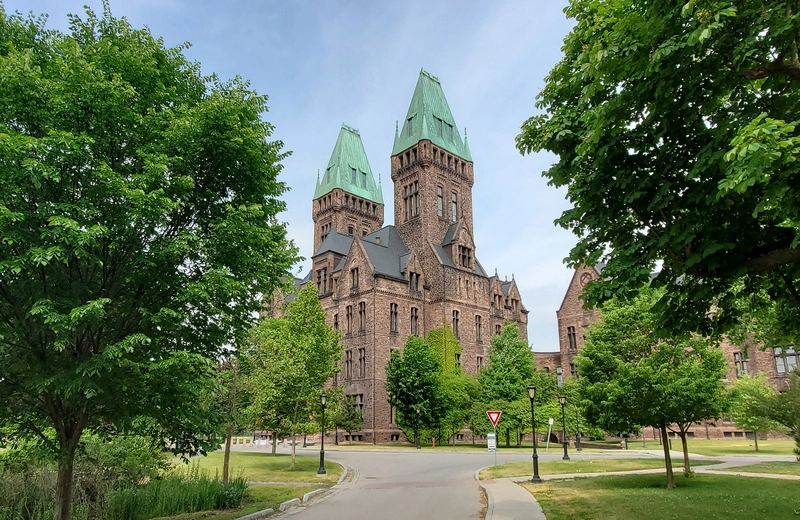
This 19th-century campus—formerly the Buffalo State Asylum for the Insane—is an iconic collaboration between architect H.H. Richardson and landscape architect Frederick Law Olmsted. Its Romanesque towers and 100-foot wide halls are hauntingly beautiful in the snow.
Winter wonders:
Foggy mornings and snowy evenings turn this place into a surreal dreamscape. If you enjoy quiet, moody, Instagram-worthy spots—this one is for you.
What’s inside?
The Hotel Henry and the Lipsey Architecture Center Buffalo, where you can learn more about the site's past and Buffalo’s overall architectural heritage.
6. Silo City – Industrial Beauty Reimagined
Location: 120 Silo City Row, Buffalo, NY 14203
While grain elevators may not scream “architectural beauty” at first glance, Silo City is a raw, artistic, and historically important site showcasing Buffalo’s industrial past. The towering cement and steel silos look ghostly in winter mist and snow.
Winter appeal:
It's haunting, peaceful, and totally off the beaten path. Great for urban explorers, photographers, and architecture buffs interested in form beyond function.
Local secret:
Check their website for winter art exhibits or light installations happening within the silos. Sometimes, even in winter, this cold industrial space warms up with creativity.
7. The Kleinhans Music Hall – Acoustic and Aesthetic Perfection
Location: 3 Symphony Circle, Buffalo, NY 14201
A modern architectural treasure, the Kleinhans Music Hall was designed by Eliel and Eero Saarinen in the late 1930s. Its flowing, minimalist form was inspired by the shape of a string instrument and is considered one of the most acoustically perfect concert halls in the world.
Winter experience:
Attend a Buffalo Philharmonic Orchestra concert while the snow gently falls outside. The rounded exterior and warm wooden interiors are a cozy contrast to the winter chill.
Expert tip: Book early for winter performances—seats fill fast during the holiday season.
Why Buffalo’s Architecture Shines in Winter
Buffalo’s architecture tells a story—not just of the city’s past wealth and influence, but also of resilience and reinvention. In winter, these structures aren't hidden behind leafy trees or bustling crowds. They emerge, bold and unfiltered, against a silent white canvas.
What makes Buffalo special isn’t just the big names—Sullivan, Wright, Richardson—but how well these structures blend into the daily life of the city. They’re not preserved in museums—they are the city.
Whether you're an architecture buff, a history lover, or just someone looking for a unique winter experience, this walking tour is your backstage pass to Buffalo’s most beautiful and underrated gems.
Conclusion: Step Into the Quiet Grandeur of Buffalo
Buffalo may not always top winter travel lists, but for those willing to walk its snowy sidewalks and pause under frozen cornices, it offers a rich, intimate connection with American architectural history. This is a city built not only of stone and steel but of spirit and endurance.