
Exploring Albania is a dream for travelers who love unspoiled beaches, historic towns, and stunning mountain scenery. While Albania is compact compared to other European countries, navigating it efficiently requires a clear understanding of the public transport system.
Albania offers several transport options: city buses, intercity buses, shared minibuses called furgons, and a limited train network. This guide explains how each option works, what to expect, approximate costs, and tips to make your travel smoother and more enjoyable.
Whether you are a backpacker on a budget or a mid-range traveler, knowing Albania’s transport system will help you save money and avoid common pitfalls.
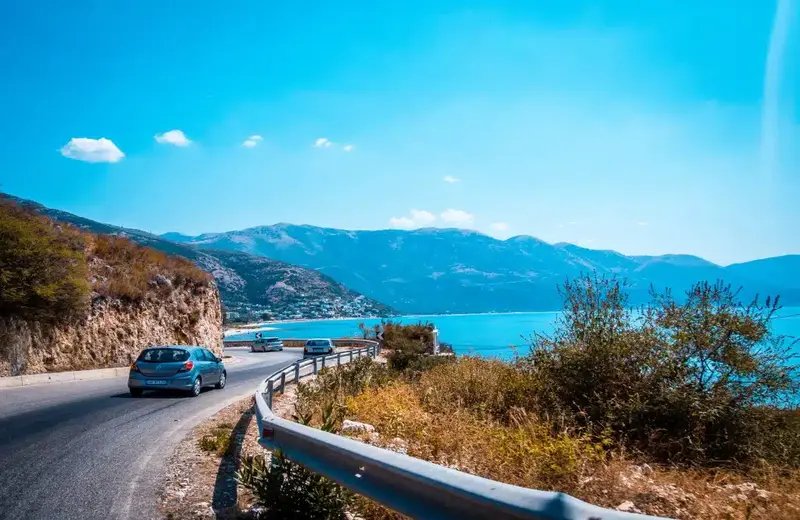
Overview of Albania Public Transport
Albania’s public transport system is a mix of modern buses, shared minibuses, and a small but scenic train network. Most towns are well connected, though schedules can be flexible, so planning ahead is important.
Key transport options include:
-
City buses – cheap, local travel
-
Furgons – shared minibuses for intercity trips
-
Regular buses – longer-distance travel
-
Trains – scenic but limited and slower
1. City Buses
City buses operate in major cities like Tirana, Durres, and Shkoder. They are inexpensive and efficient for local travel.
Cost and Tickets
-
Single ride: €0.30 – €0.50
-
Monthly passes in Tirana: ~€10 – €15
How They Work
-
Buses run frequent routes, but stops are often unmarked.
-
Pay the driver directly when boarding.
-
Buses are generally punctual in Tirana, less so in smaller towns.
Tips for Using City Buses
-
Always have small change or coins for tickets.
-
Download local transport apps if available.
-
Avoid rush hour if possible for comfort.
2. Furgons – Albania’s Shared Minibuses
Furgons are the backbone of intercity travel in Albania. These are small minibuses that connect cities and towns quickly and affordably.
How Furgons Operate
-
Depart when full (so schedule can be flexible).
-
Tickets can be bought directly from the driver or a ticket office.
-
Popular routes: Tirana ↔ Saranda, Tirana ↔ Shkoder, Tirana ↔ Vlora.
Typical Costs
-
Short distance (50–100 km): €3 – €6
-
Long distance (Tirana ↔ Saranda, 300 km): €10 – €15
Tips for Furgons
-
Arrive early during peak season (summer) to secure a seat.
-
Keep an eye on your luggage inside the minibus.
-
Expect a faster, sometimes bumpy ride due to mountainous roads.
3. Regular Buses
Regular buses are larger coaches connecting Albania’s main cities. They are slower than furgons but often more comfortable.
Routes and Costs
-
Tirana → Vlora: €8 – €12
-
Tirana → Saranda: €12 – €18
-
Tirana → Shkoder: €5 – €8
Features
-
Air-conditioned in most cases
-
Luggage compartment included
-
Fixed schedule but less frequent than furgons
Tips for Regular Buses
-
Check the bus station for daily schedules.
-
Book in advance during high season to avoid sold-out trips.
4. Trains in Albania
Albania’s train network is very limited and mainly serves freight purposes. Tourist use is minimal due to slow speeds and infrequent service.
Key Routes
-
Tirana ↔ Shkoder
-
Shkoder ↔ Lezhe
Cost and Experience
-
Very cheap (€2 – €5 for short distances)
-
Scenic rural views, ideal for photography
-
Not reliable for tight schedules
Recommendation
Trains are better for scenic travel rather than practical transportation. For most tourists, buses and furgons are faster and more reliable.
5. Taxis and Ride-Hailing
Taxis are widely available in cities and can be used for short distances or airport transfers.
Costs
-
Short city rides: €3 – €6
-
Tirana airport → city: €15 – €20
Tips
-
Always confirm the fare before starting the ride.
-
Some taxis accept cards, but cash is preferred.
-
In Tirana, ride-hailing apps like Mondo Taxi and Taxi Tirana are convenient alternatives.
6. Car Rentals in Albania
Renting a car is ideal for travelers who want to explore remote beaches or mountain towns.
Costs
-
Economy car: €25 – €40/day
-
Fuel: €1.70 – €2.00 per liter
Advantages
-
Flexibility to explore hidden villages and beaches
-
Time-efficient compared to public transport in remote areas
Tips
-
Roads in rural areas can be narrow and winding
-
International driving license is required
-
Always carry cash for fuel and tolls
7. Cost Summary
| Transport Type | Average Cost | Notes |
|---|---|---|
| City Bus | €0.30 – €0.50 | Cheapest option for local travel |
| Furgon | €3 – €15 | Main intercity travel method |
| Regular Bus | €5 – €18 | Comfortable but slower |
| Train | €2 – €5 | Scenic, limited schedules |
| Taxi | €3 – €20 | City rides and airport transfers |
| Car Rental | €25 – €40/day | Best for remote areas |
8. Tips for First-Time Travelers
-
Arrive early for furgons during peak season
-
Carry cash in Albanian Lek for small towns
-
Plan for flexibility – schedules may change unexpectedly
-
Use apps or ask locals for exact bus/furgon stops
-
Avoid peak traffic in Tirana – it can get congested
9. Suggested Routes for Tourists
-
Tirana → Shkoder (Northern Albania)
-
Tirana → Berat (Cultural and historic)
-
Tirana → Saranda (Southern coast, beaches)
-
Saranda → Ksamil (Short minibus, ideal for day trips)
Conclusion
Albania’s public transport system may seem informal compared to Western Europe, but it’s affordable, functional, and surprisingly effective. Furgons remain the backbone of intercity travel, while city buses and taxis cover local transport. Trains offer scenic but limited options, and car rentals provide ultimate flexibility.
For first-time visitors, understanding buses, furgons, and train schedules ensures smooth travel, maximizes experiences, and helps navigate Albania’s stunning landscapes without overspending.
By planning ahead and knowing your options, public transport in Albania can be safe, efficient, and even enjoyable, giving travelers a true taste of the country’s authentic charm.