
Why New Zealand Is Meant to Be Traveled Slowly
New Zealand is often marketed as a place to see everything—two islands, countless highlights, dramatic landscapes packed into a short itinerary. First-time visitors frequently arrive with ambitious plans, packed schedules, and a fear of missing out.
But New Zealand quietly resists rushed travel.
This is a country where distances look small on a map but feel vast in experience. A place where stopping matters more than arriving. Where the land, culture, and people reveal themselves slowly, rewarding patience rather than speed.
Slow travel in New Zealand isn’t about doing less—it’s about experiencing more meaningfully. Staying longer in fewer places. Letting the rhythm of the country guide you. Choosing depth over checklists.
This guide explores how slow travel transforms a New Zealand journey—and why “less places, more meaning” is the most rewarding way to experience the country.
What Slow Travel Really Means (And What It Doesn’t)
Slow travel is often misunderstood as lazy travel or under-planning. In reality, it’s intentional travel.
It means:
-
Spending multiple days in one region instead of constant movement
-
Choosing local experiences over major attractions
-
Allowing flexibility instead of rigid schedules
-
Prioritizing connection—over consumption
In New Zealand, slow travel aligns perfectly with the national character. The country values balance, respect for nature, and quality of life. Traveling slowly allows visitors to match that mindset rather than work against it.
This approach doesn’t limit what you see—it changes how you see it.
Why New Zealand Rewards Slow Travelers
New Zealand is geographically compact but experientially vast. Every region has layers—landscape, culture, history, and daily life—that can’t be absorbed in a quick stop.
Slow travelers notice things others miss:
-
How light changes across valleys throughout the day
-
How locals interact with their environment
-
How silence becomes part of the experience
Rushing through New Zealand often leads to sensory overload. Slowing down creates clarity.
The country feels less like a destination and more like a place you temporarily belong to.
Choosing Fewer Regions, Not More Attractions
One of the biggest mistakes travelers make in New Zealand is trying to cover too much ground. Long driving hours, frequent packing, and constant transitions dilute the experience.
Slow travel suggests the opposite:
-
Choose one or two regions per island
-
Stay at least 3–5 nights in each base
-
Explore outward, not onward
This allows you to experience:
-
Multiple moods of the same landscape
-
Local routines and rhythms
-
Unexpected discoveries beyond guidebooks
Instead of collecting locations, you build familiarity—and that familiarity creates meaning.
The Emotional Shift That Happens When You Slow Down
Something subtle but powerful happens after a few days of slow travel in New Zealand.
You stop asking, What’s next?
You start asking, What feels right today?
Days become less goal-oriented and more experience-driven. A morning walk turns into a long pause. A café visit becomes a conversation. A scenic drive becomes a series of unplanned stops.
This emotional shift is one of New Zealand’s greatest gifts. The country encourages presence without demanding it. You feel calmer, more observant, more grounded.
For many travelers, this becomes the most memorable part of the trip.
Living With the Landscape, Not Just Photographing It
New Zealand’s landscapes are world-famous—but slow travel changes your relationship with them.
Instead of arriving, taking photos, and leaving, you begin to live within the landscape:
-
Walking the same trail at different times of day
-
Watching weather reshape the scenery
-
Sitting without distraction
The land stops being dramatic scenery and becomes something personal. You notice patterns. You sense moods. You understand why New Zealanders speak of land with respect rather than ownership.
This deeper connection is impossible when you’re constantly moving on.
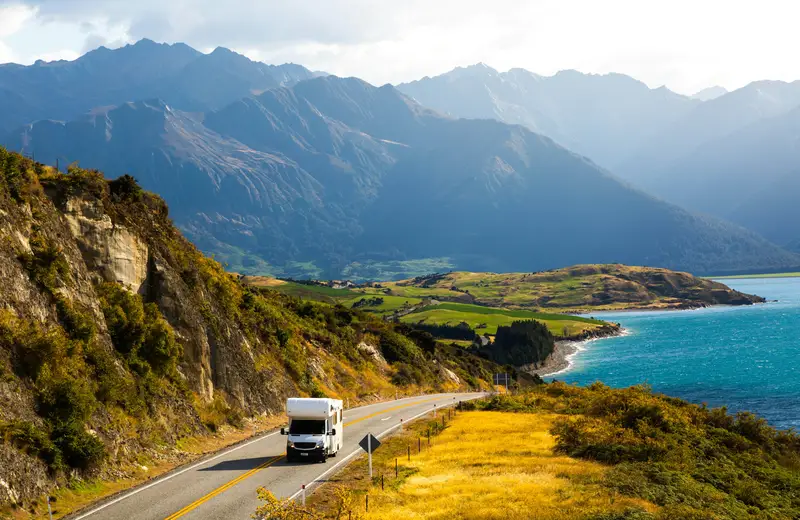
Slow Driving: Turning Roads Into Experiences
Driving is central to travel in New Zealand, and slow travel completely transforms it.
Rather than viewing roads as necessary travel time, slow travelers treat them as experiences:
-
Shorter daily distances
-
Frequent stops without pressure
-
Scenic detours taken without hesitation
Driving slowly allows you to notice small moments—quiet valleys, roadside honesty boxes, empty viewpoints with no crowds.
In New Zealand, roads aren’t interruptions between highlights. They are the highlights.
Engaging With Local Life (Naturally, Not Performatively)
Slow travel opens the door to authentic local interaction—but without forcing it.
Staying longer in one place means:
-
Becoming a familiar face
-
Visiting the same café more than once
-
Shopping at local markets instead of tourist centers
Conversations feel organic, not transactional. You’re no longer “the tourist passing through”—you’re a temporary part of the community.
New Zealanders value genuine connection and personal space. Slow travel respects both, creating interactions that feel natural and meaningful.
Understanding Maori Values Through Time, Not Tours
New Zealand’s Maori culture is deeply rooted in connection—to land, ancestry, and community. These values can’t be fully understood through rushed experiences.
Slow travel allows you to:
-
Notice Maori language used naturally
-
Understand the significance of land and guardianship
-
Observe respect embedded in daily life
Instead of consuming culture as an attraction, you begin to recognize it as a living presence.
This creates awareness rather than appropriation—and that awareness stays with you long after the journey ends.
Eating Slowly: Food as Daily Life, Not a Highlight Reel
Food in New Zealand reflects the slow travel philosophy—fresh, simple, and intentional.
Instead of chasing “must-eat” lists, slow travelers:
-
Return to places they enjoy
-
Eat seasonally and locally
-
Appreciate consistency over novelty
Meals become grounding moments rather than distractions. Coffee breaks become rituals. Food supports the experience instead of competing with it.
This approach aligns perfectly with New Zealand’s understated culinary culture.
How Slow Travel Reduces Stress (And Increases Joy)
Fast-paced travel often comes with anxiety:
-
Tight schedules
-
Traffic stress
-
Fear of missing out
Slow travel removes that pressure. In New Zealand, this shift is particularly powerful because the country itself feels calm.
You sleep better. You think clearer. You feel less urgency to document everything.
Joy becomes quieter but deeper—less excitement, more contentment.
Budget Benefits of Traveling Slowly in New Zealand
New Zealand is often perceived as expensive, but slow travel can actually reduce costs.
By staying longer in fewer places, travelers:
-
Save on transportation and fuel
-
Reduce frequent accommodation changes
-
Avoid impulse spending driven by rush
Slow travel encourages thoughtful choices rather than reactive ones. You spend money where it matters—and skip what doesn’t add value.
The result is a trip that feels richer, not more expensive.
Letting Go of “Doing It All”
One of the hardest parts of slow travel—especially in a place like New Zealand—is accepting that you won’t see everything.
But slow travelers understand a key truth:
You don’t miss out by skipping places—you gain depth by staying.
New Zealand teaches this lesson gently. It never demands completion. It rewards attention.
Letting go of “doing it all” creates space for something better: connection.
Why Slow Travel in New Zealand Changes How You Travel Everywhere Else
Many travelers say the same thing after a slow trip to New Zealand:
It changed how I travel.
Afterward:
-
Busy itineraries feel unnecessary
-
Constant movement feels exhausting
-
Quiet moments feel valuable
New Zealand becomes a reference point—a reminder that travel doesn’t have to be loud or crowded to be meaningful.
This mindset often carries into everyday life as well.
Is Slow Travel Right for Everyone?
Slow travel isn’t about age, budget, or travel style. It’s about intention.
It’s ideal for travelers who:
-
Value quality over quantity
-
Enjoy nature and reflection
-
Want emotional connection, not just photos
If you’re willing to slow down, New Zealand meets you halfway.
Final Thoughts: Less Places, More Meaning
New Zealand doesn’t ask you to rush. It doesn’t demand attention. It simply offers space—and trusts you to fill it wisely.
Slow travel allows you to experience the country as it truly is: calm, confident, and deeply connected to land and life.
By visiting fewer places and staying longer, you don’t lose experiences—you gain understanding.
And long after the journey ends, that meaning stays with you.