





Why Nature in New Zealand Feels So Untouched
There are places in the world where nature feels impressive—and then there are places where it feels untouched. New Zealand belongs firmly in the second category.
Anyone who spends even a few days traveling across the country quickly notices something unusual. The landscapes feel raw and genuine in a way that’s increasingly rare. Forests look ancient. Rivers run shockingly clear. Even popular national parks rarely feel overcrowded.
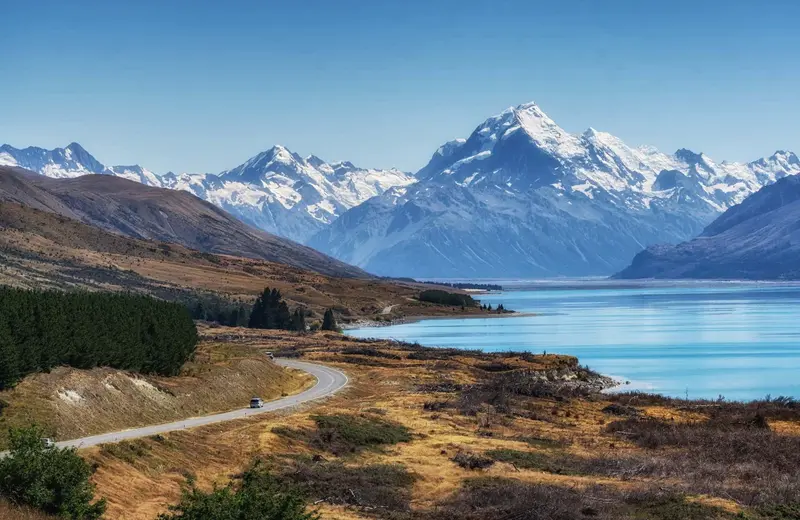
The first time I drove through the South Island, I remember pulling over near a lake simply because the water looked unreal. The reflection of the mountains was so perfect it felt almost staged—like a movie set waiting for actors to arrive.
But the truth is, it wasn’t staged at all. That’s just what New Zealand looks like.
So what makes nature here feel so untouched compared with many other travel destinations? The answer isn’t just one thing. It’s a combination of geography, culture, conservation policies, and a deep national respect for the environment.
Let’s explore why New Zealand still feels like one of the last truly wild places on Earth.
Isolation: The Secret Ingredient
One of the biggest reasons New Zealand’s landscapes remain so pristine is simple geography.
The country sits about 2,000 kilometers away from Australia and even farther from most major continents. For centuries, this extreme isolation protected its ecosystems from outside influence.
Because of this distance, New Zealand developed a completely unique natural world. Many plants and animals evolved here without the presence of mammals, predators, or human interference.
For travelers, that isolation is something you can feel. Even in well-known areas, there’s often a sense that the wilderness stretches endlessly beyond what you see.
Drive for an hour outside major cities like Auckland or Christchurch and the urban world fades quickly. Rolling hills, sheep farms, coastal cliffs, and dense forests take over the landscape.
In many places, it feels like humans are simply guests.
A Culture That Treats Nature as Sacred
Another reason New Zealand feels so untouched is the cultural relationship with the land.
The Maori people, the indigenous Polynesian population of New Zealand, have a worldview that centers on kaitiakitanga—a concept meaning guardianship or stewardship of nature.
In this philosophy, humans don’t “own” the land. Instead, they are responsible for protecting it for future generations.
This mindset still influences modern environmental policies today. You’ll see it reflected in national park protection, wildlife conservation programs, and strict environmental regulations.
In fact, some natural features in New Zealand even have legal personhood.
For example, the Whanganui River was granted legal rights, meaning it is legally recognized as a living entity rather than property. That may sound unusual, but it reflects the idea that nature deserves protection in its own right.
As a traveler, this cultural respect becomes visible everywhere—from conservation signage to how locals talk about the outdoors.
Nature here isn’t just scenery. It’s part of the national identity.
Huge Areas of Protected Land
New Zealand takes conservation seriously.
Roughly 30% of the country’s land area is protected, mostly as national parks, reserves, or conservation land.
For a relatively small country, that’s an enormous amount of protected wilderness.
Some of the most famous examples include:
-
Fiordland National Park
-
Aoraki/Mount Cook National Park
-
Tongariro National Park
-
Abel Tasman National Park
But the surprising part is that even lesser-known areas are carefully preserved.
When I visited a small forest reserve outside Nelson, I expected a simple walking trail. Instead, I found miles of quiet paths winding through ancient beech forests with almost no one else around.
That experience is incredibly common in New Zealand. Even outside the most famous parks, protected landscapes are everywhere.
Low Population Density
New Zealand has about 5 million people living in a country roughly the size of the United Kingdom.
That means large portions of the landscape remain sparsely populated.
Once you leave major cities, entire regions feel wonderfully empty.
On a road trip through the South Island, it’s not unusual to drive for 45 minutes without seeing a town. Sometimes the only signs of civilization are sheep grazing in distant fields.
This low population pressure makes a huge difference.
Less development means fewer roads, fewer buildings, and fewer environmental impacts on natural areas.
It also means hiking trails rarely feel crowded, even in peak travel seasons.
Strict Biosecurity Laws
When you arrive in New Zealand, something unusual happens at the airport.
You’ll go through one of the strictest biosecurity screenings in the world.
Food, seeds, outdoor gear, and even muddy hiking boots are carefully inspected.
At first it might seem excessive—but there’s a good reason for it.
New Zealand’s ecosystems are extremely vulnerable to invasive species. Because native wildlife evolved without many predators or competing species, introduced animals and plants can cause massive damage.
Over the years, invasive species like stoats, rats, and possums have threatened native birds and forests.
To prevent further harm, the country enforces strict rules on what can enter its borders.
It’s a small inconvenience for travelers, but it plays a huge role in preserving the natural environment.
Wildlife That Exists Nowhere Else
Another reason nature feels so unique in New Zealand is its wildlife.
About 80% of native plants and animals are found nowhere else on Earth.
That level of biodiversity creates ecosystems that feel completely different from anywhere else.
For example, New Zealand has:
-
Flightless birds like the kiwi
-
Giant insects like the weta
-
Ancient reptile species like the tuatara
-
Rare alpine parrots called kea
Many forests here sound different too.
Instead of the noise of mammals, you’ll hear birds calling across valleys or rustling through the canopy.
On one early morning hike in a protected reserve, I remember hearing birdsong that sounded almost musical—echoing through the trees with no traffic or city noise nearby.
Moments like that are what make the wilderness feel so untouched.
National Parks That Feel Truly Wild
Many countries have national parks, but New Zealand’s parks often feel more remote than most.
Part of that comes from the terrain.
The landscapes are dramatic—glaciers, volcanic plateaus, rainforests, fjords, and alpine valleys often exist within a relatively small area.
Some parks are also difficult to access, which naturally limits large crowds.
Take Fiordland, for example. Large sections of it are accessible only by boat, helicopter, or multi-day hiking routes.
Even in famous areas like Milford Sound, you can walk just a few kilometers away from the main viewpoints and suddenly find yourself alone in towering wilderness.
The country’s famous “Great Walks” also emphasize this immersive experience. These multi-day trails guide travelers through remote landscapes where huts replace hotels and the only sounds at night are wind and distant rivers.
It’s travel that reconnects people with the natural world.
Filmmaking That Showcases Real Landscapes
For many travelers, their first glimpse of New Zealand’s landscapes came through movies.
The country famously served as the filming location for The Lord of the Rings and The Hobbit trilogies.
But what makes those films remarkable is how little CGI was required for the landscapes themselves.
The mountains, valleys, and forests shown in the movies are real.
When you visit places like the Southern Alps or the rolling hills of Matamata, it’s easy to understand why filmmakers were drawn here.
The scenery often looks almost mythical.
And yet, it’s simply the natural environment—untouched, preserved, and waiting to be explored.
Sustainable Tourism Efforts
New Zealand also works hard to ensure tourism doesn’t damage the environment.
Many visitor areas include boardwalks, marked trails, and conservation education.
The “Tiaki Promise,” a national tourism initiative, encourages visitors to care for the country by respecting wildlife, protecting nature, and traveling responsibly.
It’s a simple idea: if everyone treats the land well, it will remain beautiful for future travelers.
You’ll see reminders of this everywhere—from trail signs asking hikers to clean their boots to conservation volunteers protecting nesting bird habitats.
Tourism here isn’t just about seeing nature. It’s about helping preserve it.
The Feeling You Can’t Quite Explain
Despite all these practical reasons, there’s still something harder to define about New Zealand’s landscapes.
It’s a feeling.
Maybe it’s standing beside a turquoise glacier lake with mountains rising above you. Or walking through a forest where the trees seem older than any building back home.
Maybe it’s the silence.
In many parts of the world, even natural areas carry background noise—traffic, airplanes, distant cities.
In New Zealand, you can still find places where the only sounds are wind, water, and birds.
That kind of quiet has become rare.
And when travelers experience it, they often realize something surprising: untouched nature doesn’t just look different—it feels different.
How Travelers Can Help Keep It That Way
If you’re lucky enough to visit New Zealand, there are a few simple ways to help protect its incredible landscapes.
Follow marked trails to avoid damaging fragile ecosystems.
Never feed wildlife, even if animals seem friendly.
Clean your hiking boots before entering forests to prevent spreading plant diseases.
And always pack out whatever you bring in.
These small actions make a big difference.
The reason New Zealand still feels untouched is because generations of people have treated it carefully.
Visitors play a role in that story too.
Final Thoughts
In a world where many natural places are becoming crowded or heavily developed, New Zealand still feels refreshingly wild.
Its isolation, strong conservation culture, strict environmental protections, and respect for nature have created something special—a country where landscapes still look much like they did centuries ago.
Travelers often arrive expecting beautiful scenery.
What they don’t expect is how deeply the environment shapes the entire experience.
Because in New Zealand, nature isn’t just a backdrop.
It’s the main character.
And if the country continues protecting its wild spaces the way it has for decades, it will remain one of the few places on Earth where travelers can still experience nature that truly feels untouched.