









Introduction
Let me start with the moment that convinced me van life in New Zealand was either brilliant or completely unhinged: I was parked at Lake Hawea, watching the sunrise paint the Southern Alps in shades of rose gold, eating porridge cooked on a single-burner stove, when I realized my entire worldly existence fit into seven square meters. My coffee mug sat on what doubled as my kitchen counter and desk. My bed was three steps away—literally three steps, I counted. And yet, staring at that impossible view with steam rising from my cup, I felt wealthier than I'd ever felt in any apartment with actual walls.
Van life in New Zealand isn't the Instagram fantasy of eternal sunsets and consequence-free wandering. It's also not the dystopian nightmare skeptics imagine, all unwashed clothing and desperate searches for toilets. The truth occupies a more interesting space—one where genuine freedom coexists with legitimate challenges, where the best moments arrive unscheduled, and where you learn more about yourself in three months than you did in three years of conventional living.
This is the honest account of what happens when you trade stability for mobility in one of the world's most stunning countries. The freedom is real. The fear is real. The adventure is absolutely, undeniably real.
The Seduction of Four Wheels and a Roof
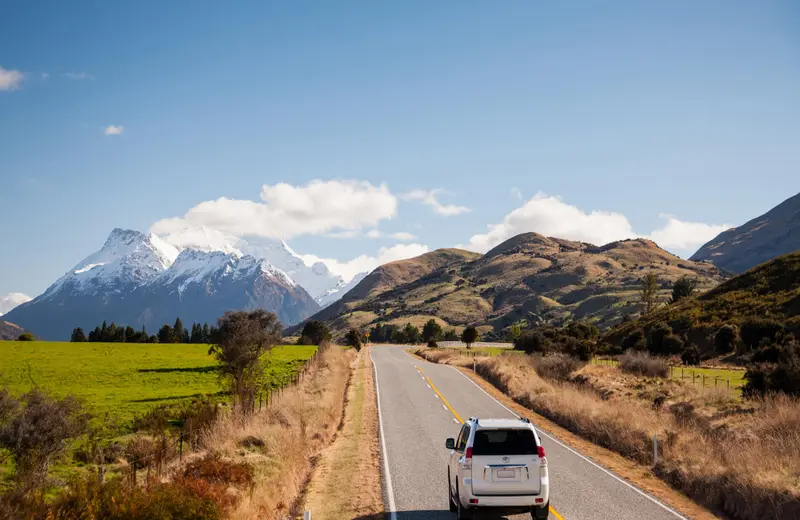
New Zealand practically engineered itself for van life. The country's compact geography means you can wake up near mountains, lunch beside a lake, and sleep to the sound of ocean waves—all without driving marathon distances. The infrastructure supports mobile living with a network of holiday parks, DOC campsites, and freedom camping areas that range from basic pull-offs to genuinely spectacular locations.
But here's what the tourism brochures undersell: van life in New Zealand fundamentally restructures your relationship with time and space. Without rent anchoring you to one location, without a lease creating artificial endpoints, you develop what I call "fluid intentionality." You might plan to spend two days in Wanaka and stay for two weeks because the light is perfect, the locals are welcoming, and you've discovered a bakery that understands sourdough on a spiritual level.
The van becomes more than transportation or accommodation—it's a mobile base camp for curiosity. That trail you spotted while driving? Stop and hike it. That coastal town that wasn't on your itinerary? Explore it. The freedom isn't just geographic; it's psychological. You recalibrate what "home" means until it's less about location and more about this metal box that happens to have your favorite coffee mug.
The Reality Check: Challenges Nobody Photographs
Instagram shows the sunsets. Let me tell you about the rain—specifically, the West Coast rain that turns your van into a drum and your nerves into frayed wires after the fourth consecutive day. Let me tell you about condensation that turns your windows into waterfalls every morning, about the physics of heating a small space without running your battery dead, about the existential frustration of needing to empty a toilet cassette in a downpour.
Van life demands a specific resilience. You'll spend more time than you'd imagine thinking about water—where to fill your tank, how to conserve what you have, whether that stream is genuinely safe for dishes. Showering becomes a strategic operation involving holiday park day passes, ocean swims, or the "baby wipe special" that veteran van-lifers know all too well.
Then there's the social complexity. Freedom camping regulations tightened significantly after irresponsible travelers damaged New Zealand's goodwill. Some communities now view campervans with suspicion bordering on hostility. You'll see signs prohibiting overnight parking. You'll read news articles about tourists behaving badly. You'll feel that uncomfortable weight of being judged for choices other people made.
The mental health dimension deserves honesty too. Living in constant proximity to your travel partner—romantic or otherwise—tests relationships in ways hotel rooms never could. Solo van-lifers face different challenges: combating loneliness, maintaining motivation on gray days, navigating the vulnerability of sleeping alone in remote areas. This isn't insurmountable, but it's real.
The Economics: Cheaper Than You Think, Expensive in Unexpected Ways
The financial math of van life initially seems straightforward: eliminate rent and accommodation costs, redirect those savings toward fuel and campsite fees, emerge ahead. This calculation isn't wrong, but it's incomplete.
A self-contained campervan in New Zealand runs roughly $50-120 per night in peak season, less if you're booking longer-term or traveling off-peak. Freedom camping is free but requires a certified self-contained vehicle—which means your van needs a toilet, gray water tank, and fresh water storage meeting specific standards. Non-self-contained vehicles face severe restrictions and potential fines up to $200.
Factor in fuel costs that accumulate faster than you anticipate because you're driving constantly, seduced by "just one more location." Add holiday park fees when you desperately need a proper shower and laundry facilities—usually $30-50 per night. Include unexpected repairs, because something always breaks, usually in the most inconvenient location imaginable.
But here's the economic dimension nobody calculates: van life dramatically reduces lifestyle inflation. You can't accumulate stuff because there's no room. Restaurants lose appeal when you're parked somewhere beautiful and cooking feels more satisfying. Entertainment becomes hiking, reading, stargazing, conversations—free activities that cost-per-joy absolutely demolish anything you'd pay for.
I spent less money during six months of van life than I did during two months of conventional travel. Not because I was suffering, but because the van fundamentally reoriented what I valued.
Mastering the Art of Spot Selection
Choosing where to park each night becomes a skill you develop through trial, error, and occasional spectacular failure. The perfect spot balances legality, safety, natural beauty, and practical amenities in ways that guidebooks can only approximate.
Apps like CamperMate and WikiCamps New Zealand are essential, offering user reviews and GPS coordinates for thousands of campsites. But the real education happens through experience. You learn that "secluded beach access" sometimes means sand too soft for your van. You discover that "popular freedom camping area" can mean waking to forty other campervans. You figure out that arriving at DOC campsites before 3 PM dramatically improves your odds of securing a good spot.
My personal formula evolved into this: spectacular views for two nights, then one night at a holiday park for facilities. Alternate between social campgrounds where you'll meet other travelers and remote spots where silence becomes profound. Always have a backup location because your first choice will sometimes be full, closed, or far less appealing than photos suggested.
The West Coast between Haast and Greymouth offers some of New Zealand's most stunning free camping—ocean views, mountain backdrops, and fewer crowds than the south. The Coromandel Peninsula provides variety from beaches to forests. The Mackenzie Basin delivers star-filled skies in the Aoraki Dark Sky Reserve. Each region requires different strategies.
Safety matters, especially for solo travelers. I avoided completely isolated spots, preferring areas with at least one other campervan nearby. I trusted my instincts—if something felt off, I drove away. I kept my van locked, valuables hidden, and had contingency plans. In eighteen months, I never felt genuinely unsafe, but that's because I stayed vigilant.
The Social Universe of Mobile Living
Van life attracts a specific demographic: adventurous enough to embrace uncertainty, practical enough to handle inevitable problems, and self-sufficient enough to enjoy solitude without drowning in it. This creates an instant community.
You'll meet German engineers extending their holiday indefinitely, British couples escaping winter, American software developers working remotely, Australian retirees finally living dreams they'd postponed for decades. Ages range from twenties to seventies. The common denominator isn't demographics—it's mindset.
Conversations happen organically. Someone admires your solar panel setup, leading to an hour-long discussion about electrical systems. You share a hiking recommendation, receive a dinner invitation. A couple struggling with their water pump becomes your project for the afternoon and your friends by evening.
But the social rhythm differs from conventional travel. Relationships form intensely but briefly. You'll spend three days with people who feel like lifelong friends, exchange contact information, genuinely mean to stay connected, then never speak again. This isn't callousness—it's the nature of mobile communities. Everyone's moving, literally and figuratively.
The solution is embracing these connections as perfect for what they are: brief, authentic, and complete in themselves. Some of my most meaningful conversations happened with people I'll never see again, and that's somehow okay.
Seasonal Realities: When to Go, When to Know Better
New Zealand's seasons dramatically affect van life feasibility. Summer (December-February) offers the best weather but worst crowds and highest prices. Every scenic spot fills rapidly. Holiday parks book out weeks in advance. You'll share "freedom camping" areas with so many other vans that the "freedom" part becomes theoretical.
Shoulder seasons (March-May and September-November) hit the sweet spot. Weather remains generally cooperative, crowds thin significantly, and prices drop. Autumn offers spectacular foliage through Central Otago and Marlborough. Spring brings wildflowers and baby animals. You'll have places largely to yourself.
Winter (June-August) requires serious consideration. Driving conditions can be hazardous. Many freedom camping areas close. Heating your van becomes challenging and battery-intensive. But winter also offers something magical: snowcapped mountains, empty trails, and the profound satisfaction of mastering conditions that intimidate others.
I learned to follow the weather rather than fighting it. When winter hit the South Island, I migrated north to the Coromandel and Bay of Plenty. When summer crowds overwhelmed tourist hotspots, I explored lesser-known regions. This fluidity—impossible in conventional travel—represents van life's greatest advantage.
The Transformation Nobody Warns You About
Here's what surprised me most: van life doesn't just change where you sleep. It recalibrates your entire value system in ways you don't notice until you emerge on the other side.
You develop profound appreciation for simplicity. That moment when you realize you're genuinely happy with seven possessions and a beautiful view—it's quietly revolutionary. You stop wanting things and start wanting experiences, then stop wanting experiences and start simply being present.
Your tolerance for discomfort expands dramatically. Cold mornings, inconvenient rain, sleeping on a slightly-too-short bed—these shift from problems to neutral facts. You're not suffering; you're just experiencing weather and physics. This resilience transfers to other life domains in unexpected ways.
Time perception changes. Without external schedules imposing artificial urgency, you notice how arbitrary most deadlines actually are. You watch more sunrises and sunsets than you have in years combined. You realize that productivity, properly understood, might mean doing absolutely nothing except witnessing light change on mountains.
And relationships—both with others and yourself—deepen when stripped of distraction. You can't hide in a van. Your patterns, habits, anxieties, and joys all become visible in the small space. This exposure either strengthens connections or reveals their fundamental incompatibility. Either outcome is valuable information.
Practical Wisdom: What I Wish I'd Known
After countless mistakes and small victories, here's the distilled knowledge:
Invest in proper bedding. You'll spend a third of van life sleeping—cheap sleeping bags guarantee misery. Buy the best you can afford.
Your electrical system matters more than anything else. Solar panels aren't luxury—they're necessity for freedom camping. Budget accordingly.
Learn basic mechanical skills before something breaks in the middle of nowhere. At minimum: changing tires, checking oil, jump-starting batteries, and identifying weird sounds that mean "stop driving immediately."
Pack for the space you have, not the trip you imagine. Every item must justify its existence. That third pair of shoes? You won't need them.
Download offline maps. Cell service is theoretical in much of New Zealand. GPS that requires data connection is GPS that will fail you.
Connect with the van life community online before arriving. Facebook groups like "New Zealand Campervan Road Trip" and "Freedom Camping New Zealand" provide real-time information about conditions, closures, and opportunities.
Most importantly: embrace imperfection. Your van will smell weird sometimes. You'll occasionally sleep in suboptimal locations. Things will break. This isn't failure—it's authenticity.
Conclusion: The Freedom That Changes Everything
On my last night of van life, parked at Spirits Bay at New Zealand's northern tip, I tried articulating what the experience had given me. Freedom, obviously—but what kind?
Not freedom from responsibility, which is the Instagram version. Van life actually increases responsibilities. You're accountable for your vehicle, your waste, your impact, your safety. Every decision is yours alone, which sounds liberating until you realize it's also exhausting.
The real freedom is subtler and more profound: freedom from the assumption that life must follow a particular template. That homes must have foundations. That careers must be linear. That security comes from sameness rather than adaptability.
Van life in New Zealand taught me that adventure isn't something you experience between periods of "real life"—it can be the architecture of daily existence. That comfort and growth rarely coexist. That the best moments arrive unscheduled, which means rigid plans are often just sophisticated forms of limitation.
Would I recommend van life in New Zealand? The question itself misunderstands what this is. It's not a vacation or a lifestyle hack. It's a fundamentally different way of engaging with existence—one that offers extraordinary rewards for those willing to accept its genuine challenges.
If you're reading this and feeling that pull, that whisper suggesting you could do this, you probably can. The fear is real, but it's almost never predictive. The freedom is real, and it might be exactly the teacher you need.
The van is waiting. The roads are empty. New Zealand is impossibly beautiful.
What are you waiting for?