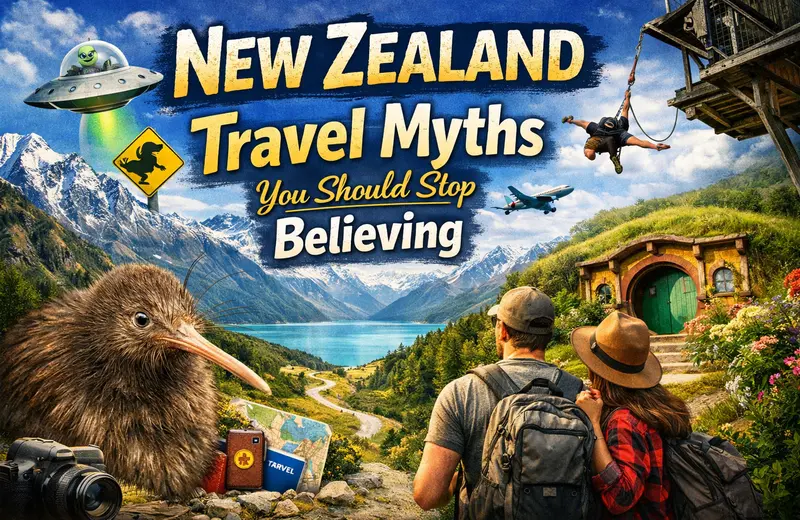









New Zealand Isn’t What You Expect—and That’s a Good Thing
New Zealand often shows up in travel guides as a flawless paradise: dramatic mountains, turquoise lakes, friendly locals, and epic road trips. And while all of that is true, there’s a side of New Zealand most travel blogs don’t talk about—the practical realities, cultural surprises, and small shocks that can catch travelers off guard.
This doesn’t mean New Zealand is disappointing. Quite the opposite. But arriving informed can be the difference between a good trip and an unforgettable one.
Whether you’re a solo traveler, backpacker, digital nomad, or first-time visitor, this guide covers the things nobody tells you before traveling to New Zealand—the honest, experience-based insights that help you travel smarter, safer, and with realistic expectations.
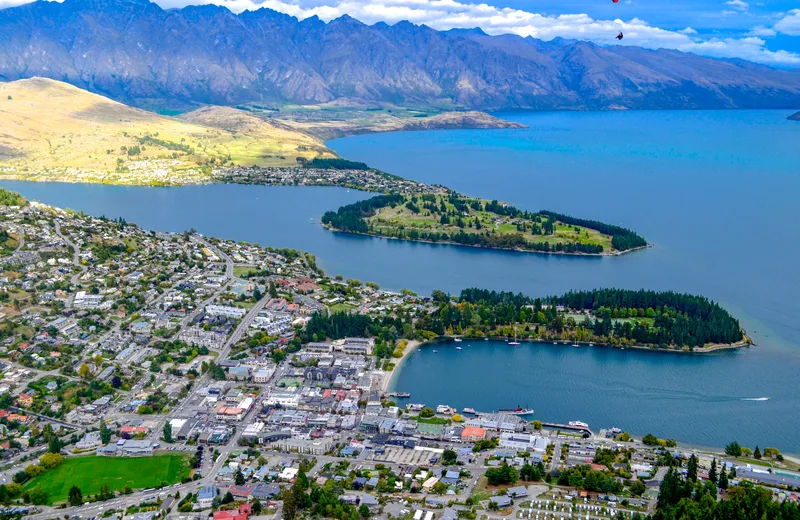
1. New Zealand Is Smaller Than You Think—But Slower to Travel
On a map, New Zealand looks compact. Many travelers assume they can “do it all” in a week or two. The reality? Distances may be short, but travel time is long.
Why?
-
Roads are narrow and winding
-
Speed limits are low and enforced
-
Scenic stops constantly distract you
Driving 200 kilometers in New Zealand can easily take half a day—especially in the South Island.
What nobody tells you:
Trying to cram too much into your itinerary will exhaust you. New Zealand rewards slow travel. Fewer destinations, more time.
2. The Weather Changes Fast—Like, Really Fast
New Zealand’s weather is famously unpredictable. You can experience sunshine, rain, wind, and cold all in one day, especially in alpine regions.
Even in summer:
-
Mornings can be chilly
-
Rain can arrive without warning
-
Mountains create microclimates
What to know before you go:
Always pack layers. A waterproof jacket isn’t optional—it’s essential, year-round.
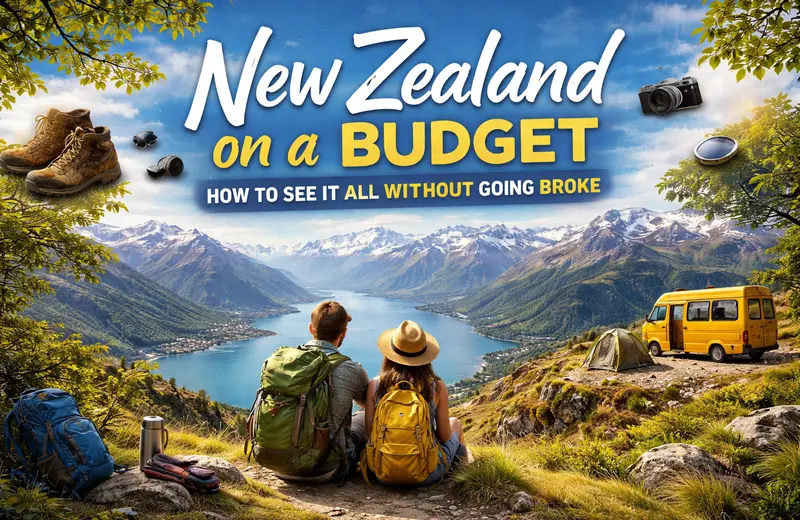
3. It’s More Expensive Than Most People Expect
New Zealand is not a budget destination, and many travelers underestimate daily costs.
Common surprises include:
-
Groceries costing more than restaurants in some cases
-
Fuel prices higher than expected
-
Activities and tours adding up quickly
While backpacker options exist, New Zealand requires smart budgeting, especially for solo travelers.
Insider tip:
Cooking your own meals, traveling slowly, and prioritizing free natural attractions can dramatically reduce costs.
4. You’ll Be Driving on the Left—and It Takes Getting Used To
Driving in New Zealand is part of the experience, but it comes with a learning curve.
Challenges include:
-
Driving on the left side
-
Narrow rural roads
-
One-lane bridges
-
Sheep, cows, and wildlife crossing highways
What nobody tells you:
Driver fatigue is a real issue here. The roads are mentally demanding, even if traffic is light.
Take breaks often, and don’t rush. Locals value safe driving over speed.
5. Shops Close Early (Yes, Even in Cities)
If you’re used to late-night shopping or 24/7 convenience stores, New Zealand will surprise you.
-
Many shops close by 5–6 PM
-
Smaller towns shut down even earlier
-
Sundays are especially quiet
Good to know:
Plan groceries and essentials ahead of time—especially before road trips or public holidays.
6. Nature Is Free—but It’s Not Always Easy
One of New Zealand’s greatest gifts is free access to nature. National parks, beaches, lakes, and hikes cost nothing.
But here’s the part people don’t mention:
-
Some hikes are physically demanding
-
Weather conditions can change quickly
-
Cell service is often unavailable
Important reminder:
New Zealand’s wilderness is real wilderness. Respect safety signs, check weather forecasts, and don’t overestimate your abilities.
7. Hostels Are Social—but Not Always Party-Centered
Many travelers arrive expecting a constant party scene. While social hostels exist, New Zealand’s hostel culture is more chill and nature-focused.
You’ll find:
-
Early nights due to early hikes
-
Shared kitchens instead of bars
-
Conversations about weather and routes
What this means:
It’s easy to meet people—but the vibe is more relaxed than wild.
8. You’ll See More Sheep Than People
New Zealand’s sheep population famously outnumbers humans, and once you leave the cities, you’ll understand why.
Long stretches of road pass through:
-
Farmland
-
Mountains
-
Empty coastlines
What nobody tells you:
This isolation can feel magical—or lonely—depending on your mindset. Solo travelers should be prepared for quiet days without constant stimulation.
9. Maori Culture Is Present—but Subtle
Many visitors expect Indigenous culture to be highly visible everywhere. In reality, Maori culture is deeply respected but not commercialized.
You’ll notice it through:
-
Place names
-
Language used in public life
-
Cultural protocols and values
To truly experience it, you need to seek it out intentionally through cultural centers, guided experiences, or local events.
10. Food Is Simple—but High Quality
New Zealand isn’t known for flashy cuisine, but the ingredients are exceptional.
Expect:
-
Fresh seafood
-
Excellent lamb and beef
-
World-class dairy
-
Outstanding coffee
What surprises travelers:
Meals are often simple, seasonal, and unpretentious—quality over complexity.
11. Wi-Fi and Mobile Coverage Can Be Spotty
Despite being a developed country, connectivity isn’t guaranteed everywhere.
-
Rural areas often lack signal
-
Some accommodations limit Wi-Fi
-
Data plans can be expensive
Travel tip:
Download offline maps and documents. Don’t rely on constant internet access.
12. New Zealand Is Extremely Eco-Conscious—and Expects You to Be Too
Sustainability isn’t a trend here—it’s a way of life.
You’ll notice:
-
Strict recycling rules
-
Respect for wildlife
-
Leave No Trace principles everywhere
What travelers don’t expect:
Locals notice and appreciate responsible behavior. Treating nature carelessly is frowned upon.
13. You’ll Walk More Than Planned
Cities and towns are walkable, and many attractions require short hikes or walks.
Comfortable shoes are a must—even if you think you won’t need them.
14. New Zealand Changes You in Quiet Ways
This is something no guidebook mentions.
New Zealand doesn’t overwhelm you with noise, crowds, or chaos. Instead, it slowly reshapes your perspective through:
-
Silence
-
Space
-
Natural beauty
-
Slower rhythms
Many travelers leave feeling calmer, more grounded, and unexpectedly reflective.
15. You’ll Wish You Stayed Longer
Almost everyone underestimates how much time New Zealand deserves.
Two weeks feels rushed. One month feels right. And even then, you’ll leave with unfinished plans.
Final Thoughts: Travel Smarter, Not Just Farther
New Zealand isn’t a destination you rush through or consume quickly. It’s a country that rewards patience, awareness, and respect.
Knowing these lesser-known realities before you go allows you to:
-
Plan realistically
-
Travel safely
-
Enjoy deeper experiences
-
Avoid unnecessary stress
The more prepared you are, the more magical New Zealand becomes.
Because once you understand it—not just visit it—New Zealand has a way of staying with you long after you’ve left.