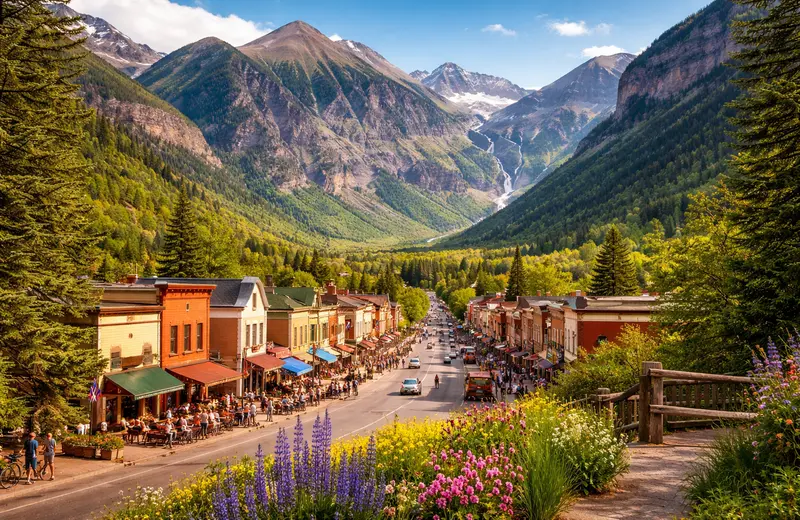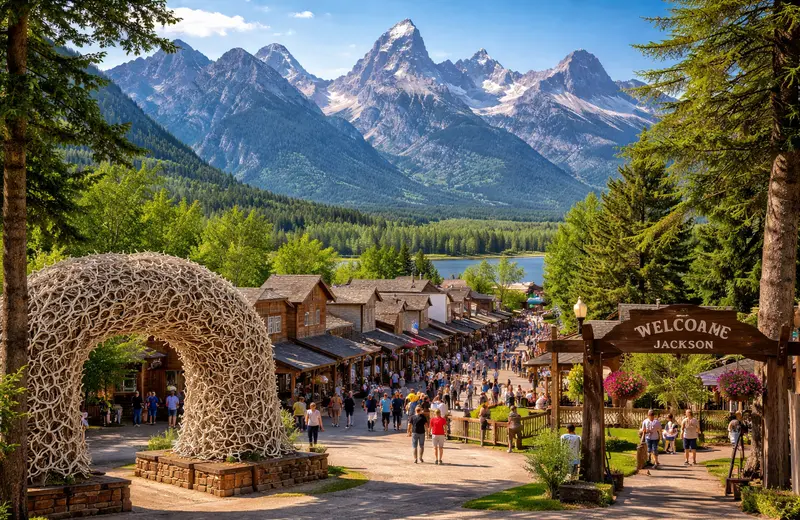
California doesn't really need an introduction — and that's exactly the problem. Most people think they already know it: Hollywood, beaches, sunshine. But California keeps surprising you. It's the only place where you can wake up to Pacific fog in San Francisco, drive south through wine country, and fall asleep to desert stars in Death Valley National Park — all in the same road trip. Whether you've been once or a dozen times, California has a way of showing you something new every visit. Here are 15 places that make the Golden State worth every mile.
1. McWay Falls
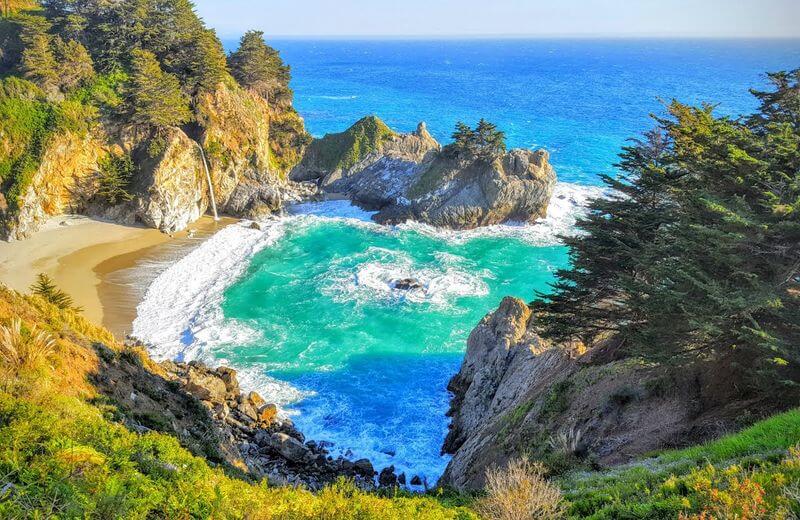
Most waterfalls pour into rivers. McWay Falls pours directly onto a beach — and that single quirk makes it one of the most memorable sights on the entire California coast. The falls drop 80 feet from a cliff into a tucked-away turquoise cove in Julia Pfeiffer Burns State Park, about 37 miles south of Carmel. You can't get down to the beach — the trail only goes to an overlook above — but honestly, that distance makes the view more dramatic, not less.
It flows year-round, which means there's never a bad time to visit. Come early morning in spring when the mist hangs low over the water and the light catches the cove at an angle that makes everything look slightly unreal. If you're already driving the Pacific Coast Highway, stopping here costs you nothing but 20 minutes — and it's easily one of the most striking things you'll see in California.
2. Anaheim-Disneyland
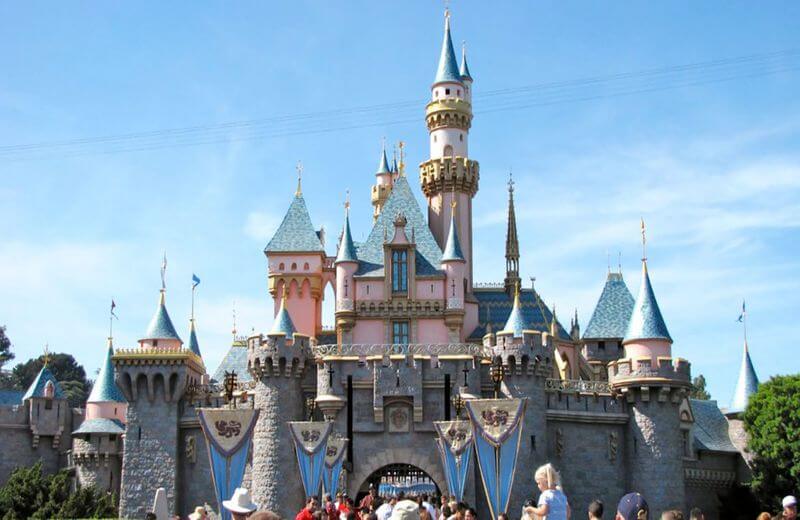
Disneyland turned 70 in 2025, and in 2026 it's still riding that celebratory energy with some genuinely exciting updates. The original park — the one Walt Disney personally walked through before opening day on July 17, 1955 — has outlasted every trend in the theme park industry for a simple reason: it keeps evolving without losing what made it special.
New in 2026: Bluey's Best Day Ever opened in the Fantasyland Theatre in March, the Millennium Falcon ride got a fresh Mandalorian-themed mission in May, and Soarin' Across America arrives in July with an all-new flight experience over the US. Add to that the ongoing DisneylandForward expansion work, and the park feels genuinely alive right now.
If you're visiting with kids, spring weekday mornings are your best bet for shorter lines. If you're a Disney fan without children, the Disneyland After Dark evening events are worth looking into — themed nights with significantly smaller crowds and a completely different atmosphere.
3. Big Sur
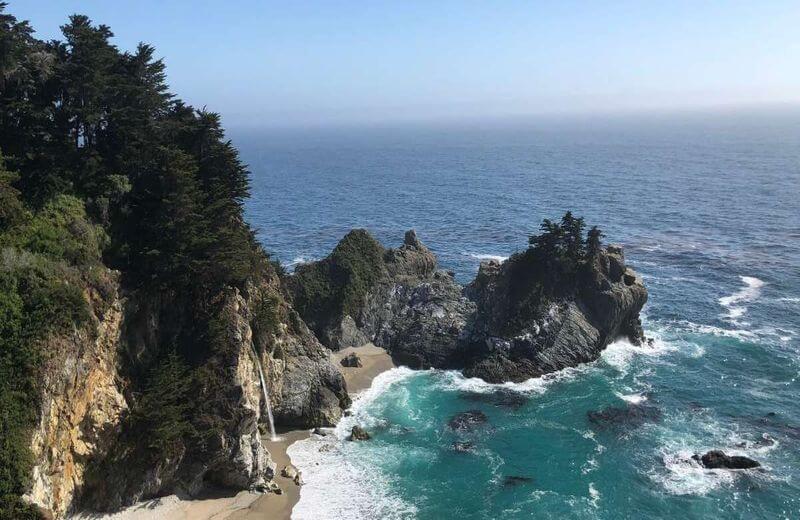
Big Sur is the drive you'll talk about for years. Highway 1 along this 90-mile stretch of central California coastline is one of the genuinely great road experiences in the world — mountain cliffs dropping straight into the Pacific, hidden waterfalls, forests of ancient redwoods, and almost no commercial development. It looks exactly the way California looked before California became California.
Pfeiffer Big Sur State Park is the main base for hiking — trails through old-growth redwoods that take you from sea level to stunning ridge viewpoints. Pfeiffer Beach is tucked behind a narrow back road and worth the detour for its unusual purple-tinged sand (manganese garnet washes down from the hills). Bixby Creek Bridge, photographed obsessively by everyone who drives through, still manages to earn every photo.
Allow more time than you think you need. The road moves slowly, there are overlooks around every bend, and you'll stop constantly. That's the point.
4. Catalina Island
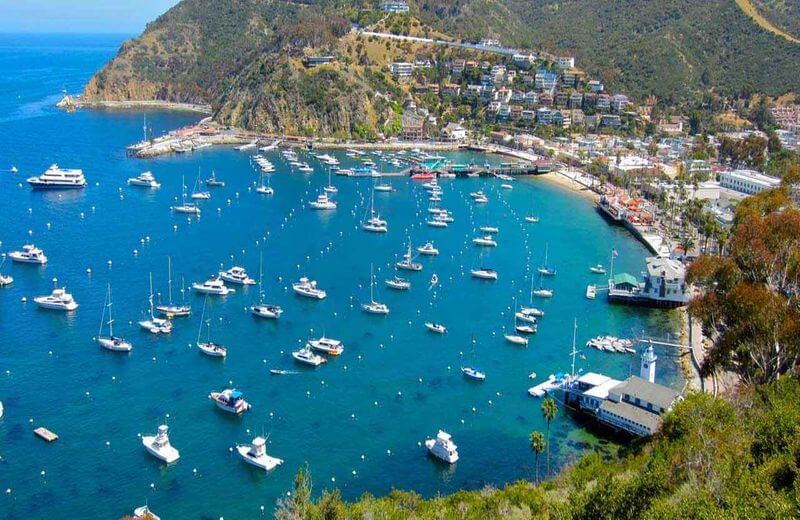
Twenty-two miles off the coast of Los Angeles, and yet Catalina Island feels like it exists in a completely different era. Cars are restricted — golf carts are the main transport in Avalon, the island's only town — and the pace slows down the moment the ferry pulls into the harbor. After the freeway chaos of the mainland, this takes about ten minutes to adjust to, and then it feels like the most natural thing in the world.
The water around Catalina is remarkably clear, making it one of Southern California's best spots for snorkeling and kayaking. The interior of the island is a protected wilderness with hiking trails, canyons, and roaming bison — a herd that has lived here since a film crew brought them over in 1924 and never came back for them.
The ferry from Long Beach or San Pedro takes about an hour. A day trip works, but staying overnight lets you see Avalon after the day-trippers leave, when it gets genuinely quiet and you realize how small and self-contained this little community actually is.
5. Death Valley
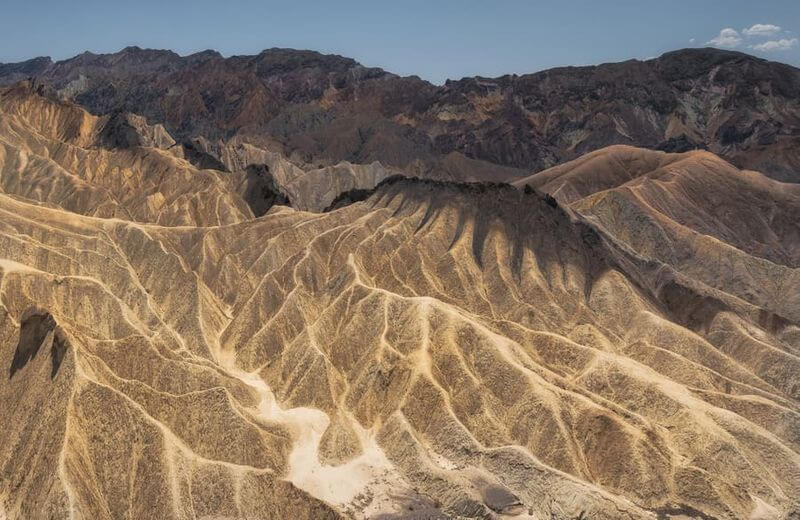
The numbers around Death Valley are difficult to process. The hottest air temperature ever recorded on Earth: 134°F, set here in 1913. The lowest point in North America: Badwater Basin, 282 feet below sea level. Over 3.4 million acres of protected desert — the largest national park in the contiguous US. These figures prepare you intellectually for Death Valley, but nothing quite prepares you for what it actually looks like.
The landscape shifts constantly: white salt flats that stretch to the horizon, multicolored mineral hillsides at Artist's Palette, sand dunes at Mesquite Flat, dramatic canyon walls at Zabriskie Point. It doesn't look like Earth. Photographers know this — the golden hour light here is extraordinary.
Visit between November and March. Summer temperatures regularly exceed 120°F and are genuinely dangerous. On clear winter nights, Death Valley is one of the best stargazing locations in the country — it's a certified International Dark Sky Park, and the Milky Way is visible to the naked eye.
6. Laguna Beach
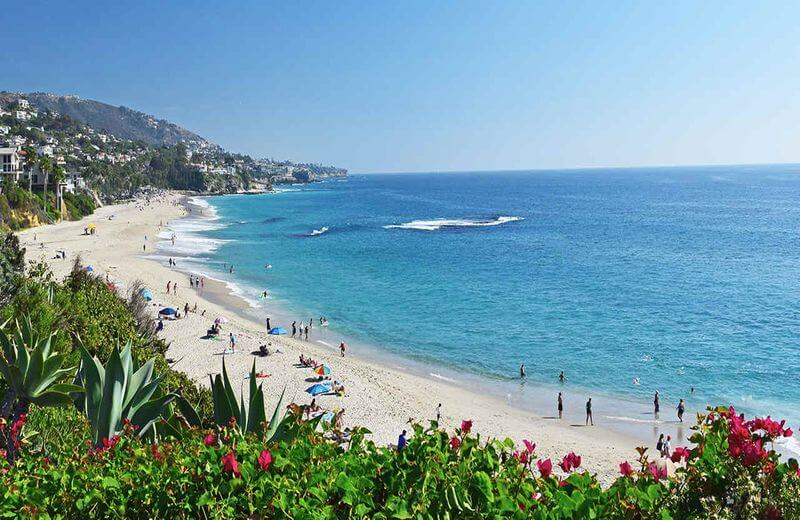
Laguna Beach has been attracting artists since the early 1900s, and spending a day here makes it immediately obvious why. The coastline is broken into dozens of small coves, sea caves, and tide pools — each one slightly different, each one worth exploring. Over 30 public beaches are packed into just nine square miles of city, which means you're never far from the water.
The Pageant of the Masters runs every summer (July–August) and is something genuinely unlike anything else — a festival where real people recreate famous paintings and sculptures in living tableaux. The artistry and attention to detail is stunning; tickets sell out months in advance.
Victoria Beach has a 1920s-era Pirate Tower rising from the sand that looks fictional but isn't. Crystal Cove State Park, just north of town, offers some of the best tide pooling in Southern California. The whole stretch feels like a California that still exists at human scale, which is increasingly rare.
7. Lake Tahoe
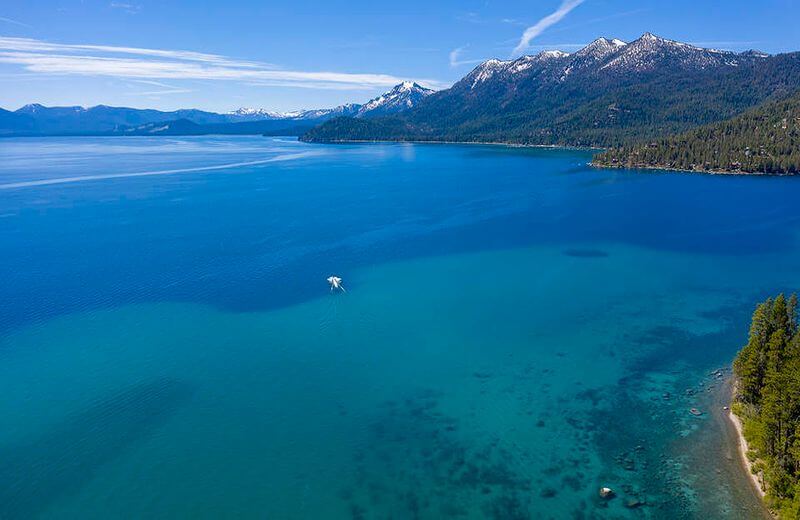
Lake Tahoe's water is the kind of blue that makes you question whether you're looking at a lake or the sky reflected in it. Clarity up to 70 feet deep, elevation at 6,225 feet, a maximum depth of 1,645 feet — all of which combine to produce a color so vivid it looks digitally enhanced. It is not.
In summer (average high around 73°F), Tahoe is a water and hiking paradise. Emerald Bay State Park is a must — a glacier-carved inlet with a tiny island at its center and a Scandinavian-style stone castle (Vikingsholm) built in 1929 that you can tour during summer. The shoreline trail offers extraordinary views without much elevation gain.
Winter transforms the surrounding Sierra Nevada into world-class ski country. Palisades Tahoe (formerly Squaw Valley, host of the 1960 Winter Olympics), Heavenly, and Northstar are the major resorts. Lake Tahoe straddles California and Nevada, so gambling at the Stateline casinos is an option if that's your thing, though the landscape alone gives you plenty to do. Not sure which season works best for you? Our Lake Tahoe Summer vs Winter Guide breaks down exactly what to expect month by month.
8. Los Angeles
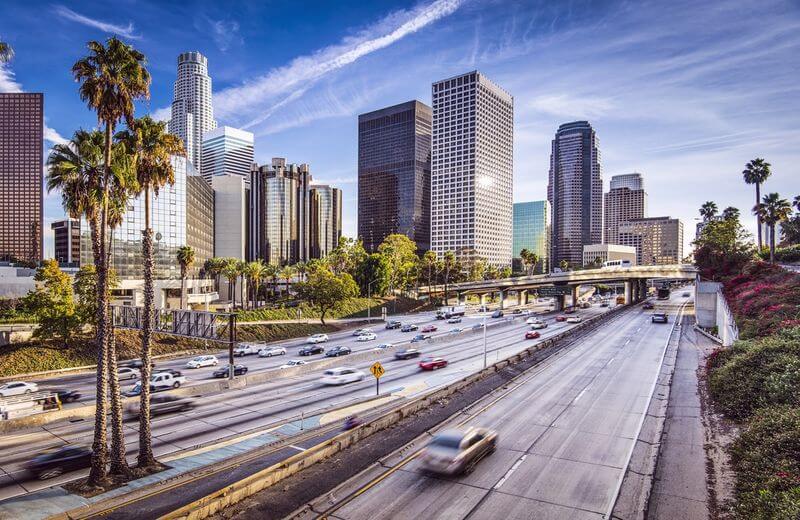
Los Angeles operates on a scale that takes getting used to. It's not one city — it's dozens of distinct neighborhoods loosely connected by freeways, each with its own character and rhythm. Venice Beach has surfers and street performers at 9am. Silver Lake has third-wave coffee shops and vintage clothing at 10am. Beverly Hills has Rodeo Drive at 11am. East LA has the best tacos anywhere for lunch. You can do all of this in one day if you're willing to fight traffic.
The Getty Center is free, architecturally stunning, and has panoramic views of the entire LA Basin — an underappreciated combination. The Griffith Observatory has those views too, plus actual astronomy. Broadly speaking, LA rewards exploration over tourist-checklist behavior; the best experiences here tend to come from wandering into neighborhoods rather than standing in lines at attractions.
Traffic is real. Download Waze. Give yourself more time than Google Maps suggests. Parking in Santa Monica and West Hollywood costs what you'd expect it to cost. Accept all of this upfront and Los Angeles becomes one of the most genuinely interesting cities in the world. Planning a weekend escape? See our Best Road Trips from Los Angeles Under 300 Miles.
9. Napa Valley
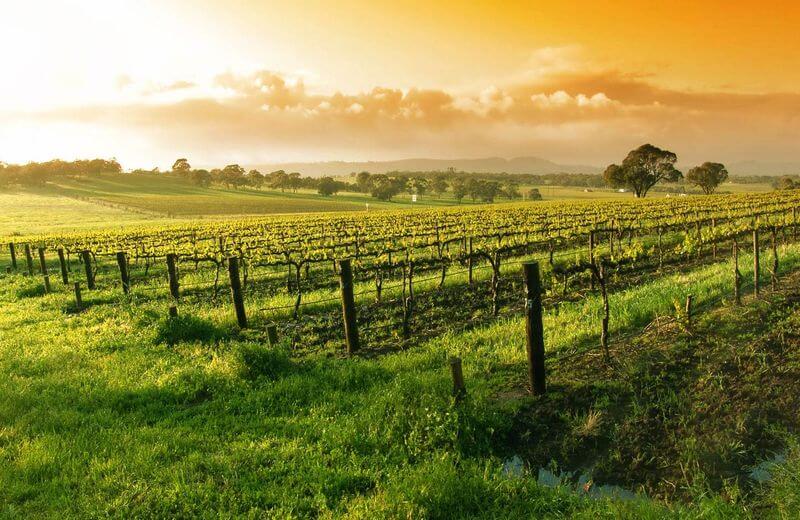
Napa Valley produces some of the world's great wines — Cabernet Sauvignon in particular — on just 30 miles of valley floor, with over 400 wineries ranging from small family operations to grand estates with tasting rooms that feel more like luxury hotels than wine businesses.
The town of Yountville is the culinary center of the valley. Thomas Keller's The French Laundry is here, holding its three Michelin stars with the kind of consistency that makes it genuinely difficult to get a reservation. But Yountville also has Bouchon Bakery (also Keller) for a far more accessible croissant and coffee situation that's worth the stop regardless.
Harvest season (September–October) is the most exciting time to visit — the valley smells of fermenting grapes, there's activity at every winery, and the vines turn red and gold. Hot air balloon rides at sunrise over the vineyard rows are expensive and entirely worth it. Book everything — wineries, restaurants, accommodation — well in advance if you're going in September.
10. Palm Springs
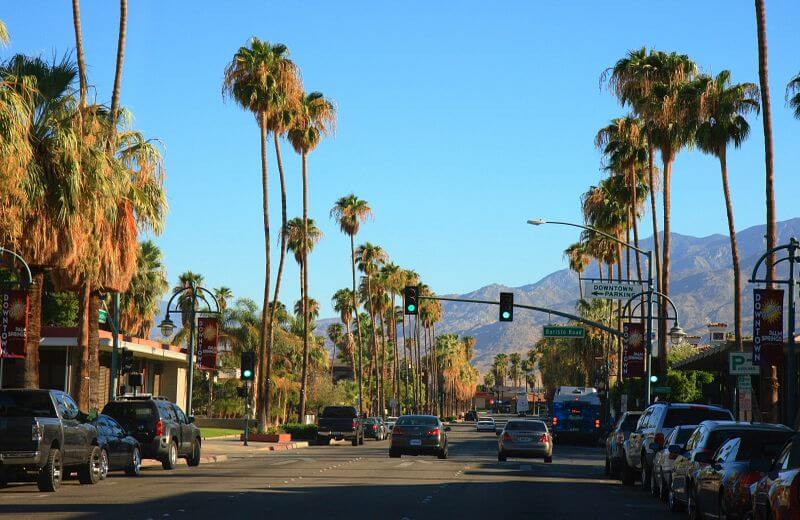
Palm Springs figured out how to make a desert feel glamorous and has been doing it since the 1940s, when Frank Sinatra, Cary Grant, and Bob Hope started building weekend homes here. The mid-century modern architecture they left behind — low-slung, glass-walled houses that blur the line between interior and exterior — has been meticulously preserved and is a genuine reason to visit in itself.
Modernism Week each February brings architecture tours, lectures, and events that fill the city. The annual Coachella Valley Music and Arts Festival (held in nearby Indio each April) has made this whole region synonymous with a particular kind of stylish outdoor experience.
The Palm Springs Aerial Tramway takes you from the desert floor to 8,516 feet in the San Jacinto Mountains in about 10 minutes — at the top, pine forests and mountain trails feel surreally different from the heat below. The temperature swing between summit and desert base can be 40°F or more, so bring a layer even in summer.
11. San Diego
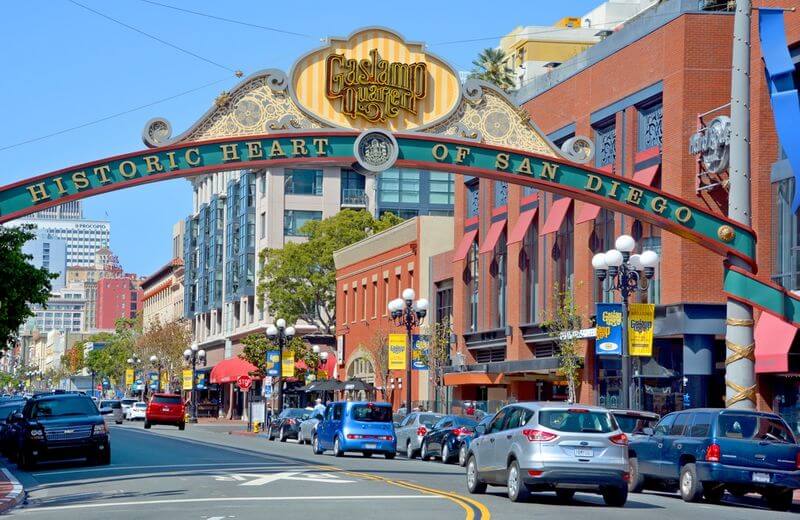
San Diego has the best weather of any major American city — mild, sunny, and consistent almost year-round — and it has quietly built a quality of life to match. It's the second largest city in California but operates with none of Los Angeles's frantic energy. People here seem to have genuinely figured something out.
Balboa Park is one of the great urban parks in America: 1,200 acres containing 17 museums, the world-famous San Diego Zoo, performance spaces, and Spanish Colonial Revival architecture built for the 1915 Panama-California Exposition. The Zoo alone justifies a full day; its giant panda program is one of the most successful in North America.
La Jolla's coastline — sea caves, rocky coves, harbor seals lounging at Children's Pool — is some of the most dramatic scenery in Southern California. Coronado Island, across the bay, has a beautiful beach and the historic Hotel del Coronado, in operation since 1888 and worth walking through even if you're not staying. The Gaslamp Quarter handles nightlife. The craft beer scene is exceptional — San Diego has more breweries per capita than almost anywhere in the US.
12. San Francisco
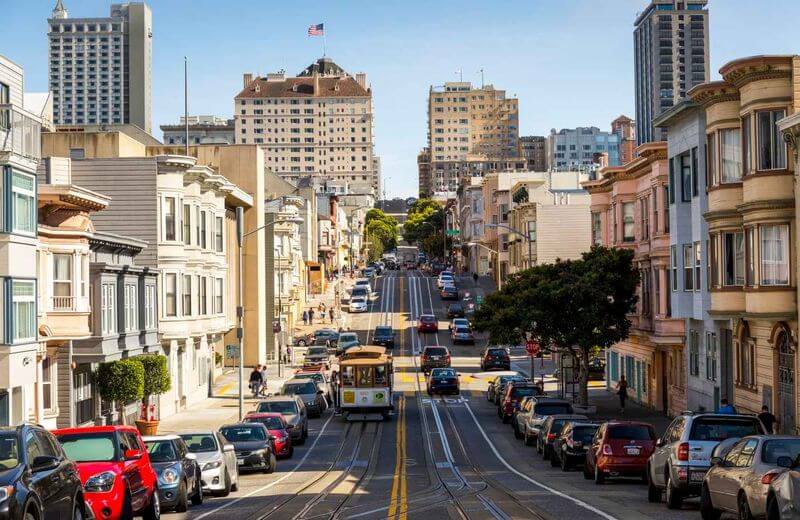
San Francisco is one of those cities where the physical setting does half the work. Built on hills, surrounded by water on three sides, with a bay that one of the world's great bridges crosses — it's visually dramatic before you've done anything at all. Then add the fog that rolls in through the Golden Gate in the afternoon, and the city acquires something almost cinematic.
The neighborhoods here are genuinely distinct. The Mission District has outstanding Mexican food and murals covering entire building sides. Chinatown — the oldest in North America, established in 1848 — runs at its own pace regardless of what the rest of the city is doing. Haight-Ashbury still carries echoes of the 1960s. The Ferry Building on the Embarcadero is a farmers market and food hall with an extremely high concentration of quality.
Cable cars are slow, crowded, and expensive — and still one of the most enjoyable ways to experience the city's hills. Alcatraz tours book out weeks in advance; reserve early. Visit in September or October for the best weather; summer in San Francisco is cold and foggy in ways that consistently surprise first-time visitors who packed for California sunshine. SF also makes an excellent base for day trips — see our Best National Parks Within 250 Miles of San Francisco for easy escapes into nature.
13. Santa Monica
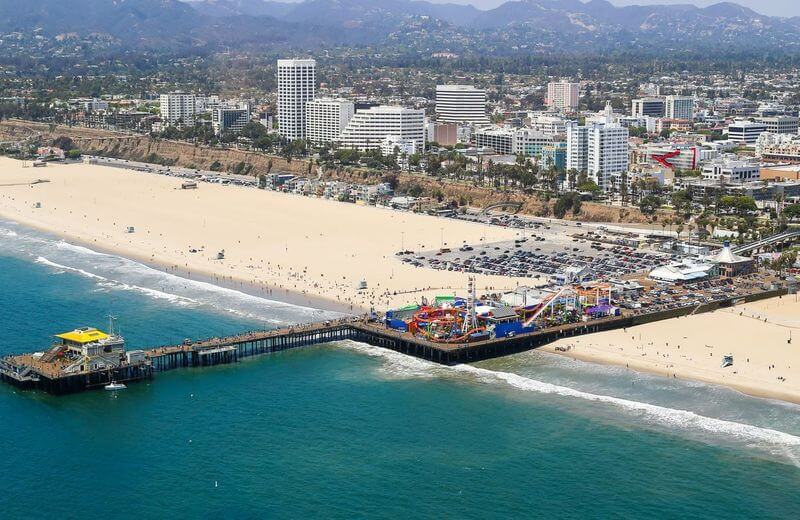
Santa Monica sits at the western end of Route 66 — the literal end of the road — and there's something satisfying about standing on the Santa Monica Pier looking at the Pacific and knowing this is where the famous highway terminates. The pier itself, built in 1909, is one of California's most recognizable landmarks: amusement rides, fishing, restaurants, and a solar-powered Ferris wheel with bay views that earns its photo.
The city runs at a more relaxed pace than LA proper, even though it's technically part of Los Angeles County. Third Street Promenade is a pedestrianized shopping and dining street with good energy, especially in the evenings. Montana Avenue, a few blocks north, is quieter and more local-feeling.
The beach bike path — The Strand — runs 22 miles along the coast from Santa Monica south through Venice Beach and Marina del Rey. Rent a bike and follow it for as long as you want. Venice Beach is a 20-minute ride and still worth experiencing for its particular version of California strangeness: bodybuilders, street performers, canals, and a skate park that has produced some of the sport's greatest names.
14. Sequoia and Kings Canyon National Parks
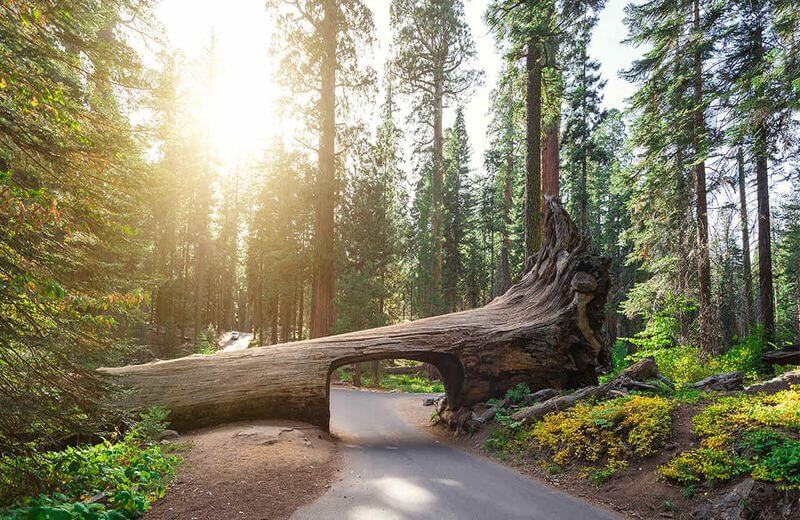
Nothing in a photograph prepares you for the actual scale of a giant sequoia. The General Sherman Tree in Sequoia National Park is the largest living organism on Earth by volume — 274 feet tall, 102 feet around the base, and estimated to be between 2,300 and 2,700 years old. It was already ancient when the Roman Empire fell. Standing at its base and tilting your head back to find the top is a legitimately humbling experience.
Kings Canyon, administered jointly with Sequoia, contains one of the deepest canyons in North America — deeper than the Grand Canyon in certain sections — yet receives a fraction of the visitors. Zumwalt Meadow in Kings Canyon is particularly beautiful: a flat riverside walk through wildflowers with canyon walls rising thousands of feet on either side.
The parks are typically accessible May through October; heavy Sierra Nevada snowfall closes most roads in winter. Wuksachi Lodge within Sequoia provides comfortable in-park accommodation that books up quickly. Allow at least two days to properly experience both parks — rushing through shortchanges the experience significantly.
15. Yosemite National Park
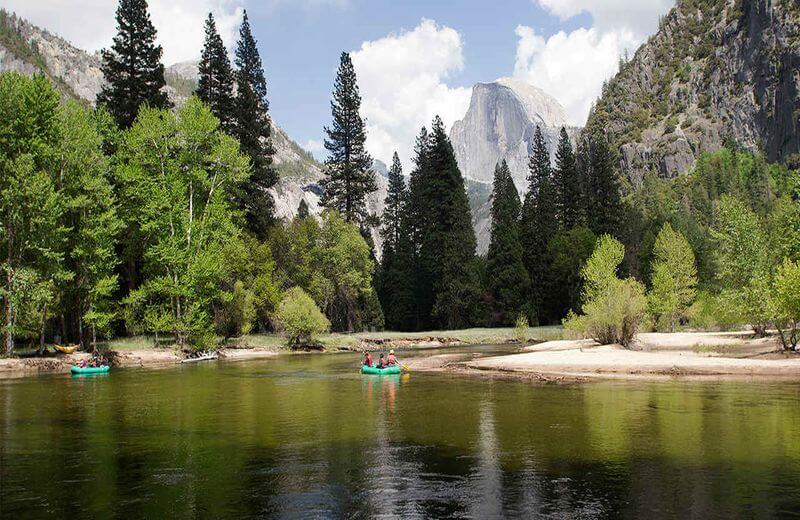
In 2026, Yosemite dropped its reservation requirement — you no longer need to book ahead to enter the park — but that freedom has come with packed parking lots and heavy traffic, particularly on summer weekends. The practical advice: arrive before 7am, visit on weekdays if possible, or use the YARTS bus system from gateway towns like Merced or Mammoth Lakes. Tioga Road, the high-elevation route through the park, opened for 2026 on May 15.
None of the logistics diminish what Yosemite actually is. Yosemite Valley — seven miles long, surrounded by sheer granite walls — contains El Capitan (3,000 feet of vertical rock, the obsession of the world's best climbers), Half Dome, Yosemite Falls (the tallest waterfall in North America), and Bridalveil Fall. Tunnel View, the overlook at the valley entrance where all of this comes into frame at once, is one of the most photographed scenes in American photography. It still stops people cold every single time.
Beyond the valley, Tuolumne Meadows at 8,600 feet offers a completely different Yosemite — open granite domes, alpine meadows, and far fewer crowds. The Mariposa Grove has its own giant sequoias. And the backcountry has hundreds of miles of trails that see almost no traffic. Yosemite rewards those who walk even a short distance from the main parking areas. For everything you need to plan your visit, see our complete Yosemite National Park Guide.