









Is New Zealand Worth the Long Flight? Honest Answer
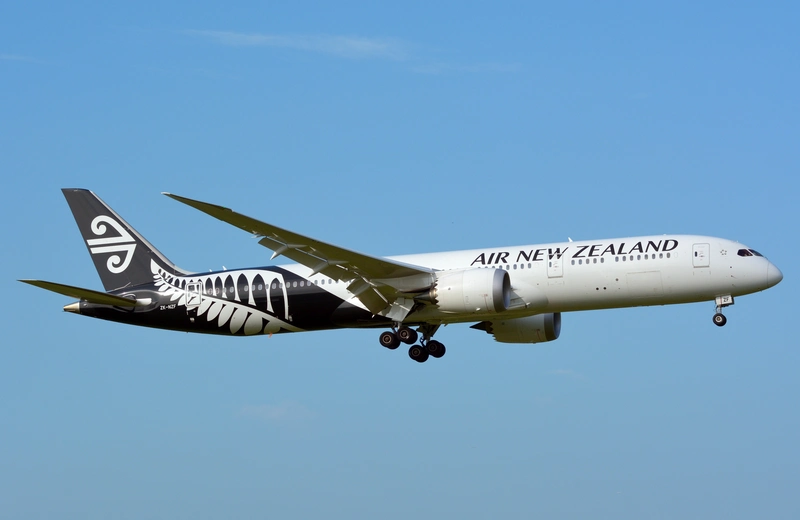
I remember staring at the flight map as my journey to New Zealand was about to begin. Thirty-plus hours of flying, multiple connections, and that inevitable jet lag — it all made me question: Is New Zealand really worth it? After weeks of wandering through misty mountains, turquoise lakes, and charming small towns, I can honestly say the answer is… a resounding yes — with a few caveats.
Traveling to New Zealand is not like hopping over to a neighboring country. It’s an adventure in itself, a commitment of time, energy, and yes, money. But the rewards are unlike anywhere else in the world. From the first time I inhaled the crisp air of Fiordland National Park to my first taste of fresh seafood at a seaside village in Dunedin, I felt transported into a world that balances dramatic natural landscapes with a relaxed, welcoming culture.
Here’s my honest take on whether New Zealand is worth the long flight.
The Pros: Why New Zealand is Absolutely Magical
1. Landscapes That Feel Otherworldly
New Zealand’s scenery is often described as cinematic — and it truly is. You go from snow-capped mountains to geothermal hot springs, from lush rainforests to golden beaches, sometimes within just a few hours’ drive. Driving through the Southern Alps, I remember stopping to stare at a jagged peak reflected perfectly in a mirror-like alpine lake. The silence, punctuated only by the occasional birdcall, felt surreal.
For anyone who loves landscapes that feel untouched and raw, New Zealand is unparalleled. It’s no wonder filmmakers flock here; from The Lord of the Rings to The Hobbit, you can walk through scenes that are literally cinematic.
2. Adventure Activities for Every Thrill Level
Whether you’re into hiking, bungee jumping, kayaking, or even skydiving, New Zealand caters to adrenaline seekers and gentle wanderers alike. I tried white-water rafting on the Shotover River — the spray hitting my face and the roar of water beneath me made the long flight completely worthwhile. Meanwhile, friends of mine took a tranquil kayak trip through the Abel Tasman National Park, paddling through crystal-clear waters with seals lazily sunbathing on the rocks.
3. A Unique and Friendly Culture
The locals, known as Kiwis, add a human warmth to New Zealand’s natural beauty. Hospitality isn’t just a buzzword here; it’s a way of life. In a small café in Wellington, a barista noticed my travel-worn look and insisted I try the locally roasted coffee with a piece of homemade pavlova on the house. Small gestures like this make a faraway trip feel intimate and welcoming.
4. Wildlife and Nature Encounters
From spotting playful dolphins in Bay of Islands to watching rare yellow-eyed penguins on the South Island’s rugged coast, New Zealand offers wildlife encounters that feel close yet respectful. Unlike heavily touristed wildlife experiences elsewhere, here, nature feels protected and genuine.
The Cons: Why You Should Think Before Booking
1. It’s a Long Journey
Let’s be honest: getting to New Zealand is no small feat. For most travelers from North America or Europe, you’re looking at 20–30 hours of travel with layovers. Jet lag hits hard; I spent two days walking around Auckland feeling like a zombie, despite my excitement. If you’re short on vacation days, the long flight can feel daunting.
2. Travel Costs Are High
Flights are expensive, often ranging from $1,200 to $2,000+ depending on the season and your departure city. Accommodation varies, but boutique lodges and eco-lodges can be pricey. While public transport exists, renting a car or campervan is often necessary to explore fully, adding to costs. Budget travelers need careful planning.
3. Distance Means Planning Is Essential
You can’t “pop over” to New Zealand on a whim. Once you’re there, itineraries require careful thought. Distances between attractions may seem short on a map but can take hours to drive through winding mountain roads. For example, a trip from Queenstown to Milford Sound takes nearly 4 hours one-way, and the road itself is part of the experience — narrow, scenic, and occasionally hair-raising.
Practical Advice for Travelers Considering the Trip
Best Time to Visit
New Zealand’s climate varies between the North and South Islands, so timing can make a huge difference.
-
Summer (December–February): Warm, ideal for beaches and hiking. Tourist hotspots can be crowded.
-
Autumn (March–May): Stunning fall foliage, fewer crowds, and still pleasant weather.
-
Winter (June–August): Snow sports in the South Island, quieter towns, and cozy lodges.
-
Spring (September–November): Blooming landscapes, baby animals, and mild temperatures.
Personally, I found late autumn perfect: the South Island’s trails were tranquil, and the golden light over the mountains was unforgettable.
Must-See Destinations
-
North Island: Auckland (vibrant city life), Bay of Islands (marine adventures), Rotorua (geothermal wonders and Maori culture).
-
South Island: Queenstown (adventure capital), Fiordland National Park (dramatic fjords), Abel Tasman National Park (golden beaches and kayaking).
A hypothetical scenario: imagine arriving in Queenstown, the air crisp, the Remarkables mountains dusted with snow, and a hot chocolate in hand as you watch paragliders descend. That memory alone justifies the long flight.
Suggested Duration of Stay
A trip of 2–3 weeks allows you to explore both islands without feeling rushed. If you only have one week, focus on a single island. For first-timers, I recommend at least 10 days: five on the North Island and five on the South.
Flight Tips and Travel Logistics
-
Book early: Flights can spike in price closer to departure.
-
Overnight flights: Try to sleep on the plane to minimize jet lag. Noise-canceling headphones and an eye mask are lifesavers.
-
Layovers: Consider breaking up the trip with a stop in Asia or Australia to stretch your legs.
-
Internal travel: Renting a car or campervan gives flexibility; buses are an alternative but limit spontaneous exploration.
Cost Considerations
Budget around $150–$250 per day for mid-range travel, including lodging, meals, and transport. Luxury travelers will spend more, while backpackers can manage with careful planning, hostels, and cooking their own meals. Remember, many natural attractions are free or low-cost, which balances accommodation expenses.
Immersive Experiences That Make the Flight Worthwhile
Some of my favorite moments weren’t just sightseeing but fully immersing myself in local life.
-
Watching the sunrise over the Tongariro Alpine Crossing. The volcanic landscape bathed in golden light, the scent of damp earth, and the distant sound of birds felt like stepping into a painting.
-
Sipping wine at a vineyard near Marlborough, feeling the sun warm my face, and chatting with locals about their farming practices.
-
Stargazing in Tekapo, where the Milky Way is so vivid it almost seems touchable.
These are the experiences that linger long after the flight home.
Conclusion: Is It Worth the Long Flight?
After weighing the pros and cons, my honest answer is yes — New Zealand is absolutely worth the long flight. Yes, it’s far, and yes, planning is crucial, but the reward is a country that offers raw beauty, unique adventures, and genuine human connection.
Imagine this: you land, tired yet exhilarated, and as the plane descends over emerald hills and shimmering waters, you know the journey itself was part of the adventure. The long flight fades in memory compared to the stories you’ll tell, the landscapes you’ll witness, and the soul-refreshing experiences you’ll carry home.
If you love nature, adventure, and cultural warmth, and are willing to invest the time and resources, New Zealand isn’t just worth the flight — it’s worth every single hour in the air.