



Is Driving in Albania Worth It?
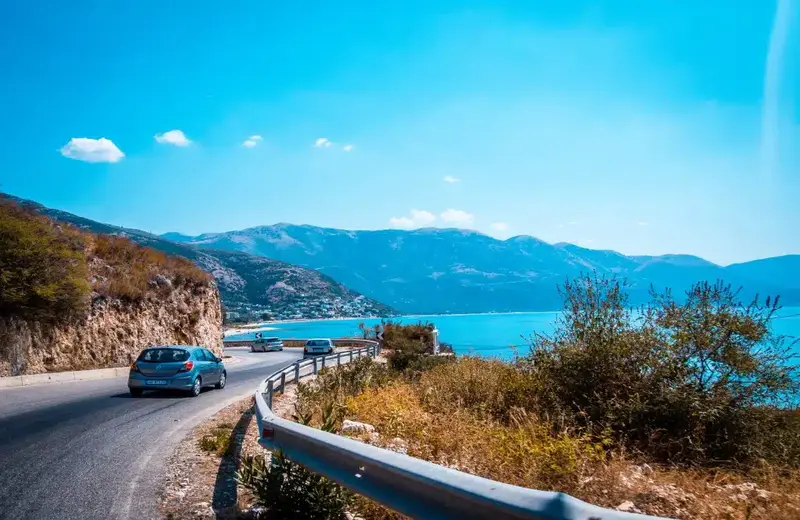
Albania is one of Europe’s most underrated road-trip destinations. Snow-capped mountains, dramatic coastal highways, Ottoman-era towns, and remote villages untouched by mass tourism—all packed into a country smaller than many U.S. states. And the best way to experience it? Driving.
For many travelers, the idea of driving in Albania sparks curiosity mixed with concern. Stories of chaotic traffic, unpredictable roads, and “creative” driving habits circulate online. While some of these perceptions aren’t entirely unfounded, they’re often exaggerated or outdated.
The truth is this: driving in Albania is not difficult if you’re prepared. Roads have improved significantly over the past decade, car rentals are affordable, and a little local knowledge goes a long way.
This expert guide covers everything you need to know—from road rules and real driving conditions to safety tips and smart car rental advice—so you can decide if driving in Albania is right for your trip and do it with confidence.
Why Drive in Albania?
Public transport in Albania exists, but it’s limited, informal, and slow. Buses and furgons (shared minibuses) don’t always follow schedules, routes can change without notice, and reaching remote beaches or mountain villages can be a logistical challenge.
Driving gives you:
-
Freedom to explore off-the-beaten-path destinations
-
Time efficiency, especially for short trips
-
Access to rural Albania, where the real magic lives
-
Flexibility to stop for viewpoints, cafes, and hidden beaches
From the Albanian Riviera to the Theth–Valbona region, many of the country’s most beautiful places are best reached by car.
Road Rules in Albania: What Drivers Must Know
Driving Side & Basic Laws
-
Driving side: Right
-
Minimum driving age: 18
-
Seat belts: Mandatory for all passengers
-
Mobile phone use: Only with hands-free systems
-
Headlights: Required at night and in low visibility
Traffic police are active, particularly near major cities and along highways. Fines are usually payable on the spot or at designated banks.
Speed Limits in Albania
Speed limits are clearly posted but not always strictly followed by locals. Visitors, however, should stick to the rules.
-
Urban areas: 40 km/h
-
Rural roads: 80 km/h
-
Highways: 110 km/h
Speed cameras are becoming more common, especially on newly upgraded roads.
Alcohol Limits
Albania has a near-zero tolerance alcohol policy.
-
Legal limit: 0.01% BAC
Even one drink can put you over the limit. If you’re driving, it’s safest not to drink at all.
Right of Way & Road Signs
Officially, right-of-way rules follow European standards. In practice, intersections can feel more “negotiated” than regulated.
Tips:
-
Don’t assume others will yield, even if signs indicate they should
-
Approach roundabouts cautiously
-
Expect scooters and pedestrians to appear unexpectedly
Road signs use international symbols and are generally easy to understand, though some rural signage may be missing or faded.
Real Driving Conditions in Albania
Road Quality: Better Than You Expect, Worse Than You Hope
Albania’s road infrastructure has improved dramatically, especially on main routes connecting Tirana, coastal cities, and tourist hubs.
What’s good:
-
New highways between major cities
-
Smooth roads along the Albanian Riviera
-
Well-maintained urban streets
What’s challenging:
-
Potholes on secondary and rural roads
-
Narrow mountain passes
-
Occasional livestock on the road
-
Poor lighting outside cities
If you stick to main routes, driving is straightforward. Once you head into rural or mountainous areas, expect slower speeds and rougher conditions.
Mountain Roads: Scenic but Demanding
Mountain driving in Albania is breathtaking—and requires focus.
Expect:
-
Sharp hairpin turns
-
Steep inclines and descents
-
Minimal guardrails
-
Weather-related challenges (fog, rain, snow in winter)
If you’re heading to places like Theth, Valbona, or Llogara Pass, a confident driver and a solid vehicle are essential.
Urban Driving: Organized Chaos
Driving in Tirana, Durrës, or Shkodër can feel intense at first.
Common characteristics:
-
Aggressive lane changes
-
Limited use of indicators
-
Double parking
-
Frequent honking
The key is staying calm, predictable, and patient. After a day or two, many travelers adapt quickly.
Safety Tips for Driving in Albania
Driving in Albania is generally safe, but these expert tips will make it smoother:
1. Drive Defensively
Assume others may:
-
Change lanes suddenly
-
Ignore traffic rules
-
Stop without warning
Leave extra space and avoid confrontations.
2. Avoid Night Driving in Rural Areas
Poor lighting, animals on the road, and unexpected hazards make night driving outside cities risky.
3. Watch for Livestock
Cows, goats, and sheep frequently cross rural and mountain roads—often without warning.
4. Use Offline Maps
Mobile coverage can drop in remote areas. Download Google Maps or Maps.me offline before your trip.
5. Carry Cash
Some fuel stations and rural services don’t accept cards.
Car Rental in Albania: Everything You Need to Know
Is Renting a Car in Albania a Good Idea?
Absolutely. Car rentals are affordable, widely available, and often the most practical option for travelers.
Car Rental Requirements
To rent a car in Albania, you’ll typically need:
-
Passport
-
Valid driver’s license
-
Credit card (some accept debit cards)
-
Minimum age: usually 21–23 (varies by company)
An International Driving Permit (IDP) is recommended but not always required for EU, UK, US, and Canadian licenses.
Best Places to Rent a Car
-
Tirana International Airport (TIA) – Most convenient
-
Tirana city center – Competitive pricing
-
Coastal cities (Sarandë, Vlora) – Seasonal availability
Airport rentals are ideal for road trips starting immediately.
What Type of Car Should You Rent?
-
Small car: Cities and coastal routes
-
SUV or higher clearance: Mountain regions and rural roads
-
Manual transmission: Most common and cheaper
Automatic cars are available but limited—book early if needed.
Car Rental Insurance: Don’t Skip This
Basic insurance is usually included, but it comes with high deductibles.
Recommended add-ons:
-
Collision Damage Waiver (CDW)
-
Theft protection
-
Tire and windshield coverage
Road conditions make extra insurance worth the cost.
Inspect the Car Thoroughly
Before driving off:
-
Photograph existing damage
-
Check tires and spare
-
Test headlights and brakes
-
Confirm fuel policy
This avoids disputes when returning the vehicle.
Fuel, Parking & Practical Driving Tips
Fuel Stations
-
Widely available on main roads
-
Fewer options in remote areas
-
Fuel types: Diesel (Naftë) and Petrol (Benzinë)
Tip: Fill up before heading into the mountains.
Parking in Albania
-
Cities often have paid street parking
-
Look for blue or white parking lines
-
Parking attendants are common
Never block driveways or double-park—cars can be towed quickly.
Tolls
Currently, Albania has very few toll roads, making road trips budget-friendly.
Common Mistakes First-Time Drivers Make
-
Overestimating travel times
-
Driving too fast on unfamiliar roads
-
Skipping insurance
-
Assuming Google Maps knows road conditions perfectly
Always add buffer time and trust your judgment over GPS when necessary.
Is Driving in Albania Right for You?
Driving in Albania is ideal if you:
-
Enjoy independent travel
-
Want to explore remote areas
-
Are comfortable driving in unfamiliar conditions
-
Value flexibility over convenience
If you prefer structured transport and minimal stress, buses and guided tours may suit you better.
Final Thoughts: Driving Albania with Confidence
Driving in Albania isn’t about perfection—it’s about adaptability. Roads may surprise you, traffic may test your patience, and signage may occasionally disappear. But the reward is immense.
Few European countries offer such raw beauty, cultural depth, and freedom for drivers willing to embrace a bit of unpredictability. With the right preparation, a cautious mindset, and realistic expectations, driving in Albania becomes not just manageable—but memorable.
If you’re ready to see Albania beyond the guidebooks, grab the keys. The road is waiting.