The Living Heartbeat of Albanian Culture
As someone who's trekked the peaks of the Albanian Alps, wandered the Ottoman-era streets of Gjirokastër, and shared raki with locals in mountain villages, I can tell you: Albania's true magic lies in its people and their enduring traditions. Rooted in ancient Illyrian heritage, shaped by Ottoman, Byzantine, and Mediterranean influences, and fiercely preserved through centuries of resilience, Albanian culture thrives on hospitality, community, and seasonal renewal.
The code of besa—a sacred promise of honor, loyalty, and protection of guests—remains a cornerstone. Hospitality isn't optional; it's a cultural imperative. Strangers become family at the table, and stories are shared late into the night in the traditional oda (guest room), where oral histories, epic songs, and wisdom pass from generation to generation.
In 2026, Albania offers travelers immersive cultural experiences through public holidays, pagan-rooted festivals, and folk celebrations that blend ancient rituals with joyful modern gatherings. Whether you're drawn to spring picnics, polyphonic singing, or national pride parades, these events reveal the soul of a nation that's welcoming, vibrant, and unpretentious.
Here are the must-experience traditional Albanian festivals and customs for 2026.
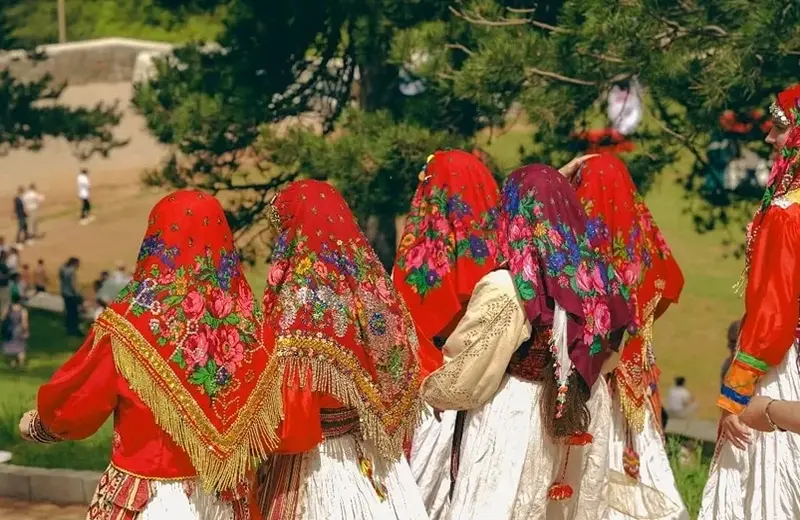
Dita e Verës (Summer Day) – Albania's Joyful Spring Awakening – March 14, 2026
One of the oldest and most beloved traditions, Dita e Verës marks the end of winter and the triumphant arrival of spring. This pagan-rooted festival, officially a public holiday since 2004, celebrates the strengthening of the Sun (Dielli) and nature's renewal—echoing ancient Albanian beliefs in the sun god and the Earth mother.
Families picnic in parks, hillsides, or scenic spots, often starting early with visits to relatives. Key rituals include:
- Baking and sharing ballokume (crumbly corn-sugar cookies unique to Elbasan, symbolizing sweetness for the new season)
- Jumping over small bonfires for purification and good fortune
- Boiling eggs the night before and washing eyes with the water for health
- Eating traditional foods like dried figs, walnuts, boiled eggs, and turkey legs
The biggest celebrations happen in Elbasan (its spiritual birthplace), but Tirana hosts concerts and street festivities, while towns like Korçë, Berat, and Skrapar add local twists with music, dances, and masks.
Pro tip for travelers: Join a family-style picnic in Elbasan or Tirana's parks—locals are incredibly welcoming. Pack comfortable shoes for outdoor fun, and don't miss the ballokume; it's addictive!
This is the perfect entry point into Albanian customs: simple, communal, and tied to nature.
Nevruz Day – Renewal and Bektashi Heritage – March 22, 2026
Celebrated as a fixed public holiday, Nevruz (or Dita e Nevruzit) aligns with the Persian New Year but carries deep significance for Albania's Bektashi community (a Sufi order blending Islamic mysticism with local traditions). It symbolizes rebirth, nature's awakening, and harmony.
Customs include family gatherings, special meals, and symbolic acts like planting or cleaning homes. In Tirana and Kruja, expect cultural events, music, and food stalls.
It's a quieter, reflective festival—ideal for those seeking spiritual or low-key cultural immersion.
Gjirokastër National Folklore Festival – The Crown Jewel of Albanian Tradition (Next Likely in 2028, But Regional Echoes in 2026)
Held every five years at the stunning UNESCO-listed Gjirokastër Castle, this is Albania's most prestigious showcase of intangible heritage: iso-polyphonic singing (UNESCO-listed), regional dances, epic lahuta ballads, and elaborate traditional costumes.
The last edition was in 2023 (June-July); the next is expected around 2028. However, 2026 offers plenty of smaller folklore events, like regional polyphony performances in the south or folk gatherings in cities.
Why it matters: These festivals preserve polyphony—layered, unaccompanied male voices unique to southern Albania—and warrior dances around fires, drawing from pagan roots.
Where to experience similar vibes in 2026: Look for local folk nights in Gjirokastër, Shkodër, or festivals like Sofra Dardane (June in Bajram Curri) with women in traditional attire.
Independence Day & Liberation Day – National Pride in Full Swing – November 28-29, 2026
These back-to-back public holidays are Albania's biggest patriotic celebrations. November 28 marks the 1912 Declaration of Independence from the Ottoman Empire, while November 29 commemorates liberation from Nazi occupation in 1944.
Expect:
- Massive parades and concerts in Tirana and Pristina
- Flag-waving, fireworks, and street parties
- Military displays and cultural performances
It's electric—join locals in Skanderbeg Square for a sense of unbreakable national spirit.
Other Timeless Albanian Customs to Experience Year-Round
- Besa and Hospitality: Accept every coffee or meal invitation. In rural areas, guests are treated like royalty—raki flows, stories unfold.
- Oda Gatherings: In northern villages, join (if invited) these male-dominated rooms for epic songs and debates—history comes alive orally.
- Wedding Traditions: If you're lucky to attend one, witness multi-day feasts, dowry exchanges (paja and dhuntia), and circle dances.
- Religious Harmony: Experience Eid al-Fitr (variable, around March-April 2026) or Easter celebrations—Albanians of all faiths coexist peacefully, a living custom of tolerance.
Immerse Yourself in Albania's Timeless Spirit
Albanian festivals and customs aren't museum pieces—they're living, breathing expressions of identity, resilience, and joy. In 2026, plan around Dita e Verës for spring magic, Nevruz for reflection, or November's national fervor for energy.
Travel slow: stay in guesthouses, share tables, learn a few words of Albanian. The warmth of besa will make you feel at home.
Mirë se vini—welcome to the heart of the Balkans!