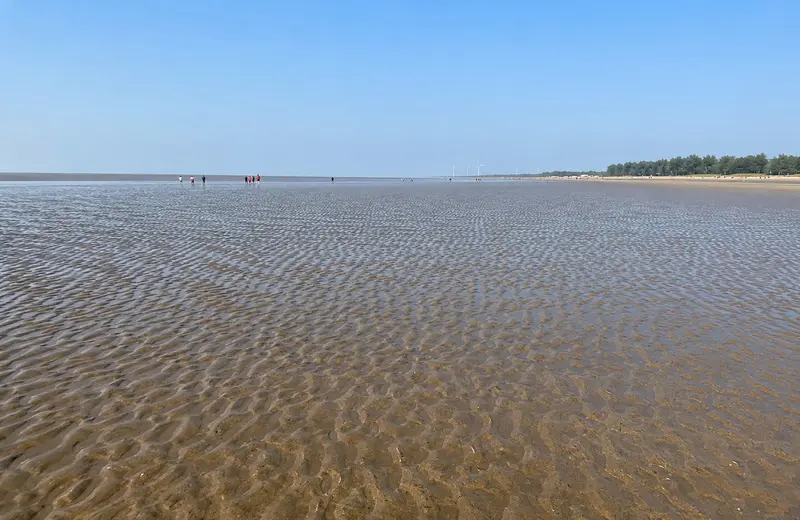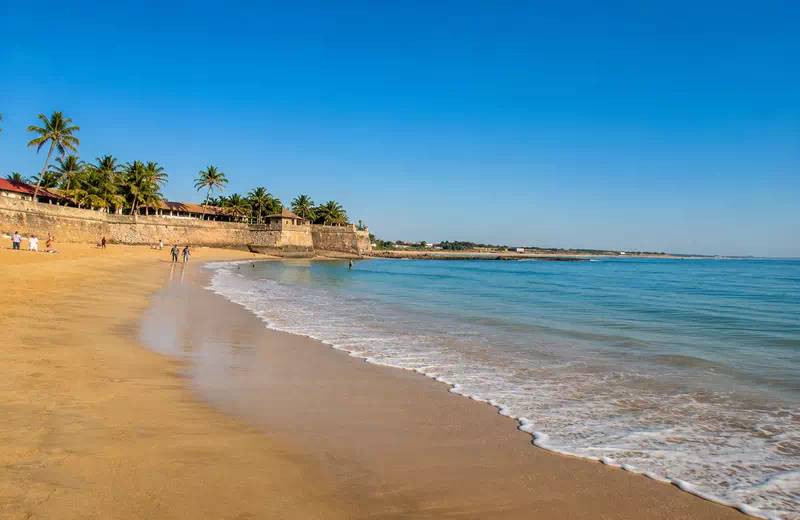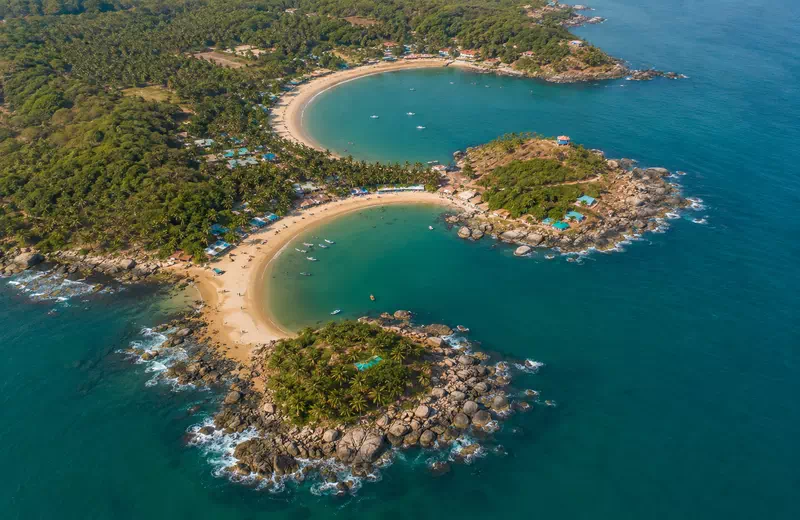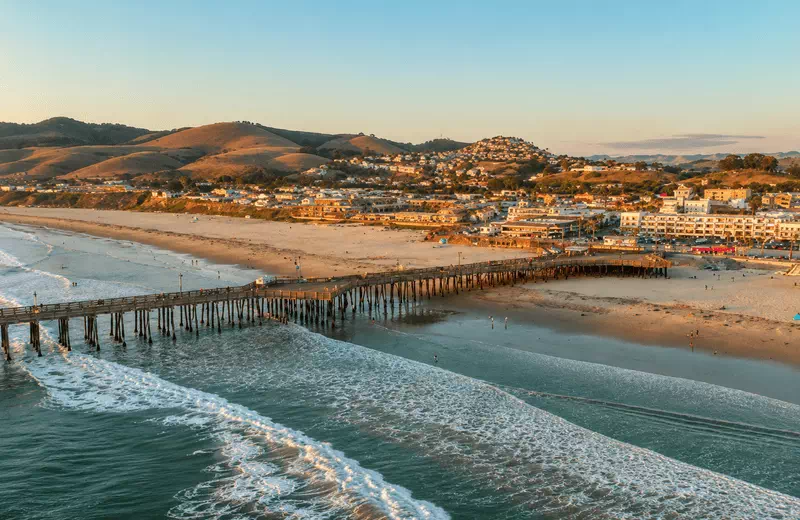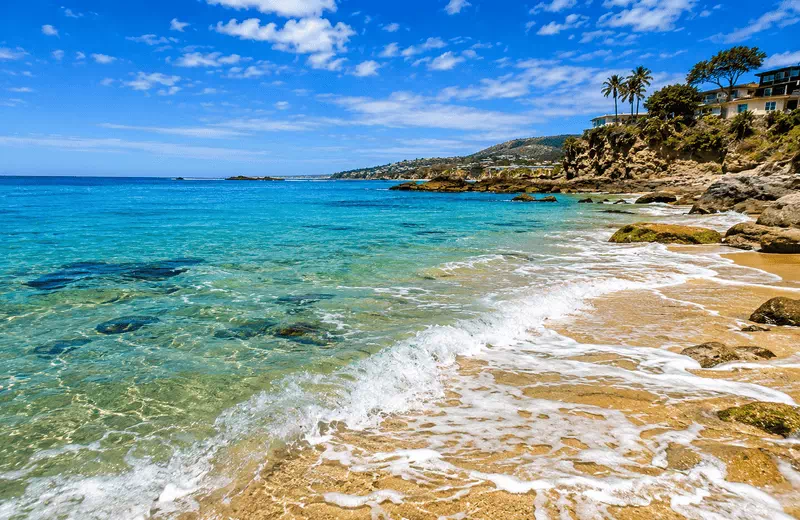
Some beaches sell you activity. Marari Beach sells you the opposite. There are no jet-ski touts, no thumping shacks, no line of parasails against the sky. What you get instead is a long ribbon of soft sand, coconut palms leaning toward the water, and wooden fishing boats that slide out at dawn and come back heavy in the afternoon. This is a working coast in the Alappuzha district of Kerala, and its whole appeal is that not much happens here.
The name is a shortening of Mararikulam, the fishing village it belongs to, a short hop from the famous Alleppey backwaters. People who find Marari Beach tend to be running from something: the crowds of Goa, the noise of a city, the pressure to fill every hour of a holiday. If that sounds like the trip you actually want, here is how to reach it, when to come, what to do once the doing-nothing wears off, and where to sleep and eat along the way.
A slow, uncrowded stretch of Kerala coast where fishing boats, palm shade and Ayurveda matter more than water sports.
At a Glance
| Detail | Information |
|---|---|
| Location | Mararikulam, Alappuzha (Alleppey) district, Kerala, on the Arabian Sea |
| Known for | Quiet golden-sand beach, fishing village life, Ayurveda, seafood |
| Nearest town | Alleppey (Alappuzha), about 15 km away |
| Nearest airport | Cochin (Kochi) International, roughly 60 km / around 1.5 hours |
| Nearest railway | Mararikulam station (local); Alappuzha for better connections |
| Best time to visit | October/November to March (dry and pleasant) |
| Water sports | Very limited; this is a relaxation-first beach |
| Time needed | 2 to 4 relaxed days |
| Good for | Couples, families, solo travellers, anyone wanting rest over action |
Why Marari Beach Feels Different
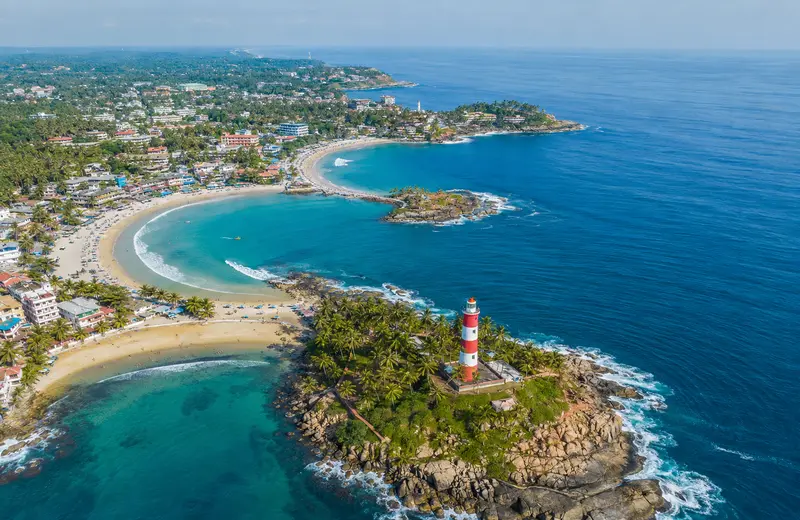
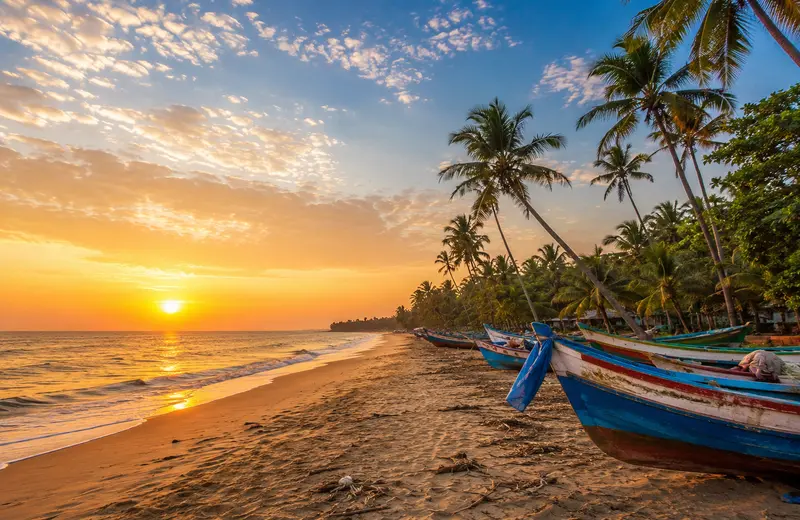
Kerala has flashier beaches. Kovalam has its curved coves and lighthouse, and if you want that livelier, surf-and-Ayurveda energy the guide to Kovalam Beach in Kerala lays it out well. Marari is the other end of the spectrum. The sand runs for kilometres, wide and clean, and on most stretches you will share it with more crabs than people.
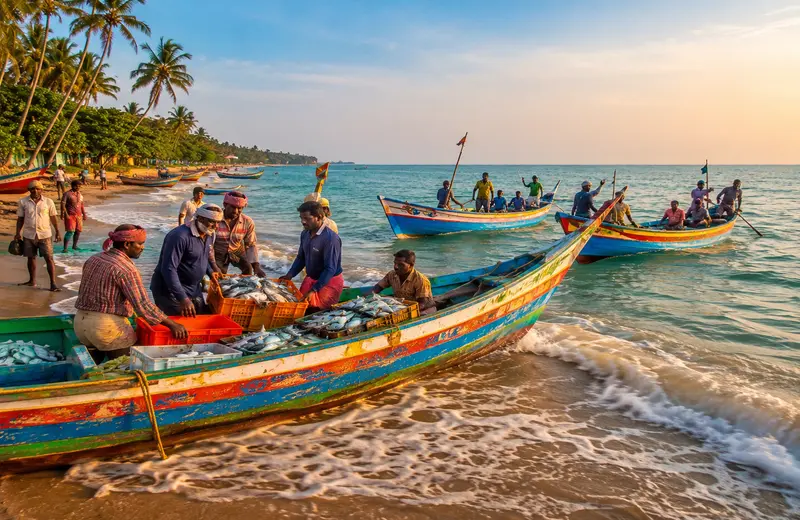
The rhythm here still belongs to the fishermen. Before sunrise the boats push out, and by late afternoon they return with the day's catch, which often lands on a beachside grill by evening. Between those two moments the beach mostly just breathes. You walk. You read. You watch a Brahminy kite ride the thermals over the palms. The village behind the sand carries on with its coir-making and its cattle and its churches, largely indifferent to whether you are there or not.
Set your expectations before you arrive. Marari has no nightlife to speak of, most kitchens wind down by around ten, ATMs are thin on the ground, and organised water sports are minimal. That absence is the product, not a flaw.
For travellers who collect this kind of stillness, Marari sits comfortably alongside India's other quiet shores. If you like the idea, the round-up of secret beaches in India that feel like private paradises is worth a browse for your next trip.
Best Time to Visit Marari Beach
The comfortable window runs from roughly October or November through March. Skies stay mostly clear, humidity eases off, and the sea is calmer, which makes the long beach walks and boat outings far more pleasant. This is also the stretch when Kerala's tourist season is in full swing, so book stays ahead if you are coming around the December and January holidays.
April and May turn hot and sticky, with strong sun and little breeze until you reach the water. The southwest monsoon then takes over from around June into September, bringing heavy rain and a rougher, often unsafe sea. The upside of the wet months is atmosphere and price. The greenery is at its most intense, resorts drop their rates, and you will practically have the sand to yourself, as long as you accept that swimming may be off the table.
Time of day matters as much as the season. Early morning belongs to the fishermen and the softest light. Late afternoon into sunset is when the beach glows and the returning boats make the best foreground for a photograph.
How to Reach Marari Beach
Marari sits about 15 km from Alleppey town, close enough to the backwaters to fold both into one trip.
By air. The nearest airport is Cochin (Kochi) International, roughly 60 km north, generally around a ninety-minute drive depending on traffic. From arrivals you can pre-book a taxi straight to your resort, which is the smoothest option after a flight.
By rail. Mararikulam has its own small railway station, handy if a local train fits your route. For more frequent long-distance connections, aim for Alappuzha station and cover the last stretch by taxi or auto-rickshaw. Kottayam and Ernakulam (Kochi) are the other useful railheads within reach.
By road. Kerala's coastal road network is easy and scenic, with the national highway passing a short distance east of Mararikulam. Taxis and autos run readily from Alleppey, and self-drive or a hired car works well if you plan to explore the wider region. Local buses connect Alleppey to Mararikulam cheaply for backpackers.
If you would rather base yourself at Kerala's better-known beach and day-trip out, the practical breakdown in how to reach Varkala Beach from Kochi covers the same Kochi-gateway logistics from a different angle.
Things to Do at Marari Beach
The honest headline is that the main activity is rest. That said, a few days here fill up more easily than you would think.
Walking the beach is the obvious one, and it rarely gets old because the light and the fishing activity keep shifting. Renting a bicycle to wander the village lanes is the other classic Marari experience, taking you past coir workshops, paddy edges, small churches and homes where daily life plays out in the open. Ayurveda is woven into the fabric of the place, and many stays offer treatments delivered by trained practitioners rather than spa-menu gimmicks, which makes this a genuine spot to slow your body down as well as your schedule.
Then there is the water and the food that comes out of it. You can often arrange to head out with local fishermen, tides and safety permitting, for a first-hand look at how the catch is brought in. That catch is the reason seafood here is so good.
The single best half-day trip is into the Alleppey backwaters. A daytime canoe or small country-boat cruise slips through narrow canals that the big houseboats cannot reach, past villages where women wash clothes at the water's edge and children leap from the banks. It is a completely different Kerala from the beach, and it is right next door.
Where to Stay and What to Eat
Marari's accommodation splits neatly into three moods. Homestays and small guesthouses in and around Mararikulam are the budget and mid-range backbone, and they are the friendliest way to plug into village life, often with home-cooked Keralan meals thrown in. A step up sits a cluster of boutique and eco-minded properties, many built around organic gardens, coconut groves and Ayurvedic treatment rooms. At the top end, a handful of luxury resorts spread across sprawling grounds where the sea sits on one side and the backwaters on the other, with private pools, spice gardens and farm-to-table kitchens.
Whatever your budget, come hungry. The seafood is the real souvenir here. Karimeen, the local pearl spot fish, is the dish to seek out, often served as a fiery pollichathu wrapped and cooked in banana leaf. Prawn curry, masala crab and the coconut-rich Alleppey fish curry round out the table, best mopped up with soft appams or plain rice. A whole fish grilled over coals as the sun goes down, feet in the sand, is about as good as a beach dinner gets.
Try to eat where the boats land. The fish that was in the sea this morning tastes very different from anything trucked in, and the beachside kitchens near the fishing stretch know exactly what to do with it.
Places to Visit Near Marari Beach
Marari works beautifully as a base because so much of central Kerala sits within an easy drive.
The Alleppey backwaters are the headline neighbour, whether you cruise them by day or splurge on an overnight houseboat. Alleppey Beach, about 15 km away, adds a nineteenth-century lighthouse you can climb for a coastline view. Birdwatchers can push on to the Kumarakom Bird Sanctuary across the water. Closer to home, the village itself rewards slow exploration, from coir-making units to the Mararikulam Shiva Temple and the old coastal churches that dot this stretch of coast.
Culture-minded travellers can build a wider loop. Kerala's temple trail is deep, and the overview of the state's most famous temples in Kerala helps you slot a few into the route. For a change of scenery, the hill country is a classic pairing with the coast: swap sand for tea estates using the guide to the best places to visit in Munnar, and if you have time for a waterfall day, plan around the tips in when to visit Athirapally Falls. Northern Kerala has its own coastline too, sketched out in this look at the beaches in Kozhikode.
Travel Tips for Marari Beach
A little preparation goes a long way at a beach this low-key. The sea can carry currents and is not uniformly safe for swimming, so ask locally about conditions on the day, keep a close eye on children, and stay out entirely when the water is rough during the monsoon. The beach is broadly clean, especially along the resort stretches, though this is a living fishing coast rather than a manicured resort strip, so mornings bring boats, nets and the everyday business of the village.
Practical matters are simple if you plan for them. Carry enough cash, since ATMs are scarce and cards are not accepted everywhere. Pack light cottons, strong sunscreen and a hat for the open sand, and something that covers shoulders and knees for temple visits or wandering the village. Mosquito repellent earns its place in the evenings, particularly near the backwaters.
Draw out cash in Alleppey or at the airport before you settle in. Once you are in the village rhythm, a stalled ATM is the one thing that can genuinely interrupt an otherwise effortless few days.
Is Marari Beach Worth It?
If your idea of a good beach holiday involves banana boats, beach clubs and a packed itinerary, Marari will bore you, and that is fine. This is a place for people who want to read a whole book, sleep without an alarm, eat fish that was swimming a few hours earlier, and let the days blur. Travellers who arrive expecting a quick photo stop routinely end up extending their stay.
Weigh it honestly against your travel style. The trade-offs are real: limited nightlife, few water sports, patchy infrastructure, and a sea that demands respect. Set against that is a stretch of Kerala coast that still moves at the pace of the tide, paired with backwaters, Ayurveda and some of the best home-style seafood in the south. Your next step is easy. Pick two or three unhurried days in the October-to-March window, book a stay near the sand, and let Marari do the one thing it does better than almost anywhere: nothing.