
Introduction
I watched a tourist climb onto a carved pou (ancestral post) at a marae in Rotorua, posing for Instagram while the guide's face went through a journey of emotions—shock, restraint, professional composure, and finally, quiet disappointment. The tourist had no idea they'd just sat on someone's ancestor. The guide had to explain, again, that these weren't decorative props but living connections to genealogy stretching back centuries.
This moment captures the fundamental challenge facing travelers in New Zealand: Māori culture is everywhere, woven into the country's fabric in ways that make it impossible to avoid yet easy to misunderstand. Unlike visiting Indigenous communities in remote locations where cultural boundaries are obvious, Māori traditions exist alongside contemporary New Zealand life in a complex, sometimes contradictory dance that requires nuanced navigation.
After fifteen years working at the intersection of tourism and Māori culture—facilitating cultural exchanges, training guides, and witnessing countless well-intentioned travelers make avoidable mistakes—I've learned that respect isn't about memorizing rules. It's about understanding why those rules exist and recognizing that you're entering living culture with ongoing political, spiritual, and social significance.
This isn't a checklist of dos and don'ts. It's a framework for engaging with Māori traditions in ways that honor their meaning while enriching your travel experience. These protocols matter not because you'll offend individual Māori people—many are gracious about cultural misunderstandings—but because demonstrating cultural competence opens doors to deeper experiences and authentic connections that superficial tourism never reaches.
Understanding Tapu and Noa: The Foundation of Maori Worldview
Before discussing specific traditions, you need to grasp the concepts that underpin all Maori cultural practices: tapu and noa. These aren't simple translations like "sacred and profane"—they're complex spiritual states that govern behavior, space, and social interaction in ways that deeply shape Maori life.
Tapu encompasses sacredness, restriction, and spiritual potency. Something tapu has mana (spiritual power/prestige) and requires special treatment. People can be tapu—rangatira (chiefs), tohunga (spiritual experts), newborn babies. Places can be tapu—burial grounds, battle sites, mountains. Objects can be tapu—taonga (treasures), ceremonial items, certain foods. Even body parts follow tapu hierarchies: the head is most tapu, feet least.
Noa represents the normal, unrestricted state. It's not the opposite of tapu but rather its balance. Many rituals move things from tapu to noa states, making them safe for everyday interaction. Food typically has noa qualities, which is why you'll see protocols around keeping food away from tapu items.
For travelers, this framework explains countless protocols that otherwise seem arbitrary. Don't sit on tables because that's where food (noa) goes, and your bottom is the least sacred part of your body. Don't step over people because your feet shouldn't be higher than someone's head. Don't touch someone's head casually because it's the most tapu part of the body.
The contemporary application gets complex. Some Maori maintain strict tapu/noa observance; others practice more loosely. Urban Maori might hold different views than rural iwi (tribes). Younger generations negotiate these concepts differently than kaumatua (elders). There's no single "Maori view"—there are multiple perspectives within a living, evolving culture.
Your responsibility isn't to become an expert in tapu/noa. It's to recognize these concepts shape the protocols you'll encounter, and that apparent "superstitions" or "traditions" are actually coherent spiritual frameworks deserving respect even if you don't share the beliefs.
The Hongi: More Than a Greeting
The hongi—pressing noses and foreheads together while shaking hands—has become New Zealand's most recognized Maori tradition. Tour operators demonstrate it, politicians perform it at official events, and travelers eagerly request it. But this widespread adoption has stripped away much of its meaning, reducing profound cultural practice to tourist performance.
Traditionally, the hongi is the sharing of ha (breath of life), symbolizing the exchange of life force between two people. It establishes connection, acknowledges shared humanity, and creates relationship beyond mere acquaintance. This isn't casual greeting—it's intimate spiritual exchange that creates mutual obligation and respect.
Modern hongi practice exists on a spectrum. In formal marae contexts, hongi maintains deep significance and follows strict protocols. In tourism contexts, it's often simplified for visitor comfort. In everyday urban life, many Maori use handshakes or casual "kia ora" greetings instead.
The crucial distinction: never assume you should hongi someone. Wait to be invited. If you're participating in a formal powhiri (welcoming ceremony), the protocol will be explained. If you meet Maori people in casual contexts, follow their lead—they'll extend a hand for shaking or indicate if hongi is appropriate.
When you do hongi, the technique matters. Shake hands first, then press nose and forehead firmly together (not just a brush), maintain contact for 2-3 seconds, and make eye contact afterward. One press is standard, though some iwi practice two or three presses. Keep your hands in the handshake position throughout—don't release to embrace or pat shoulders unless the other person initiates.
The gender dynamics vary by iwi. Some practice hongi across genders; others maintain more traditional separation where women hongi women and men hongi men. In formal settings, this will be clear from how lines form during welcomes. Follow the pattern you observe.
Most importantly, understand that hongi creates relationship. You're not collecting cultural experiences—you're entering into mutual recognition with another person. This carries subtle obligations: if you hongi someone at a formal event, acknowledge them if you encounter them later. You've established connection beyond stranger status.
Marae Protocol: Sacred Ground Rules
The marae (communal gathering place) is the heart of Maori community life—the space where culture is transmitted, disputes are resolved, celebrations occur, and ancestors are honored. Many tourism experiences include marae visits, which provide incredible cultural insight if navigated respectfully.
The marae complex includes several key areas: the wharenui (meeting house), which represents an ancestor's body; the marae atea (courtyard), where formal welcomes occur; often a wharekai (dining hall); and sometimes additional buildings for specific purposes. Each space has distinct protocols.
First rule: never enter a marae uninvited or without permission. Many marae welcome visitors, but you must either be part of an organized group or contact the marae committee in advance. Showing up unannounced demonstrates profound cultural ignorance and will likely result in polite but firm redirection.
During powhiri (formal welcome ceremony), visitors are manuhiri (guests) and must follow strict protocol. You'll wait outside the marae atea until called onto the marae. A woman will typically deliver the karanga (ceremonial call), which the visiting group's women answer. The groups exchange whaikorero (formal speeches), often concluding with waiata (songs). Finally comes the hongi, where all visitors move past all hosts in a receiving line.
Throughout powhiri, silence is essential unless you're actively participating. Don't whisper, check phones, or shuffle around. Stand or sit still, maintain attentive posture, and witness the ceremony fully. This isn't entertainment—it's sacred ritual welcoming you onto ancestral land.
Key marae protocols that consistently surprise travelers:
Remove shoes before entering the wharenui. Always. No exceptions, even if you see locals in shoes—they may have specific roles that permit it, but visitors should assume shoes-off.
Don't eat or drink inside the wharenui unless it's specifically part of the event. The meeting house is tapu, while food is noa—they don't mix. Meals happen in the wharekai or outside.
Never sit on tables or pillows. Tables are for food (noa), not bodies. Pillows and cushions are for heads (most tapu body part).
Don't walk around during speeches or performances. Movement during formal protocol is disrespectful. Wait for natural breaks.
Photography requires explicit permission. Never assume you can photograph inside the wharenui, during ceremonies, or of sacred objects. Always ask first, and accept "no" graciously.
Gender roles vary by iwi. Some marae maintain traditional separation (women sit together, men sit together; women speak first in karanga, men deliver whaikorero). Others practice more contemporary mixed arrangements. Observe and follow the pattern you see.
After formal welcome, you're no longer manuhiri but tangata whenua (people of the land) for that visit. This status shift carries meaning: you can move more freely, but you've also accepted relationship with that place and people.
Wahi Tapu: Identifying and Respecting Sacred Sites
New Zealand's landscape is saturated with wahi tapu (sacred sites)—burial grounds, battle sites, places of spiritual significance, and locations connected to ancestral events. These aren't always marked, and their boundaries may not align with European property concepts, creating situations where travelers unknowingly disrespect sacred space.
Official wahi tapu have legal protection under the Heritage New Zealand Pouhere Taonga Act and Resource Management Act, but countless sites lack formal designation. This means you can't simply rely on signage—you need to develop awareness and exercise caution.
Common wahi tapu types you'll encounter:
Urupa (burial grounds) are the most obvious and strictly observed. Marked urupa have clear boundaries; respect them absolutely. Don't enter, photograph, or disturb these areas. Some urupa are in unexpected locations—on farms, near beaches, or integrated into contemporary cemeteries. Signage usually indicates Maori burial areas within mixed cemeteries.
Pa sites (fortified villages) dot New Zealand's landscape, often on prominent hilltops. Many are archaeological sites open for respectful visitation. Don't remove anything—stones, artifacts, or even apparently random items might have significance. Stay on marked paths where they exist.
Mountains and water bodies frequently have sacred status, though this varies by iwi. Mount Taranaki, Aoraki/Mount Cook, and numerous other peaks are tipuna (ancestors) to local iwi. Some iwi request visitors not summit certain peaks; others welcome respectful climbing. Research specific locations before planning climbs, and respect iwi preferences even if they seem inconvenient.
Caves and rock formations may be tapu for various reasons—burial sites, spiritual significance, or ancestral connections. Never enter caves without local guidance, and don't touch or remove anything from cave systems.
The complication: what's wahi tapu to one iwi might be less significant to others, and individual Maori perspectives vary. You might encounter Maori people at sites you've read are tapu, seeming to violate protocols you were told are strict. Remember that cultural insiders have different relationships to these places than outsiders do, and that contemporary practice is complex and sometimes contested.
Your approach should be conservative: treat potentially sacred sites with extra respect. If you're uncertain whether a location is wahi tapu, ask locals, contact the regional iwi, or consult the New Zealand Archaeological Association's site records. When in doubt, observe but don't disturb.
Cultural Performances: Participation vs. Spectacle
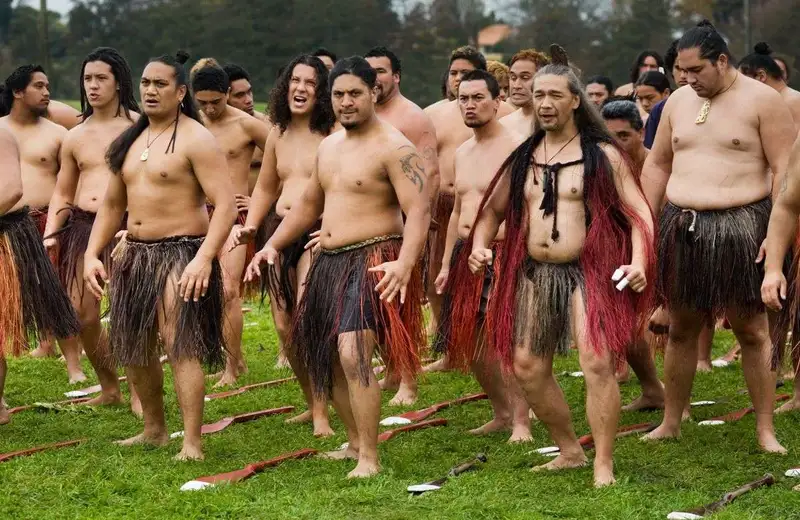
Maori cultural performances—haka, poi, waiata, and other traditional arts—are ubiquitous in New Zealand tourism. These range from brief hotel lobby shows to elaborate multi-hour experiences at dedicated cultural centers. The ethical questions around these performances are complex, contested, and worth understanding before you book.
Traditional Maori performing arts were never entertainment in the contemporary sense. Haka were war challenges, intimidation displays, or ceremonial welcomes. Waiata conveyed history, emotions, and spiritual knowledge. Poi developed skills and rhythm for other activities. These practices had functional purposes within Maori society.
The tourism commodification of these arts is relatively recent and produces strong reactions within Maori communities. Some view it as cultural prostitution—sacred practices reduced to spectacle for paying audiences. Others see it as economic opportunity and cultural transmission that employs Maori artists and educates visitors. Many hold nuanced positions between these poles.
As a traveler, you can't resolve this debate, but you can make informed choices:
Prioritize Maori-owned and operated experiences. Companies like Tamaki Maori Village, Mitai Maori Village, or iwi-run cultural centers ensure economic benefits reach Maori communities and that cultural representation is controlled by culture-bearers themselves.
Look for context and education alongside performance. Quality experiences explain what you're witnessing, provide historical and cultural background, and create space for questions. Pure performance without context reduces culture to entertainment.
Participate when invited, but respectfully. Many shows invite audience members to learn haka or poi. This participation is generous cultural sharing—treat it seriously, give full effort, and don't mock or perform ironically.
Understand the haka's significance. The Ka Mate haka (made famous by the All Blacks rugby team) has specific meaning—it's not generic celebration. Other haka types serve different purposes. Don't attempt haka outside appropriate contexts or as party tricks.
Photography protocol matters. Some performances prohibit photography during sacred elements. Respect these boundaries absolutely. If photography is permitted, don't use flash during performances—it's distracting and disrespectful.
Tipping culture doesn't translate. New Zealand doesn't have tipping culture, and offering money after cultural performances can be offensive, implying the performers are service workers rather than cultural ambassadors. If you want to show appreciation beyond the ticket price, write positive reviews or purchase artworks directly from performers if available.
The most valuable performances I've witnessed created genuine cultural exchange—visitors learning enough to ask intelligent questions, performers sharing personal connections to traditions, and mutual recognition occurring between cultures. This happens when both performers and audience approach the experience with sincerity rather than transaction.
Te Reo Maori: Language as Cultural Respect
Te reo Maori (the Maori language) is experiencing revitalization after decades of decline, and its presence in New Zealand has increased dramatically. You'll hear it in official announcements, see it on signage, and encounter it in everyday conversation. Your engagement with te reo directly impacts how Maori people perceive your cultural respect.
You're not expected to become fluent, but learning basic greetings and pronunciations demonstrates respect and opens conversations. Start with these essentials:
Kia ora (kee-ah oh-rah) - Hello, thank you, good luck (multi-purpose greeting) Tena koe (teh-nah koh-eh) - Formal hello to one person Haere mai (high-reh my) - Welcome Ae/Kao (eye/kah-oh) - Yes/No Whanau (fah-no) - Family/extended family group Aroha (ah-roh-hah) - Love, compassion
Pronunciation follows consistent rules. Learn these basics:
Wh sounds like "f" (wharenui = fah-reh-noo-ee) Ng sounds like "ng" in "singer" (nga = ngah) Vowels are pure: A (ah), E (eh), I (ee), O (oh), U (oo) Macrons (a, e, i, o, u) lengthen the vowel sound
The most common traveler mistake: pronouncing Maori place names with English phonetics. "Rotorua" isn't "roto-roo-ah" but "roh-toh-roo-ah" (roll the R). "Whakatane" isn't "wacka-tane" but "fah-kah-tah-neh." Making the effort to pronounce correctly shows respect and helps you be understood.
When you encounter te reo you don't understand, you have several respectful options: ask for translation politely, look it up later, or accept that some cultural knowledge isn't immediately accessible to outsiders. Don't make jokes about pronunciation difficulty or suggest people should "just speak English"—this reveals colonial attitudes that damage cross-cultural relationships.
Pay attention to bilingual signage and notices. Often the te reo version contains nuances or cultural concepts not fully captured in English translation. This parallel language presence isn't decorative—it's part of nation-building and cultural reclamation with deep political significance.
Commercial Use of Maori Culture: Navigating the Souvenir Market
New Zealand's souvenir industry is saturated with Maori designs, symbols, and imagery—some authentic, some exploitative, and much existing in ethically ambiguous spaces between. Your purchasing choices have cultural and economic implications worth considering.
Traditional Maori art forms include whakairo (carving), raranga (weaving), ta moko (tattooing), and kowhaiwhai (painted patterns). These aren't just decorative traditions—they encode genealogy, history, spiritual knowledge, and social relationships. Designs aren't random aesthetic choices but meaningful cultural texts.
The souvenir market includes:
Authentic taonga (treasures) created by Maori artists using traditional methods and designs. These command appropriate prices reflecting the skill, cultural knowledge, and time invested. Look for artist signatures, gallery representation, and clear iwi affiliations.
Maori-made commercial items using traditional motifs but adapted for tourism markets. These balance cultural authenticity with affordability. Artists still receive fair compensation, and cultural protocols are generally observed.
Licensed reproductions where Maori artists/designers authorize mass production of their work, receiving royalties. This democratizes access while maintaining some economic benefit to culture-bearers.
Unlicensed appropriation where non-Maori manufacturers use Maori designs without permission, consultation, or compensation. This is cultural theft, plain and simple.
How to distinguish between these categories:
Ask about the artist. Reputable shops can tell you who created pieces, their iwi affiliation, and their artistic background. If staff can't answer these questions, that's a warning sign.
Examine quality. Authentic pieces show sophisticated understanding of design principles, while appropriative knock-offs often get details wrong—incorrect patterns, meaningless combinations of symbols, or clumsy execution.
Check certifications. Organizations like Toi Iho (Maori Made Mark) certify authentic Maori art and design. Not all authentic work carries these marks, but their presence is reliable confirmation.
Research specific symbols. Certain symbols (like ta moko facial tattoo designs) are deeply personal and shouldn't be mass-produced. Wearing someone's family genealogy as jewelry is problematic.
Consider practical items over sacred imagery. Maori-designed tea towels, tote bags, or tableware often provide cultural education without commodifying sacred symbols. They're functional items that happen to carry Maori design rather than sacred objects reduced to souvenirs.
The controversial category: pounamu (greenstone/jade). This taonga stone is sacred to Ngai Tahu and some other iwi. Traditionally, pounamu couldn't be purchased for yourself—it had to be gifted. Tourism has complicated this protocol. Many Maori artists now sell pounamu pieces to visitors, arguing that the purchase itself constitutes a gift from the artist to the buyer.
If you buy pounamu, purchase from Maori artists or galleries with clear Ngai Tahu connections, understand the traditional protocols around wearing it (some believe pounamu should touch skin, many believe each piece carries mauri/life force), and treat it as significant cultural object rather than mere jewelry.
Conclusion: Cultural Respect as Ongoing Practice
Understanding Maori traditions isn't about memorizing protocols to avoid offense—it's about recognizing that you're traveling through a living culture engaged in ongoing negotiation between tradition and modernity, between maintaining cultural integrity and engaging with global tourism, between welcoming visitors and protecting sacred knowledge.
The Maori traditions outlined here represent frameworks, not rigid rules. Individual Maori people hold diverse views on how traditions should be practiced, adapted, or preserved. Urban Maori might engage differently than rural iwi. Younger generations navigate these traditions differently than kaumatua. No single guide can capture this diversity.
Your responsibility is developing cultural humility—approaching Maori culture with respect, genuine interest, and acknowledgment that as an outsider, there are limits to your understanding. Ask questions when appropriate. Listen more than you speak. Accept correction gracefully. Recognize that some knowledge isn't accessible to tourists, and that's not only acceptable but necessary for cultural survival.
The travelers who develop meaningful connections with Maori culture are those who approach it as relationship rather than commodity, who invest time in understanding context rather than collecting experiences, and who recognize that respect is demonstrated through behavior, not just stated intentions.
When you encounter Maori traditions during your New Zealand travels, pause before engaging. Consider what's being offered, what's being asked of you, and how your behavior honors or diminishes the cultural significance at play. This momentary reflection—this practice of mindful cultural engagement—transforms superficial tourism into genuine cross-cultural encounter.
New Zealand's future as a bicultural nation depends partly on how visitors engage with Maori culture. Your respectful participation contributes to environments where cultural sharing feels rewarding rather than extractive, where Maori traditions can thrive in contemporary contexts, and where tourism becomes vehicle for cultural understanding rather than erosion.
Carry these principles beyond tourist contexts. Recognize Maori culture in everyday New Zealand life—in place names, in political debates, in the morning greetings exchanged between strangers. This culture isn't confined to cultural performances and marae visits. It's woven through the entire country, waiting for travelers attentive enough to notice and respectful enough to honor what they find.